Skip to content
With the expansion of global short-video ecosystems, cross-border content scraping—specifically downloading original videos from overseas platforms like TikTok, removing watermarks, and re-uploading them to domestic Chinese platforms such as Douyin for commercial monetization—has emerged as a systemic legal challenge for global content creators and multi-channel networks (MCNs).
This dual-language compliance guide analyzes civil and criminal jurisprudence within Chinese courts to map statutory violations, digital evidence preservation protocols, platform takedown mechanisms, and litigation strategies tailored for foreign right-holders.
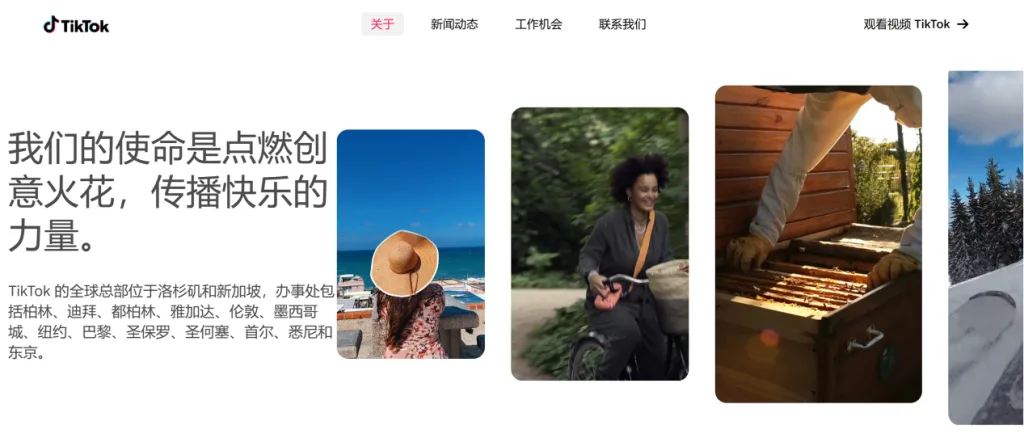
(Official homepage of TikTok platform displaying global user-generated content creation. Source: tiktok.com)
I. Key Judicial Precedents: Chinese Court Enforcement Against Cross-Border Content Theft
1. Civil Jurisprudence: Zhang v. Liang (Beijing Internet Court)
- Factual Background: The plaintiff, a TikTok creator with over 1 million followers, published 100 original product recommendation videos. The defendant downloaded all 100 videos, removed original attribution watermarks, and posted them on Douyin, gaining 350,000 followers and generating commercial sales revenue.
- Legal Holding: Under the Berne Convention for the Protection of Literary and Artistic Works, lawful works first published in member states enjoy national treatment under China’s Copyright Law. The court held that deleting creator credits and unauthorized distribution infringed upon both the plaintiff’s Right of Authorship and Right of Communication through Information Networks. The defendant was ordered to pay RMB 50,000 in economic damages and RMB 22,500 in reasonable legal/notarization fees.
2. Criminal Jurisprudence: State v. Zhu & Wang (Nanhu District Court, Zhejiang)
- Factual Background: The defendants systematically scraped, edited, and distributed copyrighted short video resources across digital networks to evade automated platform audits, generating over RMB 390,000 in illegal gains.
- Legal Holding: Applying Article 217 of the Criminal Law of the People's Republic of China (Copyright Infringement Crime), the court sentenced both defendants to two years' imprisonment (suspended with two years and six months' probation) and imposed total criminal fines of RMB 380,000.
(Overview diagram illustrating judicial enforcement procedures and copyright rules in China. Source: Baidu Baike)
II. Statutory Breakdown of Infringing Acts Under Chinese Law
- Right of Communication through Information Networks (Information Network Transmission Right): Uploading protected works to open online platforms without consent, enabling public access at selected times and locations, violates Article 10 of China's Copyright Law.
- Right of Authorship (Attribution Right): Stripping original watermarks, creator logos, or closing credits directly violates moral rights of attribution.
- Right of Adaptation (Derivative Works): Unauthorized re-editing, dubbing, or slicing video content infringes upon derivative transformation rights.
- Unfair Competition (Anti-Unfair Competition Law): Where scraping constitutes a core commercial model that free-rides on established brand equity to siphon traffic, courts apply Article 2 of the Anti-Unfair Competition Law.
- Criminal Liability: Profit-driven copyright infringement with illegal revenue exceeding RMB 50,000 or illegal gains exceeding RMB 30,000 triggers criminal prosecution under Article 217 of the Criminal Law.

(Official portal interface of Douyin platform for content management and creator services. Source: douyin.com)
III. Four-Step Enforcement Protocol: From Evidence Preservation to Litigation
Step 1: Secure Digital Evidence (Critical Baseline)
- Capture complete screen recordings of the infringing account, videos, fan count, likes, comments, and direct e-commerce conversion links.
- Utilize verified electronic evidence platforms (e.g., Quanli Weishi, Cunnar) for blockchain timestamping, or engage a Chinese notary public for formal web page preservation (Highest Evidentiary Weight).
Step 2: Platform Administrative Takedown
- Submit IP takedown complaints through Douyin’s Intellectual Property Protection Portal. Requires proof of prior original publication, raw creation logs, infringing URLs, and comparative claim charts.
Step 3: Formal Legal Demand Letter
- Retain Chinese legal counsel to issue a formal Cease-and-Desist (C&D) letter to the infringing individual or operating entity, setting firm deadlines for video deletion, public apology, and financial settlement.
Step 4: Litigation via Specialized Internet Courts
- If settlement negotiations stall, file a lawsuit in the competent People's Court. The three specialized Internet Courts (Beijing, Hangzhou, Guangzhou) exercise jurisdiction over internet-related disputes, supporting fully digitalized cross-border filing, electronic service of process, and remote trial proceedings.
IV. Practical Requirements for Foreign Creators & MCNs
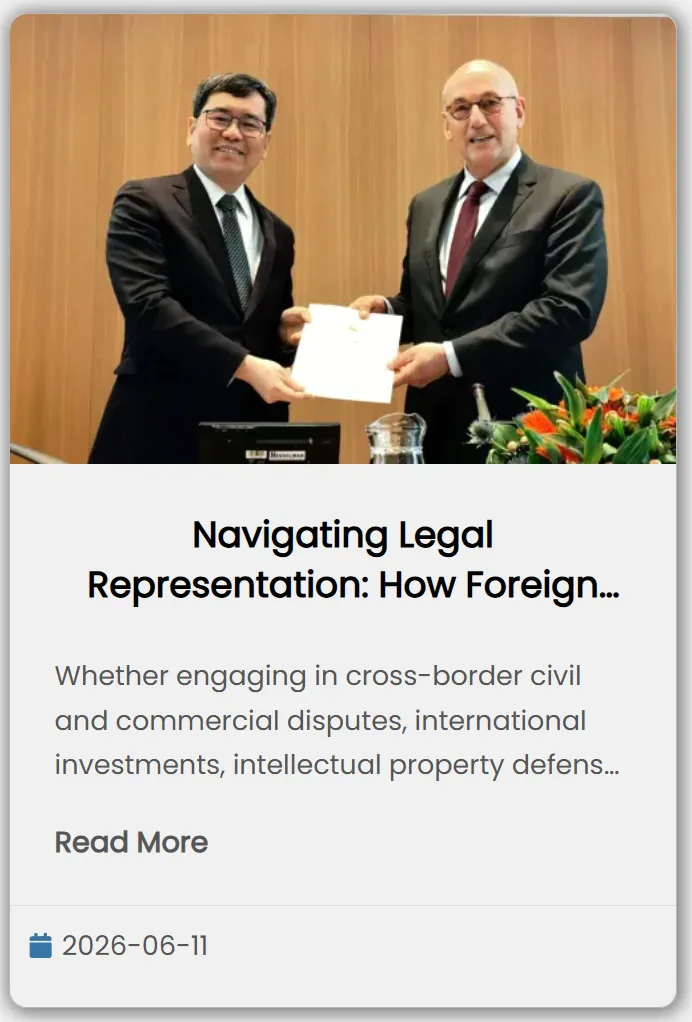
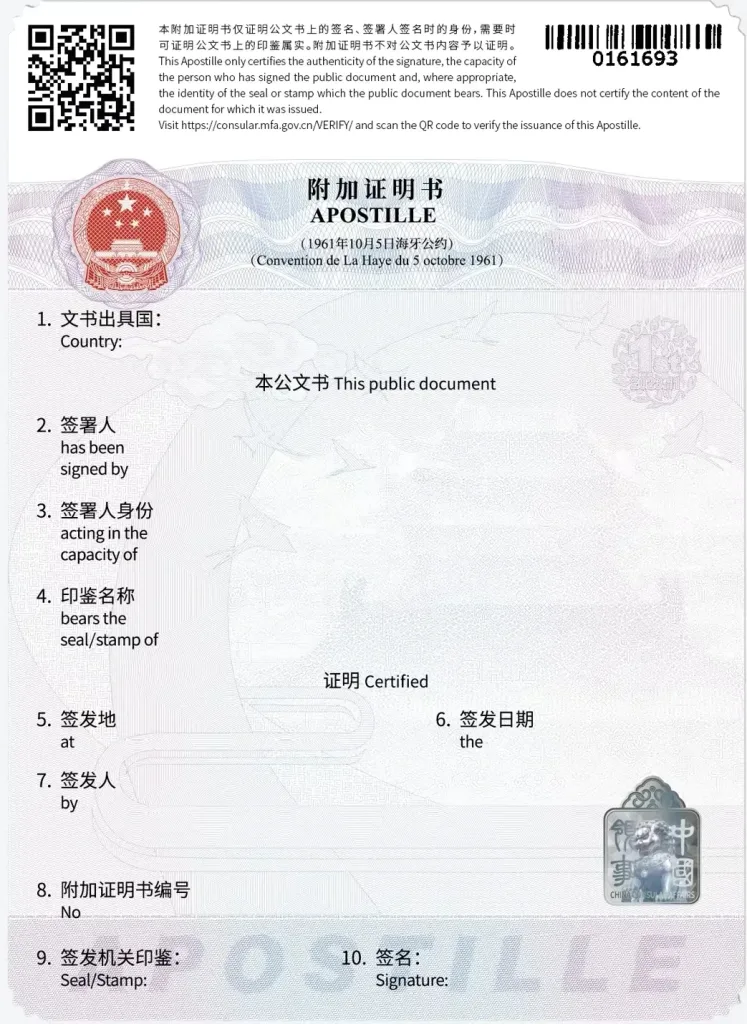
- Cross-Border Power of Attorney (POA) & Authentication: Procedural documents executed overseas (such as POAs and corporate registration certificates) must fulfill cross-border verification requirements. For signatory nations to the Hague Apostille Convention, documents require an Apostille Certificate. For non-signatory jurisdictions, consular legalization via the Chinese Embassy remains mandatory.REFER:https://www.neoarklawyers.com/navigating-legal-representation-how-foreign-parties-appoint-chinese-lawyers-in-the-apostille-convention-era/
- Statute of Limitations: The statutory limitation period for copyright infringement in China is three years, running from the date the right-holder knew or reasonably should have known of the infringing activity.
- Enforcement Mechanisms: Upon issuance of a binding court judgment, non-compliant defendants face judicial enforcement measures, including bank account freezing, asset seizure, and inclusion on credit blacklists.
Conclusion
China’s modern judicial framework offers robust, equal protection to international creators under the Berne Convention. Overseas creators and legal teams should act promptly upon discovering unauthorized reposting by securing admissible electronic evidence and executing systematic administrative or judicial remedies to safeguard their intellectual property.
About the Author

Yu Yuting
Partner | NEO-ARK Law Firm
Lawyer Yu focuses on foreign-related litigation, cross-border disputes, commercial matters, and legal services for overseas individuals and businesses in China.
Email: [email protected]
About NEO-ARK Law Firm
NEO-ARK Law Firm provides legal services in foreign-related litigation, commercial disputes, family law, and cross-border legal matters, assisting both international and domestic clients throughout China.