...

News

News

Inclusion ▪ Respect ▪ Professionalism ▪ Excellence

The Intermediate People's Court of Suzhou, Jiangsu Province, issued a first-instance civil judgment in the trademark infringement and unfair competition lawsuit brought by Louis Vuitton Malletier (LV) against the Chinese tea beverage brand "Molly Tea" (茉莉奶白) and its local franchisee.

(Image Source: The Beijing News)

The court ordered Molly Tea to pay LV RMB 10 million in economic losses and RMB 300,000 in reasonable legal expenses, totaling RMB 10.3 million. This marks one of the highest damages awards in recent intellectual property disputes within the Asian beverage and consumer goods sector. Although Molly Tea has announced its intention to appeal, the case provides vital strategic guidance regarding international trademark cross-class protection, commercial copyright limits, and corporate Freedom to Operate (FTO) compliance.

I. Case Background & Litigation Timeline

  • Core Dispute: In 2021, Molly Tea built its initial identity around traditional Chinese aesthetic elements. During a subsequent visual rebrand, the company introduced a main logo featuring a four-petaled geometric flower and widely deployed a repeating quadrupled pattern on cups, paper bags, and store fascias. The pattern led consumers on social media to highlight striking visual similarities with LV’s famous Monogram design.
  • Prior Application History: Public records reveal that starting in 2022, Molly Tea submitted multiple applications to register four-petal geometric device marks with the China National Intellectual Property Administration (CNIPA). These applications were repeatedly rejected or placed under refusal review due to conflicts with prior registered marks held by LV. Despite these administrative refusals, the brand fully deployed the disputed pattern across its commercial operations.
  • Court Jurisdiction Strategy: LV initiated the suit in Suzhou by naming a local Suzhou franchisee alongside Molly Tea's Shenzhen headquarters as co-defendants. Under Article 29 of the Civil Procedure Law of the PRC, jurisdiction lies with the court at the place of the tortious act or the defendant's domicile. This strategy successfully anchored jurisdiction with the Suzhou Intermediate People's Court, home to the specialized Suzhou IP Court.
  • Current Status: Filed in May 2025, the case resulted in a first-instance ruling on June 29, 2026. Molly Tea has updated its digital applet icons and announced a formal appeal.

(Image Source: Molly Tea Mini-Program)

II. Judicial Reasoning & Legal Analysis

1. Why Copyright Registration Fails as a Defense

Molly Tea argued that it held valid copyright registration certificates for the artwork, claiming independent creation. The court rejected this defense:

  • Functional Distinction: Copyright protects original artistic expression, whereas trademark law governs commercial identifiers that indicate product origin.
  • Commercial Conversion: Once the geometric pattern was affixed to packaging, store signage, and marketing collaterals, its function converted into trademark-style use (商标性使用).
  • Prior Right Priority: Under Article 32 of the PRC Trademark Law, subsequent copyright registrations cannot infringe upon an entity's prior registered trademark rights.

(Image Source: China Trademark Office)

2. Secondary Meaning of Geometric Patterns

While basic four-petal designs exist in the historical public domain, LV's extensive global commercial use and marketing have established significant acquired distinctiveness (后天显著性). Intensive commercial use of highly similar visual symbols by a competitor in consumer-facing markets constitutes bad-faith goodwill freeloading (攀附商誉) and likelihood of confusion.

3. Cross-Class Protection for Well-Known Marks

LV operates primarily under Class 18 (leather goods) and Class 25 (apparel), while Molly Tea operates under Class 30 (beverages) and Class 43 (catering services).

  • Under Article 13(3) of the PRC Trademark Law, protection for registered well-known trademarks (驰名商标) extends across non-similar product and service categories.
  • The court found that using an almost identical pattern on beverage products misleads the public into inferring an authorized commercial relationship or collaboration, diluting the distinctive character and goodwill of LV's well-known mark.

(Image Source: Huibiao.com)

4. Basis for the RMB 10.3 Million Award

The RMB 10.3 million award exceeds the statutory compensation ceiling of RMB 5 million outlined in Article 63(3) of the PRC Trademark Law. The court applied discretionary damages (裁量性赔偿) based on:

  1. Scale of Infringement: Molly Tea operates a vast nationwide store network where the infringing visual assets were deployed systematically.
  2. Subjective Bad Faith: Proceeding with commercial deployment after repeated trademark application rejections by the CNIPA demonstrated intentional infringement (明知故犯).

III. Corporate IP Compliance Roadmap

  • Conduct Freedom to Operate (FTO) Audits: Conduct comprehensive trademark clearance and cross-class risk evaluations prior to finalizing brand rebrand designs or expanding into international franchise markets.
  • Avoid Commercializing Unapproved Trademarks: Rolling out visual identities that have been formally rejected by IP authorities exposes companies to high claims of intentional bad faith, elevating potential damages into punitive or discretionary tiers.
  • Differentiate Copyright from Trademark Use: A copyright registration certificate does not grant an automatic legal shield to use an artistic graphic as a commercial identifier if it conflicts with prior registered trademarks.

(Image Source: Tianyancha)

About the Author

Yu Yuting
Partner | NEO-ARK Law Firm

Lawyer Yu focuses on foreign-related litigation, cross-border disputes, commercial matters, and legal services for overseas individuals and businesses in China.

Email: [email protected]

About NEO-ARK Law Firm

NEO-ARK Law Firm provides legal services in foreign-related litigation, commercial disputes, family law, and cross-border legal matters, assisting both international and domestic clients throughout China.


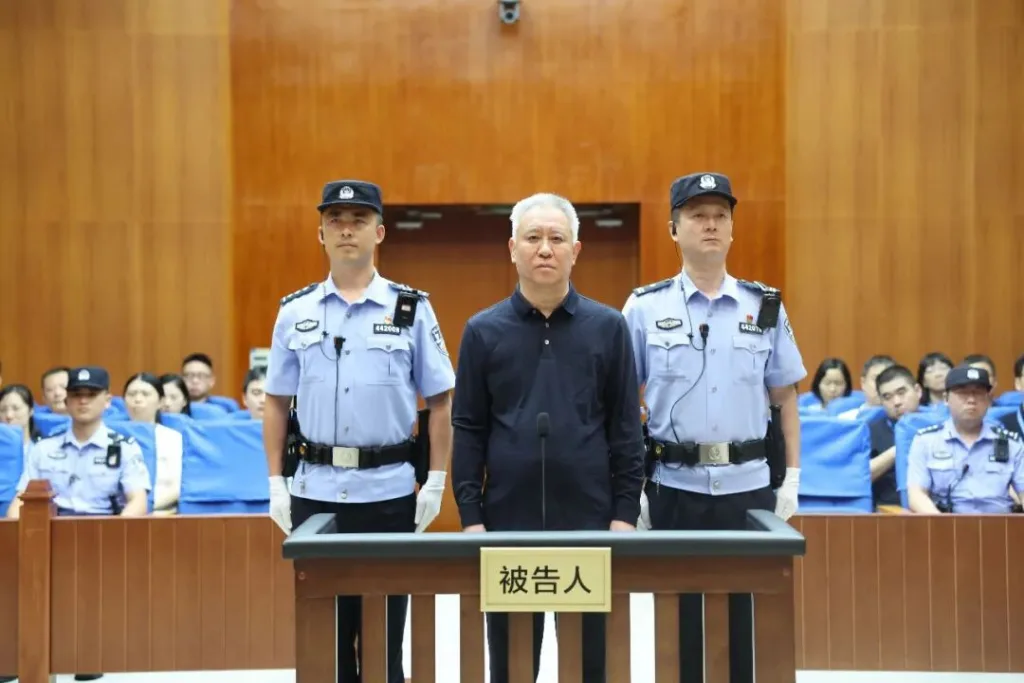
In recent years, defense teams at Neo-Ark law firms have frequently been consulted by family members of individuals detained upon returning from overseas "scam compounds" (诈骗园区). Families are often baffled by detention notices: If the suspect made no money, generated zero verified fraud sales, or was trafficked or coerced, why do public security authorities charge them with fraud under "other serious circumstances"?

This article examines the tension between traditional property crime requirements (where monetary loss dictates guilt) and new statutory presumptions under China's specialized judicial interpretations. It analyzes key precedents, statutory frameworks, and practical defense pathways centered on timeline calculations and legitimate cause exceptions.

(source:baidu)

I. The Conflict Between Traditional Guilt Principles and Judicial Presumptions

Under Article 266 of the Criminal Law of the People's Republic of China, traditional fraud requires establishing unlawful possession intent, specific victims, and quantifiable monetary loss. In contrast, cross-border telecom fraud operates under specialized judicial guidelines:

1. Key Judicial Precedents
  • Case 1: State v. Zheng (Tongzhou District Court, Nantong, Jiangsu) The defendant operated at a Cambodian scam hub between July and September 2019, earning RMB 25,000. While individual victim losses could not be individually verified, the court confirmed his active presence exceeded 30 days. Applying Article 3 of the Opinions on Several Issues Concerning the Application of Law in Handling Telecom and Online Fraud Criminal Cases (II) ("Opinions II"), the court ruled this constituted "other serious circumstances," sentencing him to three years' imprisonment (suspended for four years) and a fine of RMB 30,000.
  • Case 2: State v. Luo, Li, & Liu (Qianshan District Court, Anhui) The defendants crossed the border into Wa State, Myanmar, to join a "Pig Butchering" (杀猪盘) fraud syndicate. Although individual fraud amounts were untraceable, their stays at the compound spanned two to four months (all exceeding 30 days). The court invoked the 30-day presumption, convicting them of fraud alongside illegal border crossing (偷越国(边)境罪).

(source:baidu)

II. The Normative Logic of the "30-Day Rule"

Under Article 3 of Opinions II and Article 7 of the Opinions on Handling Cross-Border Telecom Network Fraud, individuals joining an overseas fraud group targeting Chinese domestic residents are held criminally liable for fraud under "other serious circumstances" if:

  1. Specific fraud amounts cannot be established due to cross-border evidentiary barriers, AND
  2. The suspect stayed at an overseas scam hub for 30 days or more cumulative within a single year (or crossed the border multiple times).
Why Was This Presumption Established?

Scam syndicates systematically erase server logs, change communication channels, use obfuscated ledgers, and operate outside Chinese jurisdiction. If traditional monetary proof were strictly required, low-level operators would evade criminal liability entirely. To preserve deterrence across the entire illicit supply chain, Chinese legal policy constructs a statutory presumption connecting duration of presence to degree of participation and public harm.

III. Statutory Exceptions & Defense Pathways

While the 30-day threshold appears rigid, Article 7 and Article 8 of the Cross-Border Fraud Opinions establish explicit defense avenues:

1. Proof of Legitimate Activity (正当活动)

The statutory presumption is defeated if the defense provides verifiable evidence that the individual went abroad for legitimate employment (e.g., working strictly as a cook or cleaner without participating in core fraud operations) or did not actually join the fraud syndicate.

2. Strict Calculation of the 30-Day Timeline

Under Article 8, the 30-day clock only begins when the suspect officially joins the scam hub. Defense counsel must audit the timeline to deduct:

  • Reasonable transit time from the border to the destination.
  • Periods of forced confinement or transit prior to entering the compound.
  • Time spent detained or waiting for repatriation after rescue by local authorities.
3. Mitigating Circumstances for Deceived or Coerced Individuals

Under Chinese criminal justice policy (宽严相济), individuals who were lured, tricked, or coerced into participating—and who fled or were rescued before executing active fraud schemes—may qualify for non-prosecution (不起诉) or substantial sentence mitigation.

(153 Cross-Border Sextortion Suspects Repatriated from Indonesia to China. source:baidu)

IV. Actionable Recommendations for Families & Defense Teams

  1. Reconstruct the Objective Timeline: Gather entry/exit logs, flight bookings, transit receipts, location tags, and chat records to establish exact dates of entry, transit, and actual arrival at the compound.
  2. Document Forced Confinement & Rescue: Secure witness testimony, police release documents, or family communication records demonstrating coercion, ransom requests, or human trafficking context.
  3. Engage Specialized Criminal Defense Counsel Early: Counsel should intervene during the initial police investigation (侦查阶段) to file formal legal opinions (法律意见书) detailing statutory exclusions and demanding line-item deductions from the 30-day timeline.

Conclusion

The 30-day rule provides Chinese law enforcement with an effective tool against cross-border fraud, but it is not an absolute rule of strict liability. By methodically proving legitimate intent, reconstructing transit timelines, and establishing coercion or lack of active participation, defense teams can prevent clients from being unjustifiably swept up in statutory presumptions.

About the Author

Yu Yuting
Partner | NEO-ARK Law Firm

Lawyer Yu focuses on foreign-related litigation, cross-border disputes, commercial matters, and legal services for overseas individuals and businesses in China.

Email: [email protected]

About NEO-ARK Law Firm

NEO-ARK Law Firm provides legal services in foreign-related litigation, commercial disputes, family law, and cross-border legal matters, assisting both international and domestic clients throughout China.
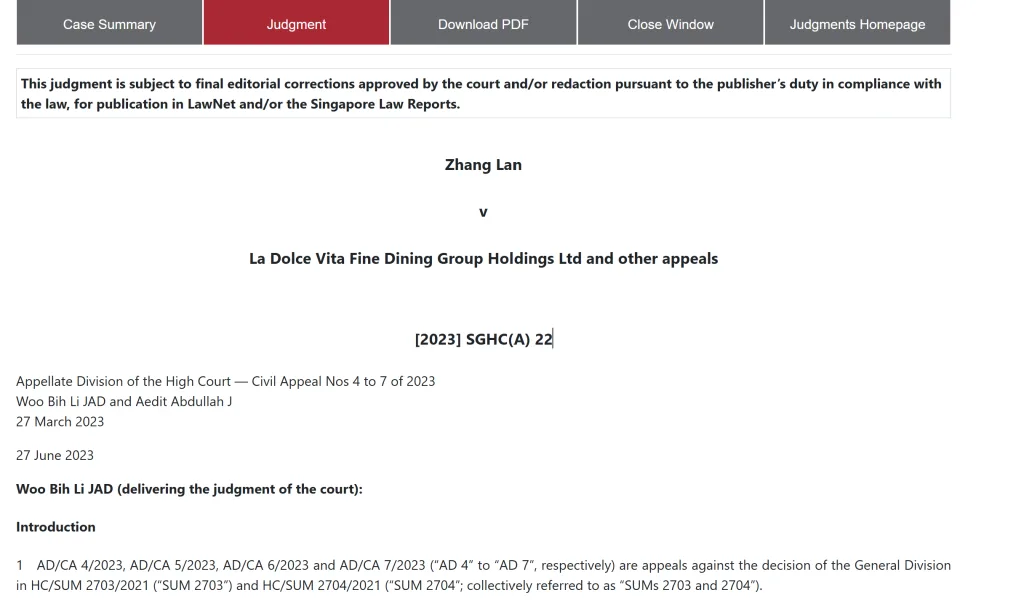
With the expansion of global short-video ecosystems, cross-border content scraping—specifically downloading original videos from overseas platforms like TikTok, removing watermarks, and re-uploading them to domestic Chinese platforms such as Douyin for commercial monetization—has emerged as a systemic legal challenge for global content creators and multi-channel networks (MCNs).

This dual-language compliance guide analyzes civil and criminal jurisprudence within Chinese courts to map statutory violations, digital evidence preservation protocols, platform takedown mechanisms, and litigation strategies tailored for foreign right-holders.

(Official homepage of TikTok platform displaying global user-generated content creation. Source: tiktok.com)

I. Key Judicial Precedents: Chinese Court Enforcement Against Cross-Border Content Theft

1. Civil Jurisprudence: Zhang v. Liang (Beijing Internet Court)
  • Factual Background: The plaintiff, a TikTok creator with over 1 million followers, published 100 original product recommendation videos. The defendant downloaded all 100 videos, removed original attribution watermarks, and posted them on Douyin, gaining 350,000 followers and generating commercial sales revenue.
  • Legal Holding: Under the Berne Convention for the Protection of Literary and Artistic Works, lawful works first published in member states enjoy national treatment under China’s Copyright Law. The court held that deleting creator credits and unauthorized distribution infringed upon both the plaintiff’s Right of Authorship and Right of Communication through Information Networks. The defendant was ordered to pay RMB 50,000 in economic damages and RMB 22,500 in reasonable legal/notarization fees.
2. Criminal Jurisprudence: State v. Zhu & Wang (Nanhu District Court, Zhejiang)
  • Factual Background: The defendants systematically scraped, edited, and distributed copyrighted short video resources across digital networks to evade automated platform audits, generating over RMB 390,000 in illegal gains.
  • Legal Holding: Applying Article 217 of the Criminal Law of the People's Republic of China (Copyright Infringement Crime), the court sentenced both defendants to two years' imprisonment (suspended with two years and six months' probation) and imposed total criminal fines of RMB 380,000.

(Overview diagram illustrating judicial enforcement procedures and copyright rules in China. Source: Baidu Baike)

II. Statutory Breakdown of Infringing Acts Under Chinese Law

  1. Right of Communication through Information Networks (Information Network Transmission Right): Uploading protected works to open online platforms without consent, enabling public access at selected times and locations, violates Article 10 of China's Copyright Law.
  2. Right of Authorship (Attribution Right): Stripping original watermarks, creator logos, or closing credits directly violates moral rights of attribution.
  3. Right of Adaptation (Derivative Works): Unauthorized re-editing, dubbing, or slicing video content infringes upon derivative transformation rights.
  4. Unfair Competition (Anti-Unfair Competition Law): Where scraping constitutes a core commercial model that free-rides on established brand equity to siphon traffic, courts apply Article 2 of the Anti-Unfair Competition Law.
  5. Criminal Liability: Profit-driven copyright infringement with illegal revenue exceeding RMB 50,000 or illegal gains exceeding RMB 30,000 triggers criminal prosecution under Article 217 of the Criminal Law.

(Official portal interface of Douyin platform for content management and creator services. Source: douyin.com)

III. Four-Step Enforcement Protocol: From Evidence Preservation to Litigation

Step 1: Secure Digital Evidence (Critical Baseline)
  • Capture complete screen recordings of the infringing account, videos, fan count, likes, comments, and direct e-commerce conversion links.
  • Utilize verified electronic evidence platforms (e.g., Quanli Weishi, Cunnar) for blockchain timestamping, or engage a Chinese notary public for formal web page preservation (Highest Evidentiary Weight).
Step 2: Platform Administrative Takedown
  • Submit IP takedown complaints through Douyin’s Intellectual Property Protection Portal. Requires proof of prior original publication, raw creation logs, infringing URLs, and comparative claim charts.
Step 3: Formal Legal Demand Letter
  • Retain Chinese legal counsel to issue a formal Cease-and-Desist (C&D) letter to the infringing individual or operating entity, setting firm deadlines for video deletion, public apology, and financial settlement.
Step 4: Litigation via Specialized Internet Courts
  • If settlement negotiations stall, file a lawsuit in the competent People's Court. The three specialized Internet Courts (Beijing, Hangzhou, Guangzhou) exercise jurisdiction over internet-related disputes, supporting fully digitalized cross-border filing, electronic service of process, and remote trial proceedings.

IV. Practical Requirements for Foreign Creators & MCNs

  • Cross-Border Power of Attorney (POA) & Authentication: Procedural documents executed overseas (such as POAs and corporate registration certificates) must fulfill cross-border verification requirements. For signatory nations to the Hague Apostille Convention, documents require an Apostille Certificate. For non-signatory jurisdictions, consular legalization via the Chinese Embassy remains mandatory.REFER:https://www.neoarklawyers.com/navigating-legal-representation-how-foreign-parties-appoint-chinese-lawyers-in-the-apostille-convention-era/
  • Statute of Limitations: The statutory limitation period for copyright infringement in China is three years, running from the date the right-holder knew or reasonably should have known of the infringing activity.
  • Enforcement Mechanisms: Upon issuance of a binding court judgment, non-compliant defendants face judicial enforcement measures, including bank account freezing, asset seizure, and inclusion on credit blacklists.

Conclusion

China’s modern judicial framework offers robust, equal protection to international creators under the Berne Convention. Overseas creators and legal teams should act promptly upon discovering unauthorized reposting by securing admissible electronic evidence and executing systematic administrative or judicial remedies to safeguard their intellectual property.

About the Author

Yu Yuting
Partner | NEO-ARK Law Firm

Lawyer Yu focuses on foreign-related litigation, cross-border disputes, commercial matters, and legal services for overseas individuals and businesses in China.

Email: [email protected]

About NEO-ARK Law Firm

NEO-ARK Law Firm provides legal services in foreign-related litigation, commercial disputes, family law, and cross-border legal matters, assisting both international and domestic clients throughout China.

Overview

A cross-border divorce dispute arose between a married couple with family and property connections between Mainland China and Hong Kong.

The parties had been married for many years and had two children. Their daughter was born in Hong Kong and required ongoing care and additional medical-related expenses.

After the parties separated, the client initiated divorce proceedings before the Haizhu District People's Court in Guangzhou, seeking divorce, custody of the daughter, child support, and division of the couple's marital property.

Representing the client, Yu Yuting, Attorney at NEO-ARK Law Firm, helped address the interconnected issues of divorce, child custody, child support, and cross-border marital property.

The matter was ultimately resolved through court mediation, with the parties reaching an agreement covering the divorce, custody arrangements, child support, division of multiple properties, and litigation costs.

Case Snapshot

ItemDetails
Practice AreaCross-Border Family Law
Case TypeDivorce, Child Custody & Marital Property
Cross-Border ElementMainland China – Hong Kong
ClientSpouse Seeking Divorce
Core IssuesDivorce, Child Custody, Support & Property Division
PropertyResidential Properties and Parking Spaces in Guangzhou and Foshan
Key ConsiderationHong Kong-Born Child and Cross-Border Family Arrangements
ResolutionCourt-Mediated Settlement
Lead LawyerYu Yuting / Li Wanjun
Law FirmNEO-ARK Law Firm

Situation

1. Long-Term Marriage and Separation

The parties registered their marriage in 1999 and had two children.

After years of marital conflict, including serious disagreements concerning family life, the parties began living separately in 2020.


2. Hong Kong-Born Child

Their daughter was born in Hong Kong and remained a central consideration in the divorce proceedings.

The dispute required the parties to establish clear arrangements concerning:

  • Custody;
  • Child support;
  • Additional education and medical expenses;
  • Long-term care needs.

3. Cross-Border Property

The couple also owned multiple properties and parking spaces in Guangzhou and Foshan.

The parties needed a practical mechanism for dividing these assets and implementing the agreed property arrangements following divorce.


Legal Strategy

FocusObjective
Divorce and settlementResolve the marital relationship efficiently
Child custodyEstablish a clear and practical custody arrangement
Child supportAddress regular support and significant additional expenses
Special medical needsProvide for substantial medical-related expenses where necessary
Property divisionClearly allocate properties and parking spaces in Guangzhou and Foshan
Property disposalEstablish practical rules for sale, pricing and distribution of proceeds
Post-divorce liabilitiesClarify responsibility for future property-related obligations
Litigation costsEstablish a clear allocation of court-related expense

Outcome

With the assistance of the court, the parties reached a comprehensive settlement covering:

  • Divorce;
  • Custody of the Hong Kong-born daughter;
  • Child support and additional expenses;
  • Division of three properties and related parking interests in Guangzhou and Foshan;
  • Arrangements concerning the sale and distribution of property proceeds;
  • Allocation of post-divorce property-related liabilities;
  • Litigation costs.

The settlement provided a clear framework for implementing the parties' agreements and resolving the principal financial and family issues arising from the divorce.


Why This Case Matters

Cross-border divorce disputes often involve much more than the question of whether a marriage should end.

Where children have connections to Hong Kong and marital assets are located in multiple cities in Mainland China, a workable settlement must address family arrangements and financial implementation together.

This case demonstrates the importance of designing a divorce settlement that is not only legally acceptable but also practical to implement.

For cross-border families, issues such as child support, special medical expenses, property sales, and post-divorce liabilities should be addressed with sufficient clarity to minimise the risk of further disputes.


Frequently Asked Questions

Can a divorce in Mainland China involve a child born in Hong Kong?

Yes.

Depending on the circumstances, Mainland Chinese courts may handle divorce proceedings involving children born in Hong Kong. Child custody and support arrangements should be considered based on the child's circumstances and applicable law.


How are child support and additional medical expenses handled in a divorce?

Regular child support can be addressed together with responsibility for significant additional expenses. Where a child has particular medical or care needs, these expenses may require specific arrangements in the settlement.


How should multiple properties be divided in a divorce settlement?

The parties may agree on ownership, transfer, sale, or other appropriate arrangements. Where property is to be sold, clearly defining the sale process and distribution of proceeds can help make the settlement more practical and reduce future disputes.


Why is mediation useful in cross-border divorce disputes?

A negotiated settlement can allow the parties to address custody, support, property, and financial responsibilities together, rather than resolving each issue separately through prolonged litigation.


Key Takeaways

  • Cross-border divorce may involve complex child custody and property issues.
  • A child's special medical or care needs should be addressed specifically where relevant.
  • Property division should be structured around practical implementation.
  • A comprehensive settlement can reduce the risk of further post-divorce disputes.
  • Early legal advice can help families address cross-border issues before they become more difficult to resolve.

About the Author

Yu Yuting
Partner | NEO-ARK Law Firm

Lawyer Yu focuses on foreign-related litigation, cross-border disputes, commercial matters, and legal services for overseas individuals and businesses in China.

Email: [email protected]

About NEO-ARK Law Firm

NEO-ARK Law Firm provides legal services in foreign-related litigation, commercial disputes, family law, and cross-border legal matters, assisting both international and domestic clients throughout China.
Overview

A couple preparing to marry sought legal advice on how to structure and protect their respective assets located in Mainland China and Hong Kong.

Their assets included a wholly owned Hong Kong company, Mainland Chinese real estate, bank deposits, and other financial assets. Given the cross-border nature of their property and the potential legal consequences of marriage, the couple wished to establish clear rules regarding ownership, management, and liabilities before registering their marriage.

Representing the couple, Yu Yuting, Attorney at NEO-ARK Law Firm, advised on the structure of a cross-border marital property agreement designed to clarify the ownership of premarital assets, establish rules for property acquired during the marriage, and address potential liabilities arising during the marriage.

Case Snapshot

ItemDetails
Practice AreaCross-Border Family Law
Case TypeMarital Property Agreement
Cross-Border ElementMainland China – Hong Kong
ClientCouple Preparing for Marriage
Core Legal IssueCross-Border Marital Property Planning
Key AssetsHong Kong Company Shares, Mainland Property and Financial Assets
Legal FocusProperty Ownership, Debt Allocation and Applicable Law
Lead LawyerYu Yuting / Li Wanjun
Law FirmNEO-ARK Law Firm

Situation

1. Cross-Border Assets Before Marriage

The couple held assets in both Mainland China and Hong Kong, including:

  • Shares in a Hong Kong company;
  • Real estate in Mainland China;
  • Bank deposits and financial assets in different jurisdictions.

The parties wanted to clearly distinguish their respective premarital property from assets that might be acquired jointly after marriage.


2. Need for Clear Property Rules

Without a clear agreement, questions could arise regarding:

  • Ownership of premarital assets;
  • Appreciation and other proceeds derived from those assets;
  • Ownership of property jointly acquired during the marriage;
  • Responsibility for marital debts;
  • Management of cross-border assets.

3. Cross-Border Legal Considerations

Because the parties' assets were located in different jurisdictions, the agreement also needed to take into account the potential application of different legal systems and the legal characteristics of different types of assets.


Legal Strategy

The legal work focused on establishing a clear and practical framework for the couple's financial relationship.

Planning AreaObjective
Premarital assetsClearly identify and preserve each party's separate property
Hong Kong company sharesClarify ownership and treatment of related interests
Mainland real estateEstablish ownership and treatment of property interests
Financial assetsDistinguish individual and jointly owned assets
Marital propertyEstablish a separate-property regime with defined exceptions
Joint living expensesCreate a dedicated arrangement for shared household expenses
Joint investmentsEstablish ownership proportions for jointly funded assets
Marital debtsClarify responsibility for liabilities incurred during marriage
Applicable lawEstablish a clear contractual framework subject to applicable Chinese law


Outcome

NEO-ARK Law Firm completed a cross-border marital property agreement addressing the couple's assets and financial interests in Mainland China and Hong Kong.

The agreement provided a structured framework for:

  • Protecting premarital property;
  • Clarifying ownership of business interests and real estate;
  • Managing jointly funded assets;
  • Allocating household expenses;
  • Addressing marital debts;
  • Reducing uncertainty concerning cross-border property rights.

Rather than waiting for a property dispute to arise after marriage, the parties established their respective financial arrangements in advance.


Why This Case Matters

Cross-border marriages can involve significantly more complicated property issues than domestic marriages, particularly where one or both spouses own assets in different jurisdictions.

A well-structured marital property agreement can help couples clarify their financial expectations before marriage and reduce uncertainty over the ownership and management of assets.

For couples with Hong Kong and Mainland China connections, issues involving company shares, real estate, financial assets, jointly acquired property, and marital liabilities should be considered together rather than addressed separately.

The objective is not simply to divide assets, but to establish a clear legal framework before disputes arise.


Frequently Asked Questions

Can couples with assets in Mainland China and Hong Kong enter into a marital property agreement?

They may be able to establish contractual arrangements concerning their marital property, subject to the applicable laws and the nature and location of the relevant assets.

Because cross-border property arrangements may involve different legal systems, professional legal advice is important before signing an agreement.


Can a prenuptial agreement protect a company owned by one spouse?

A marital property agreement can clarify the intended ownership of business interests and related property rights. However, the legal treatment of company shares and related interests should be assessed separately under applicable company and property laws.


Why should cross-border couples address property issues before marriage?

Clarifying ownership and financial responsibilities before marriage can reduce uncertainty and help prevent disputes concerning assets, investments, and liabilities later in the relationship.


Key Takeaways

  • Cross-border couples should consider marital property issues before marriage.
  • Premarital business interests and real estate should be clearly identified.
  • Jointly acquired assets can benefit from clearly defined ownership rules.
  • Marital debt arrangements should be addressed in advance.
  • Cross-border property agreements require careful consideration of applicable law.

About the Author

Yu Yuting
Partner | NEO-ARK Law Firm

Lawyer Yu focuses on foreign-related litigation, cross-border disputes, commercial matters, and legal services for overseas individuals and businesses in China.

Email: [email protected]

About NEO-ARK Law Firm

NEO-ARK Law Firm provides legal services in foreign-related litigation, commercial disputes, family law, and cross-border legal matters, assisting both international and domestic clients throughout China.
During the knockout stage of the 2026 FIFA World Cup, a historic disciplinary decision triggered intense debate across global sports law and regulatory compliance circles. On July 1, 2026, during the Round of 32 match between the United States and Poland, American star forward Folarin Balogun received a direct red card for a serious stamping foul.

(US player Folarin Balogun receiving a direct red card following a referee review during the World Cup Round of 32 match on July 1. Source: Agence France-Presse)

Under Article 10.5 of the Regulations for the FIFA World Cup 2026, a direct red card entails an automatic match suspension for the team's subsequent fixture (the Round of 16 match against Belgium).

However, on July 5, 2026, the FIFA Disciplinary Committee announced a unprecedented verdict: imposing a one-match suspension but suspending its execution under a one-year probation period. This ruling allowed Balogun to take the pitch against Belgium, sparking accusations of host-nation bias and procedural overreach.

This article dissects the statutory logic, procedural mechanics, and international dispute resolution principles underlying FIFA's controversial exercise of administrative discretion.

(Official press release published by the Chairman of the FIFA Disciplinary Committee addressing the legal basis of the decision on July 6. Source: FIFA)

I. The Two-Step Statutory Logic of FIFA's Disciplinary Framework

The FIFA Disciplinary Committee navigated a precise two-step legal methodology to uphold judicial authority while granting procedural relief:

Step 1: Statutory Affirmation ──> Affirm red card validity (Art. 66.4) + Impose $40,000 fine (Art. 14 & 66)
                                   ↓
Step 2: Execution Discretion   ──> Activate probation power (Art. 27) + Institute 1-year probationary period
1. Step 1: Fact-Finding and Authority Preservation

The Disciplinary Committee did not overturn the referee's pitch decision. Pursuant to Article 66.4 of the FIFA Disciplinary Code (FDC) and Article 10.5 of the World Cup Regulations, the automatic one-match suspension was officially confirmed. Additionally, a $40,000 fine was levied against the player and the US Soccer Federation under joint liability principles (Articles 14 and 66) for post-match pitch infractions, preserving referee authority.

2. Step 2: Activating Administrative Discretion Under Article 27

Under Article 27 of the FDC, the Disciplinary Committee possesses statutory authority to grant a suspension of implementation (probation) for disciplinary sanctions, except in cases involving match manipulation. FIFA did not "annul" the red card; rather, it converted the immediate suspension into a 1-year conditional probation. A repeat infraction within twelve months automatically triggers cumulative enforcement of both penalties.

                      ┌── Article 25 (FDC): Determination of Sanctions ──> Defines WHAT penalty is imposed.
Discretionary Matrix ─┤
                      └── Article 27 (FDC): Probation Mechanism       ──> Defines HOW penalty is executed.

This statutory interaction aligns with FIFA judicial precedent, as suspended bans and red-card probation mechanisms have been applied within UEFA domestic leagues and 2026 World Cup qualifying rounds.

(Full text of the official compliance statement issued by the Chairman of the FIFA Disciplinary Committee regarding Article 27 application. Source: FIFA)

II. Harmonizing Mandatory Suspensions with Discretionary Powers

A central legal question emerged: Does applying Article 27 probation to a World Cup match violate the legal canon lex specialis derogat legi generali (special law overrides general law), given that World Cup Regulation Article 10.5 mandates "automatic" suspensions?

FIFA’s official statement clarified that the two provisions operate in complementary legal dimensions rather than in conflict:

  • Substantive Sanction vs. Procedural Execution: Article 10.5 of the World Cup Regulations establishes the substantive rule (confirming that a red card results in a one-match ban). Article 27 of the FDC governs the procedural execution (determining whether the ban must be served immediately or conditionally deferred).
  • Absence of Exclusionary Language: No statutory provision within the World Cup Regulations explicitly waives or excludes the application of FDC Article 27 probation mechanisms during final tournament phases.

III. Procedural Standing Barriers: The Dismissal of Belgium's Appeal

Following the ruling, the Royal Belgian Football Association lodged an immediate appeal. The FIFA Appeal Committee dismissed the challenge on procedural grounds, ruling that Belgium lacked procedural standing (locus standi) as a non-party to the underlying disciplinary proceeding.

PartyProcedural StatusStatutory Rights Under FIFA Code
US Soccer Federation & PlayerDirect Parties to ProceedingFull right to be heard, receive formal notice, and submit defense.
Belgian Football AssociationSubsequent Opponent / Affected Third PartyClassified as Non-Direct Party; denied formal standing to appeal internal administrative discretion.

This ruling highlights a fundamental tension in international sports arbitration: balancing strict procedural boundaries (limiting standing to direct sanction targets) against the rights of third parties whose competitive interests are directly impacted by administrative rulings.

(Match referee issuing a direct red card to US forward Folarin Balogun during the Round of 32 fixture. Source: Xinhua News )

IV. Judicial Independence in Multi-Stakeholder Governance

To counter allegations of geopolitical or commercial bias favoring the host nation, FIFA anchored its defense on the structural independence of its judicial bodies.

Under the FIFA Statutes and FIFA Governance Regulations, members of the Disciplinary Committee are subject to strict neutrality standards, operating independently of the FIFA Council and commercial partners. In transnational compliance and international arbitration, structural judicial independence serves as the primary safeguard for institutional legitimacy when handling high-stakes corporate or geopolitical disputes.

Conclusion & Cross-Border Legal Insights

On July 6, Belgium defeated the United States 4–1 in the Round of 16, ending the host nation's tournament run. However, the legal precedents established by this decision extend far beyond the pitch.

For cross-border corporate governance and regulatory compliance, the Balogun precedent offers valuable strategic lessons:

Sports Litigation Parallel ──> Uncovering procedural discretion to secure probation for a key athlete.
                                         ↓
Cross-Border Compliance   ──> Utilizing precise statutory interpretations, jurisdictional defenses, and procedural 
                              remedies to insulate commercial assets during extraterritorial regulatory enforcement.

Whether defending against administrative sanctions, trade restrictions, or long-arm enforcement, mastery of procedural rules and statutory discretion remains the cornerstone of effective international risk management.

(Official FIFA statement confirming the procedural dismissal of the appeal submitted by the Royal Belgian Football Association. Source: FIFA)

About the Author

Yu Yuting
Partner | NEO-ARK Law Firm

Lawyer Yu focuses on foreign-related litigation, cross-border disputes, commercial matters, and legal services for overseas individuals and businesses in China.

Email: [email protected]

About NEO-ARK Law Firm

NEO-ARK Law Firm provides legal services in foreign-related litigation, commercial disputes, family law, and cross-border legal matters, assisting both international and domestic clients throughout China.

When individuals encounter debt or property disputes, the urgency to recover funds often leads them to seek quick solutions online. Scammers exploit this anxiety by posing as senior attorneys, promising "100% recovery rates," and collecting substantial fees before abandoning the case or disappearing altogether.

Recently, Attorney Fang Zhilin's team at Guangdong NEO-ARK Law Firm successfully assisted a victim in filing a criminal complaint against a bogus attorney. By organizing a complete chain of evidence, the team helped the client report the matter to public security authorities.

The case was officially opened as a criminal fraud investigation, and the suspect has been placed under criminal detention, with a nationwide fugitive warrant issued. Below is a detailed breakdown of the case, the common tactics used by fake attorneys, and a step-by-step verification guide for legal clients.

(source:baidu)

I. Case Study: Posing as a Law Firm Director to Defraud RMB 32,000

1. The Scam

Faced with a private lending dispute, the victim, "Zhang San," met a man online who claimed to be a senior law firm director. The suspect showcased fabricated winning precedents, verbally guaranteed a 100% recovery of the debt, and offered a low upfront retainer paired with a contingency fee model.

They signed an agreement stating that all upfront fees would be fully refunded if the debt was not recovered. Following the signing, the suspect repeatedly requested additional payments under various pretexts, including investigation fees, travel costs, and court filing expenses. In total, Zhang San transferred RMB 32,000 directly to the suspect's personal WeChat and private bank accounts without receiving official law firm invoices or visiting a physical law firm.

2. The Inaction

Over two years, Zhang San repeatedly inquired about progress. The suspect continuously offered excuses and failed to initiate any real legal proceedings, such as court filings, litigation, or formal mediation. Furthermore, the suspect falsely represented himself as Zhang San's attorney to third parties, relatives, and the debtor.

3. Criminal Investigation & Detention

Realizing he had been defrauded, Zhang San retained Attorney Fang Zhilin. Attorney Fang systematically compiled WeChat records, bank transfer receipts, written agreements, call recordings, and screenshots of false advertising to establish a complete evidentiary chain.

Attorney Fang drafted a formal criminal complaint and accompanied the client to the public security bureau. Police verification confirmed that the suspect held no legal practice qualification. Because the fraudulent collection of funds met the statutory threshold for criminal fraud under Article 266 of the Criminal Law of the People's Republic of China, the police formally opened a criminal case and placed the suspect under criminal detention.

II. Deconstructing the Four Common Modus Operandi of Fake Attorneys

                    ┌── 1. Fabricating Qualifications & Misleading Credentials
                    ├── 2. Guaranteeing 100% Win Rates & Full Fund Recovery
Modus Operandi ─────┼── 3. Contingency Retainers & Incremental Cash Requests
                    └── 4. Inaction, Subcontracting Trials, or Disappearing
  1. Fabricating Credentials: Using titles such as "Attorney," "Director," or "Senior Counsel" without holding a Law Practice Certificate (律师执业证) issued by judicial administration authorities.
  2. Guaranteeing Results: Professional codes of conduct strictly prohibit licensed attorneys from guaranteeing litigation outcomes. Fake attorneys frequently include explicit promises in informal contracts, such as "100% debt recovery" or "full refund upon failure," to disarm the client's vigilance.
  3. Low Upfront Fees & Incremental Demands: Enticing clients with contingency fee promises ("pay only when recovered"), then continuously requesting additional money for alleged administrative or court expenses. Payments are routinely routed to personal accounts or unaccredited consulting firms.
  4. Complete Inaction or Unauthorized Subcontracting: After receiving funds, scammers delay court filings or generate generic court documents using templates without attending hearings. Some secretly pay unauthorized individuals to appear in court, often leading to dismissed cases before severing contact with the client.

III. Four-Step Verification Protocol for Authentic Legal Services

Step 1: Check Practice Certificate ──> Verify on Official ACLA Registry Platform
  ↓
Step 2: Inspect Office Premises    ──> Ensure Seal Matches Registered Law Firm
  ↓
Step 3: Transfer to Escrow Account ──> Avoid Personal Accounts & Require Official Invoices
  ↓
Step 4: Formal Contract Execution  ──> Confirm Standard Mandate Agreement Formats
Step 1: Verify the Lawyer Practice Certificate (Primary Step)
  • A licensed attorney in China must hold a physical Lawyer Practice Certificate (律师执业证) issued by a provincial Department of Justice.
  • Official Online Verification: Check the credentials on the National Lawyer Practice Credit Information Disclosure Platform (全国律师执业诚信信息公示平台: https://credit.acla.org.cn by entering the attorney's name and license number to confirm their active law firm affiliation.
  • Note: Employees of legal consulting companies, general corporate legal staff, or citizen agents are not licensed practicing lawyers and are legally barred from charging litigation representation fees under a "lawyer" capacity.
Step 2: Verify the Entity & Require Official Seals
  • Exercise caution with individuals operating solely online without a fixed law firm office, or those attempting to execute representation agreements under the name of a "Legal Studio" (法务工作室) or "Consulting Firm" (咨询公司).
Step 3: Remit Funds Only to Corporate Law Firm Accounts
  • All legal fees and administrative retainers must be wired directly to the official bank account of the registered law firm. The firm will issue a formal value-added tax (VAT) invoice. Avoid transferring funds to personal WeChat/Alipay accounts or private bank cards.
Step 4: Execute Formal Representation Contracts
  • Ensure that the representation agreement uses standard law firm contract templates and bears the official red seal (公章) of the registered law firm.

IV. Action Plan If You Encounter Legal Service Fraud

  1. Preserve All Digital Evidence: Export complete WeChat chat histories, bank statements, call recordings, promotional screenshots, signed agreements, and witness statements.
  2. Report to Public Security: File a formal report at the local police station in the jurisdiction where the transaction or fraud occurred.
  3. Engage Certified Counsel for Criminal Complaints: Retain a certified criminal attorney to review the evidence chain, issue a professional legal opinion, accompany you to file a criminal complaint with law enforcement, and pursue civil asset recovery.

Conclusion

There are no shortcuts in litigation, nor are there genuine attorneys who can guarantee a 100% win rate. When facing debt, contractual, or property disputes, clients should engage established law firms, verify attorney qualifications in person, transfer funds directly to official firm accounts, and execute formal contracts to mitigate fraud risk.

About the Author

Yu Yuting
Partner | NEO-ARK Law Firm

Lawyer Yu focuses on foreign-related litigation, cross-border disputes, commercial matters, and legal services for overseas individuals and businesses in China.

Email: [email protected]

About NEO-ARK Law Firm

NEO-ARK Law Firm provides legal services in foreign-related litigation, commercial disputes, family law, and cross-border legal matters, assisting both international and domestic clients throughout China.
Following a landmark settlement stemming from the European Court of Justice (CJEU) ruling in the Lassana Diarra v. FIFA case, FIFA officially adopted the revised Regulations on the Status and Transfer of Players (2027 RSTP), set for global implementation on January 1, 2027.About Ushttps://www.pinsentmasons.com/out-law/news/fifa-announces-new-player-transfer-regulations-following-diarra-settlement#:~:text=Revamped%20football%20transfer%20rules%20announced%20by%20FIFA,ruling%2C%20they%20did%20not%20go%20far%20enough.

(Lionel Messi and Cape Verde goalkeeper Vozinha competing during the World Cup Round of 32. Source: Xinhua News Agency)

The CJEU determined that FIFA's former transfer restrictions unlawfully impeded the free movement of workers and restricted market competition under EU law. Departing from unilateral rulemaking, FIFA formulated these amendments through collective negotiation via the newly established Global Social Dialogue Platform, alongside FIFPRO, the European Club Association (ECA), and the World Leagues Association (WLA).

This landmark shift marks the evolution of global football governance from unilateral regulatory authority to structured collective bargaining.

(Cristiano Ronaldo and Luka Modrić on the pitch during the World Cup Round of 32. Source: Xinhua News Agency)

I. Scope and Universal Application

  • Regulated Entities: Applies universally to professional football players, professional clubs, national member associations, licensed football agents/intermediaries, and sports dispute resolution bodies (such as the FIFA Football Tribunal and the Court of Arbitration for Sport).
  • Geographic Jurisdiction: Universally binding across all 211 FIFA member associations worldwide.

II. Core Structural Changes: Articles 17–21 Breakdown

1. Standardization of Contract Breach Calculations (Article 17)

Historically, unilateral contract terminations without just cause exposed buying clubs to unpredictable compensation awards and joint liability, discouraging the signing of players in contract disputes. The 2027 RSTP introduces two key structural fixes:

  • Enforceability of Liquidated Damages Clauses: Validates pre-agreed contractual liquidated damages (buyout clauses). When a buying club meets the pre-agreed valuation, the releasing club cannot impose artificial procedural barriers.
  • Standardized Compensation Benchmarks: Establishes predictable compensation floors tied to the residual value of the unfulfilled employment contract, eliminating speculative parameters such as unproven expected commercial revenue. Furthermore, buying clubs face joint financial liability only if proven to have actively induced the breach.
2. Statutory 5% Transfer Fee Equity Cut for Players (Article 21)

For the first time in football history, players hold a statutory right to participate directly in the financial value generated by their transfer fee:

  • Lower-Income Players (Earning under €150,000 / year): Entitled to a non-waivable, mandatory 5% direct cut of the fixed transfer fee received by the releasing club.
  • Higher-Income Players: May partially negotiate or waive their entitlement. However, the net payment received cannot fall below the higher of:
    • (a) The player’s total fixed annual salary during their final contract year; or
    • (b) 2.5% of the total fixed transfer fee.

(Opening ceremony performance at the FIFA World Cup. Source: Xinhua News Agency)

3. 5-Year Professional Contracts for Homegrown Academy Minors (Article 18)

To balance player mobility with academy investment protection, the default 3-year cap on professional contracts for minors under 18 can now be extended up to 5 years, provided:

  • The player has been registered with the club's academy for at least 20 months or two consecutive competitive periods.
  • The contract complies with local minimum wage statutes and respects annual squad allocation limits for long-term youth deals.
4. Tripartite Rulemaking via the Global Social Dialogue Platform

Substantive regulatory modifications regarding transfer frameworks, player welfare, international match calendars, and health standards can no longer be unilaterally enacted by FIFA. Future regulatory changes require formal consensus between FIFA, player unions (FIFPRO), and employer representatives (ECA, WLA) through the Global Social Dialogue Platform.

III. Strategic Legal & Industry Impact

  • Redefining Contractual Nature: Employment agreements transition from restrictive, life-binding lock-ins to redeemable commercial employment contracts with transparent buyout valuations and exit mechanisms.
  • Prohibition of Constructive Dismissal ("Solo Training"): Explicitly classifies squad exclusions, forced reserve-team demotions, or isolated training regimes as material employer breaches. Affected players gain immediate statutory grounds to terminate their contract for just cause and claim full residual compensation.
  • Sophisticated Financial Planning: Cross-border transfer budgets must account for mandatory 5% player distributions, agent commissions, training rewards, and an annualized 8% default interest penalty on late payments, squeezing unearned transfer markups.

IV. Star Player Case Studies Under the 2027 Framework

  • Constructive Breach Protections (The Mbappé Scenario): Unilateral exclusions from pre-season tours or isolated training routines—previously legal gray areas—are now statutory employer breaches. Players can immediately cancel their contract for just cause and claim full remaining salary payments.
  • Standardized Buyout Clauses (The Haaland Model): Pre-agreed buyout clauses, historically limited to elite negotiations, become the global statutory baseline. Acquiring clubs like Real Madrid or Manchester City can secure talent cleanly by meeting clear buyout thresholds without facing prolonged contractual holds.

(From left to right: Lionel Messi, Neymar Jr., Cristiano Ronaldo, Kylian Mbappé, and Erling Haaland. Source: Xinhua News Agency)

Conclusion

The 2027 RSTP represents a fundamental structural overhaul of global football governance. By pairing substantive legal protections with a collaborative social dialogue platform, the new framework establishes a more balanced, legally compliant, and predictable cross-border transfer market.https://www.pinsentmasons.com/out-law/news/fifa-announces-new-player-transfer-regulations-following-diarra-settlement#:~:text=Revamped%20football%20transfer%20rules%20announced%20by%20FIFA,ruling%2C%20they%20did%20not%20go%20far%20enough.

Disclaimer & Copyright: This article is co-authored by lawyer Yu Yuting and Mandy Wu. The insights shared are for general compliance trends only and do not constitute formal legal advice.As a specialized cross-border legal institution, Neo-Ark Law Firm provides comprehensive global compliance and rights-protection support for expanding enterprises. For more international legal updates, please visit the Neo-Ark Law Firm Official Websites (https://www.neoarklawyers.com/news).

Overview

A cross-border commercial dispute arose between a Hong Kong resident investor and business partners in Mainland China regarding the investment and operation of a catering company.

The claimant alleged that he had provided investment funds for the establishment of a catering business but was not formally registered as a shareholder. He therefore requested termination of the agreement and repayment of his investment.

Representing the Hong Kong investor, Yu Yuting, Attorney at NEO-ARK Law Firm, argued that the relationship between the parties was not a personal partnership but a corporate shareholder relationship after the company had been legally established.

The court ultimately accepted this legal analysis, overturned the first-instance judgment, and rejected the claimant's request for repayment.

Case Snapshot

ItemDetails
Practice AreaCross-Border Commercial Disputes
Case TypeShareholder and Investment Dispute
Cross-Border ElementHong Kong – Mainland China
ClientHong Kong Resident Investor
IndustryCatering Business Investment
Core Legal IssueWhether the Relationship Was a Partnership or Shareholder Relationship
Dispute ValueApproximately RMB 520,000
Lead LawyerYu Yuting / Li Wanjun
Law FirmNEO-ARK Law Firm

Client's Situation

The dispute developed through the following stages.

1. Business Investment Arrangement

The parties entered into an agreement concerning investment, equity allocation, and cooperation for establishing a catering business in Mainland China.

The Hong Kong investor participated in the establishment and operation of the business.


2. Investment Dispute

The claimant alleged that:

  • Investment funds had been provided for the business;
  • The promised shareholder registration had not been completed;
  • The investment agreement should therefore be terminated;
  • The investment amount should be returned.

3. Counterclaim Regarding Business Losses

The Hong Kong investor argued that:

  • The business had already been established and operated;
  • The claimant had participated in business management;
  • The investment had become part of the company's assets;
  • Business losses should be considered according to the parties' actual investment relationship.

4. Appeal Proceedings

The first-instance court treated the relationship as a personal partnership and ordered repayment of the investment amount.

The client appealed, arguing that the legal relationship had been incorrectly classified.


Legal Strategy

StrategyPurpose
Reassess the legal nature of the agreementDetermine whether the parties formed a partnership or shareholder relationship
Present evidence of corporate operationDemonstrate the company's actual establishment and management structure
Challenge the investment refund claimArgue that company investment cannot simply be withdrawn as personal repayment
Protect shareholder interestsPrevent improper recovery claims against company assets

Key Legal Findings

The central issue was the correct classification of the legal relationship between the parties.

The legal team argued that:

  • Although the agreement contained partnership-related language, the actual circumstances showed that a company had been legally established.
  • The claimant had participated in company operations and exercised shareholder-related rights.
  • Once investment funds were contributed to a company, they became company assets rather than personal funds that could be directly reclaimed.
  • Disputes involving shareholders and company assets should be analysed under corporate law principles rather than simple partnership rules.

Outcome

The appellate court accepted the legal arguments presented by NEO-ARK Law Firm.

The court determined that the relationship between the parties was related to corporate shareholder rights rather than a personal partnership.

The first-instance judgment was overturned, and the claimant's request for repayment of the investment was dismissed.

The result protected the client's interests by avoiding liability for repayment of approximately RMB 520,000 plus related interest.


Why This Case Matters

Investment disputes often depend on the true legal nature of the relationship between the parties.

An agreement may describe cooperation as a "partnership", but courts may examine the actual business structure, company establishment, management participation, and investment arrangements to determine whether the parties are truly partners or shareholders.

For Hong Kong investors and overseas investors participating in businesses in Mainland China, accurately identifying the legal structure of an investment is essential.

A misunderstanding between partnership arrangements and shareholder relationships may significantly affect investment rights, liability, and dispute outcomes.


Frequently Asked Questions

Can a Hong Kong resident invest in a Mainland Chinese company?

Yes.

Hong Kong residents may invest in businesses in Mainland China, subject to applicable investment and regulatory requirements.


Can an investor demand a refund after investing in a company?

Not always.

Where investment funds have become company assets, the investor may not simply request repayment as if it were a personal loan or partnership contribution.


Why does the legal classification of an investment matter?

The classification determines the applicable legal rules, including whether investors have shareholder rights, partnership rights, or contractual claims.


Key Takeaways

  • The substance of an investment relationship is more important than the wording of an agreement.
  • Courts may distinguish between partnership arrangements and shareholder relationships.
  • Investors should clearly structure their rights when investing in Chinese businesses.
  • Proper legal classification can significantly affect litigation outcomes.

About the Author

Yu Yuting
Partner | NEO-ARK Law Firm

Lawyer Yu focuses on foreign-related litigation, cross-border disputes, commercial matters, and legal services for overseas individuals and businesses in China.

Email: [email protected]

About NEO-ARK Law Firm

NEO-ARK Law Firm provides legal services in foreign-related litigation, commercial disputes, family law, and cross-border legal matters, assisting both international and domestic clients throughout China.
The Guangzhou Bar Association officially announced the Decision on Guangzhou Bar Association 2025 Annual Member Awards.

Multiple attorneys from Guangdong NEO-ARK Law Firm received prestigious recognitions across several key categories—including the Theoretical Achievement Award, Social Stability Maintenance Award, Practice Excellence Award, Outstanding Working Committee Member, and Outstanding Special Committee Member—in recognition of their outstanding clinical legal practice, academic research, and contributions to bar organization development.

I. Theoretical Achievement Award

  • Analysis of Practical Dilemmas and Institutional Solutions for Cross-Border Visitation Rights of Minors Between Mainland China and Hong Kong/MacaoAuthors: Attorney Liu Minghong, Attorney Li Wanjun
  • Research on the Digital Estate Manager System in the Guangdong-Hong Kong-Macao Greater Bay AreaAuthor: Attorney Pan Wenjing
  • Legal Conflicts and Judicial Coordination of Cross-Border Wills Between Hong Kong and Mainland ChinaAuthors: Attorney Tang Jingying, Attorney Sun Kaiyang
  • Research on Criminal Jurisdiction Conflicts for Telecom Fraud in the Guangdong-Hong Kong-Macao Greater Bay AreaAuthor: Attorney Xie Guizhen

II. Social Stability Maintenance Award

  • Construction Engineering Contract Dispute CaseAwardees: Attorney Huang Jianqiu, Attorney Yu Yuting

III. Practice Excellence Award

  • Network Tort Liability Dispute CaseAwardee: Attorney Liu Xinyi
  • Medical Cooperation Contract Dispute CaseAwardees: Attorney Sun Jianhui, Attorney Ye Wenya

IV. Working Committee & Special Committee Honors

1. Outstanding Working Committee Member
  • Attorney Chen MeijuanInformatics and Legal Technology Promotion Working Committee
2. Outstanding Special Committee Members
  • Attorney Fang ZhilinDuty-Related Crimes Criminal Law Special Committee
  • Attorney Li WanjunMarriage and Family Law Special Committee

Conclusion

Every award reflects dedication, rigors of practice, and social responsibility. These recognitions highlight our attorneys' sustained commitment to frontline legal practice, cutting-edge theoretical research, bar organization governance, and social service.

NEO-ARK Law Firm remains committed to building practice excellence and social responsibility. The firm will continue encouraging its legal team to deepen expertise in complex legal fields, actively contribute to bar association initiatives, and advance high-quality legal services in the Guangdong-Hong Kong-Macao Greater Bay Area.

Disclaimer & Copyright: This article is co-authored by Mandy Wu and Yu Yuting. The insights shared are for general compliance trends only and do not constitute formal legal advice.As a specialized cross-border legal institution, Neo-Ark Law Firm provides comprehensive global compliance and rights-protection support for expanding enterprises. For more international legal updates, please visit the Neo-Ark Law Firm Official Websites (https://www.neoarklawyers.com/news).

Scroll to Top

+86 13503030053

BackToTop

Inquiry Inquiry Email Email Tel Tel

Request A Quote

×
Please enable JavaScript in your browser to complete this form.