News

News

Inclusion ▪ Respect ▪ Professionalism ▪ Excellence

As comprehensive strategic collaborative partners, China and Russia share deep historical ties and a robust political foundation. According to data from the General Administration of Customs of China, Russia supplied 31.86 million tons of crude oil to China in the first quarter of 2026, building upon the approximately 100.7 million tons delivered throughout 2025.

However, alongside this rapid expansion in bilateral trade volume, legal risks and commercial disputes have surged. This guide systematically evaluates the compliance screening protocols, analyzes the primary categories of commercial disputes, and outlines actionable dispute resolution and risk management strategies. For practical clarity, this analysis focuses on the procurement of Russian refined oil products as a primary case study.

Driven by rising global oil prices caused by supply disruptions in the Strait of Hormuz, importers are demonstrating a steadily growing interest in Russian oil. Source:CCTV4)

I. Preliminary Compliance Review

1. Product Category Compliance Verification

  • Regulatory Alignment: Thoroughly cross-check the target procurement categories against current restriction lists (e.g., specific seasonal bans such as gasoline export restrictions imposed between April and July).

2. Verification of Trading Entities

  • The Russian Seller: Verify that the exporter holds a valid export license issued by the Ministry of Energy of the Russian Federation. Conduct rigorous background checks on corporate registration documents and tax registration certificates.
  • The Chinese Buyer: Ensure the importing entity possesses the mandatory refined oil import qualifications (registered with the Ministry of Commerce) and a Hazardous Chemicals Operation License, where applicable.
  • Verification Channels: Validate the authenticity and operational standing of the seller through the Economic and Commercial Office of the Chinese Embassy in Russia or the Russian Embassy in China.
3. Compliance-Oriented Contract Drafting

  • Explicit Classification: Clearly specify non-gasoline categories (e.g., diesel or other refined distillates) within the contract to avoid classification ambiguities that could trigger automated regulatory blocks.
  • Compliance Guarantees: Embed explicit warranty clauses wherein the seller guarantees that the products fully comply with Technical Regulations of the Customs Union (TR CU) standards and are clear of any export embargoes.
  • Settlement Frameworks: Prioritize Renminbi (RMB) settlement mechanisms, which have become the mainstream financial infrastructure for China-Russia energy trade.

(On 7 April, Mikhail Mishustin chaired a meeting on the development strategy for the fuel and energy sector, Source:http://government.ru)

II. Customs Compliance Clearance and Delivery Confirmation

1. Russian Export Customs Declaration (Seller's Responsibility)

  • Documentation Suite: Submit the export customs declaration, commercial contract, commercial invoice, packing list, certificate of origin, and declaration of quality conformity.
  • Digital Filing: Execute declarations electronically through the official portal of the Federal Customs Service (FCS) of Russia.
  • Compliance Core: Ensure that the export category does not overlap with active restriction lists and provide proofs of intergovernmental agreements if required.

2. Chinese Import Customs Declaration (Buyer's Responsibility)

  • Pre-Declaration: Submit electronic customs declarations via the China International Trade Single Window platform.
  • Documentary Audit: Customs authorities will cross-examine the contract, commercial invoice, bill of lading, certificate of origin, and corporate conformity declarations.
  • Inspection and Testing:
    • Hazardous Materials: Regulated hazardous chemicals (including gasoline and diesel) must undergo mandatory port-of-entry inspections and sampling to ensure conformity with China’s National Standards (GB Standards).
    • Consumption Tax Declaration: File appropriate consumption taxes utilizing the metric unit conversion metrics mandated under Announcement No. 144 of the General Administration of Customs.
  • Duty Payment & Release: Settle all applicable import tariffs, Value-Added Tax (VAT), and consumption taxes to secure official customs clearance.

3. Transportation Compliance

  • Pipeline Transport: Logistics must strictly conform to the Measures of the Customs for the Supervision and Administration of Energy Products Imported via Pipeline Transportation (General Administration of Customs Decree No. 204).
  • Maritime / Railway Freight: Engage logistics carriers holding verified certifications for hazardous cargo transport and ensure they provide formal transportation safety certificates.

4. Leakage Prevention Schemes

  • Comprehensive emergency response plans for spill and leakage prevention must be established for all transport and storage phases, demonstrating full alignment with environmental protection standards.

5. Delivery Confirmation

  • Joint Inspection: Both trading parties must execute a joint physical verification upon arrival and co-sign the official cargo delivery and receipt notes.
  • Audit Trail: Retain all transactional, logistics, and customs documentation for a minimum statutory period of 5 years to satisfy potential retrospective customs audits.

(Source: http://government.ru)

III. Major Types of Disputes in China-Russia Trade

1. Contract Performance Disputes

  • Product Quality Discrepancies: Quality variances are the most frequent point of friction in bulk commodity trading. Buyers must aggressively utilize their contractual rights to sample, test, and object.Case Study Note: Hidden defects require pre-agreed testing agencies, strict chain-of-custody sampling, and clear allocations for handling costs. Importers should prioritize trusted, neutral domestic testing labs while stipulating who bears intermediate costs (demurrage, storage, transport) during dispute resolution. For example, in crude transactions, off-spec parameters in moisture, sulfur, mechanical impurities, or organic chlorides can corrode refinery infrastructure. Past precedents have seen Russian pipeline crude spike wildly in organic chlorides (reaching 30–200 ppm against a standard $\le$ 10 ppm), forcing downstream refineries to halt operations and claim massive equipment damages.
  • Force Majeure Interpretations: Global trade operates under high uncertainty, and the Civil Code of the Russian Federation does not explicitly enumerate a fixed list of Force Majeure events; courts evaluate cases on an individual basis. Beyond natural disasters, contracts must explicitly detail geopolitical disruptions (e.g., pandemics, active warfare, sanctions). In oil trading, this includes pipeline shutdowns due to contamination or conflict (e.g., historic halts on the Druzhba pipeline), port blockades, export bans, asset seizures, or the disconnection of banking channels. Conversely, remember that Russian law explicitly excludes counterparty default, lack of market funds/goods, general economic crises, currency fluctuations, and common criminal activity from Force Majeure protections.
  • Breach Penalties: Penalty clauses act as both a deterrent and the baseline for damages recovery. The Russian Civil Code primarily recognizes compensatory damages and liquidated damages (monetary debts can accumulate interest). For high-value, long-cycle energy contracts, explicitly define penalties for these specific breaches:
    • Off-spec Delivery: Seller covers re-testing costs, purification fees, and buyer business-interruption losses.
    • Delivery Delays: Seller covers port demurrage and the price differential for the buyer purchasing replacement oil on the spot market.
    • Payment Delays: Buyer pays contractual default interest and offsets capital tied-up losses.
    • Unauthorized Route Deviations: Any unilateral change to pipeline nodes or cargo vessels renders the breaching party liable for all resultant freight and warehousing surcharges.

(Source:CCTV4)

2. Settlement and Foreign Exchange Controls

  • Currency & Channels: Due to ongoing international sanctions, numerous Russian financial institutions are disconnected from the SWIFT network. Currently, local currency settlement for China-Russia trade exceeds 90%, with over 200 Russian banks integrated into China's Cross-Border Interbank Payment System (CIPS). Avoid trading in USD or EUR; prioritize Cross-Border RMB. Be advised that navigating compliance under sanction regimes can introduce approximately 7% in friction costs.
  • Foreign Exchange Controls: Under Russian federal statutes, foreign currency transactions between Russian residents or resident enterprises are generally prohibited. Non-residents may transfer funds between offshore accounts or authorized local banks. Additionally, cross-border transport of foreign currency cash exceeding an equivalent of $10,000 USD is prohibited.

3. Intellectual Property (IP) Risks

  • Customs Protection Borders: The Federal Customs Service of Russia enforces border protections for copyrights, neighboring rights, and trademarks during import/export. These protections do not extend to transit goods, personal-use effects, or items destined for diplomatic missions.
  • Enforcement Actions: If suspected infringing goods are detected at the border, customs authorities will temporarily seize the shipment and notify both the cargo owner and the IP rights holder. The cargo owner may destroy the goods upon the rights holder's consent. If the customs authority cannot conclusively verify infringement or if the rights holder rescinds the application, the goods will be released, leaving the rights holder to pursue civil litigation and injunctions in court.

(As of 25 March, countries including the Philippines, Thailand, Indonesia and Sri Lanka have successively expressed their willingness to purchase oil from Russia and have already begun relevant negotiations with the Russian side. Philippine President Marcos, Source:CCTV4)

IV. Dispute Resolution in China-Russia Trade

1. Mediation: CCPIT & RCCI Joint Cooperation

  • The China Council for the Promotion of International Trade (CCPIT) and the Russian Chamber of Commerce and Industry (RCCI) offer joint alternative dispute resolution mechanisms. Utilizing a combined panel of legal experts, trade professionals, and bilingual mediators, this path offers high flexibility, lower costs, and total confidentiality compared to traditional litigation—allowing enterprises to settle quality and performance disputes without destroying long-term commercial relationships.

2. Cross-Border Arbitration and Institutional Jurisdiction

  • The China-Russia Treaty on Judicial Assistance in Civil and Commercial Matters guarantees mutual recognition and enforcement of judicial rulings. For Chinese firms, anchoring the contractual jurisdiction within trusted domestic international arbitration forums offers optimal cost control and limits cross-border legal exposure:
    • CIETAC (China International Economic and Trade Arbitration Commission): As China's most historically established foreign-related arbitration body, its awards are enforceable across more than 170 nations under the New York Convention. CIETAC hosts specialized bilateral platforms tailored for China-Russia commercial disputes, which have seen rapid caseload growth and high cross-border enforcement success rates.
    • Regional Arbitration Alternatives: For enterprises based in southern economic hubs, the Guangzhou Arbitration Commission (GAAC) and the Shenzhen Court of International Arbitration (SCIA) possess extensive international experience and yield awards with identical global enforceability.
    • Neutral Third-Country Venues: If the transaction demands a neutral third-country setting, the Singapore International Arbitration Centre (SIAC) remains the preferred international choice for complex, high-value commodity trade disputes.

(Source:CIETAC)

V. Risk Prevention & Control

1. Fraud and Scam Prevention

Exhibitors must remain vigilant against sophisticated trade scams by adhering to safety alerts issued by official trade authorities:

  • Virtual Red Flags: Be highly suspicious of communications originating from forwarding telephone numbers or unverified virtual lines.
  • Banking Audits: Rigorously verify that the seller’s receiving bank account is a fully regulated, onshore Russian institution rather than an unmonitored offshore shell account.
  • Secure Payment Architecture: Reject high-risk "payment before shipment" demands. Instead, utilize secure trade finance instruments like Letters of Credit (L/Cs).

2. Sanctions Compliance

  • Due Diligence Screening: Conduct rigorous Know-Your-Customer (KYC) screening against UN, EU, and other relevant international sanctions databases to ensure no transaction touchpoints involve blocked entities or designated individuals.
  • Currency De-risking: Exclusively employ national currency settlement channels (RMB/Ruble) to circumvent clearing risks tied to Western financial systems.

Conclusion

As China-Russia trade scales new heights, the precise structure of contract clauses serves as an enterprise's primary shield. Clear, exhaustive terms covering quality inspections, Force Majeure boundaries, breach remedies, and clearing currencies are vital to insulating your business from structural shocks. Should an issue arise, leverage specialized bilateral mediation and international arbitration frameworks. Stay agile amid fast-shifting trade controls, build robust internal compliance architectures, and secure timely counsel from international legal experts to confidently capture global opportunities.

Appendix 1: Search Tools & Resources

  1. Russian Government Portal: For the latest federal decrees, export bans, and trade policies. (http://government.ru)
  2. Eurasian Economic Commission (EEC): Official portal for checking TRCU technical regulations and compliance conformity standards. (https://eec.eaeunion.org)
  3. General Administration of Customs of China (GACC): For access to import declaration templates, tariff classification systems, and filing guides. (http://www.customs.gov.cn)
  4. Economic and Commercial Office of the Chinese Embassy in Russia: For bilateral trade risk advisories, market access notices, and compliance counseling. (https://ru.mofcom.gov.cn)

Document NameIssuing AuthorityCompliance RequirementOfficial Framework
Sale and Purchase Agreement (SPA)Contracting PartiesMust align with regulatory limits; must explicitly state product quantity, grade, pricing mechanisms, and delivery terms.Ministry of Energy Export Regulations
Certificate of OriginRussian Chamber of Commerce and Industry (RCCI)Requires formal notarization; functions as the critical document to claim preferential tariff treatments.EAEU Customs Union General Rules
Declaration of Quality ConformityRussian Producer/RefineryMust certify compliance with TR CU 013/2011 standards and include detailed chemical batch analyses.EAEU Technical Regulations
Safety Data Sheet (SDS/MSDS)Russian ProducerMust be provided in a localized English/Chinese translation conforming precisely to standard national formats.GACC Announcement No. 144 / Manzhouli Customs Guidelines
Export LicenseMinistry of Energy of the Russian FederationMandatory for all regulated energy products and refined distillates clearing Russian borders.Russian Federation Export Control Law
Third-Party Inspection ReportEAEU Accredited Testing AgencyIndependent laboratory verification confirming product parameters meet target market standards.TR CU 041 Certification Requirements
Disclaimer & Copyright: This article is co-authored by Mandy Wu and Yu Yuting. The insights shared are for general compliance trends only and do not constitute formal legal advice.As a specialized cross-border legal institution, Neo-Ark Law Firm provides comprehensive global compliance and rights-protection support for expanding enterprises. For more international legal updates, please visit the Neo-Ark Law Firm Official Websites (https://www.neoarklawyers.com/news).

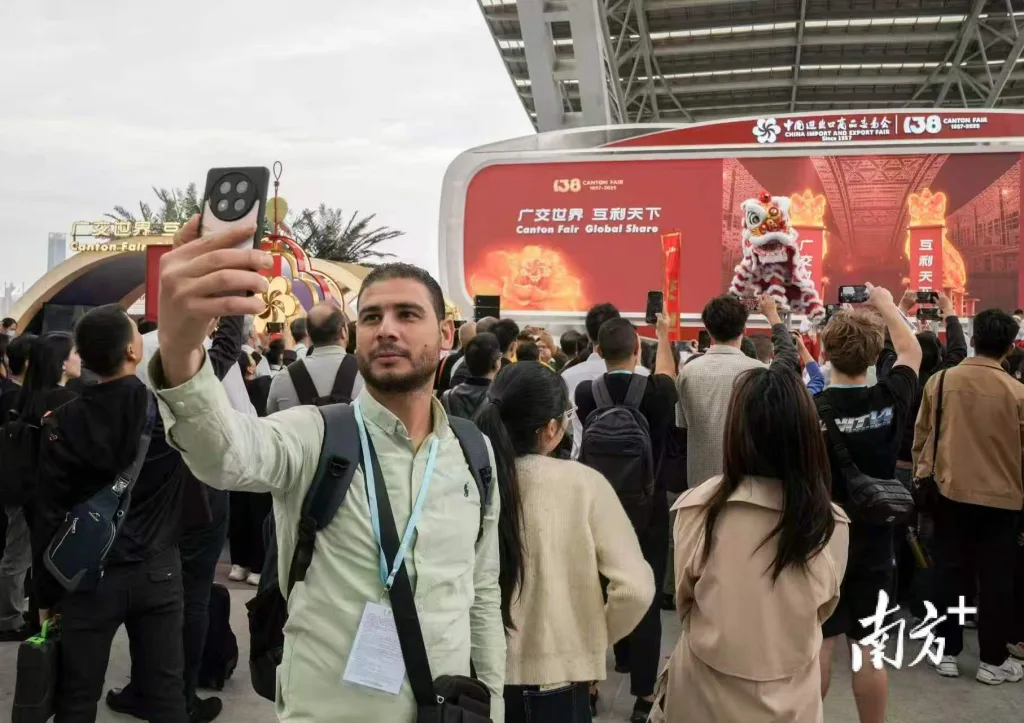
The 139th Canton Fair is currently in full swing, with "Made in China" innovations in AI and robotics capturing global attention. As many Chinese enterprises transition from "product export" to "technology export," a dangerous assumption is circulating: "Since we developed the technology and hold the independent intellectual property rights, we can freely transfer it to our overseas subsidiaries."

(Source: Guangzhou Daily)

This logical fallacy is a compliance trap that can lead to severe legal penalties. NEO-ARK Law Firm warns that "Independent IP" does not equal "Freedom of Disposal."

I. How Prevalent is This Myth?

This misunderstanding is widely present in three main scenarios:

  1. Intra-group Technology Sharing: The domestic parent company directly provides technical drawings, source code, process flows, or technical support to its overseas subsidiaries.
  2. Relocation of Core Teams: Moving all or part of a core R&D team abroad and establishing overseas R&D centers to continue development.
  3. Technology Delivery in Cross-border M&As: An overseas entity acquires a Chinese tech company, where the transaction includes core technologies developed within China.
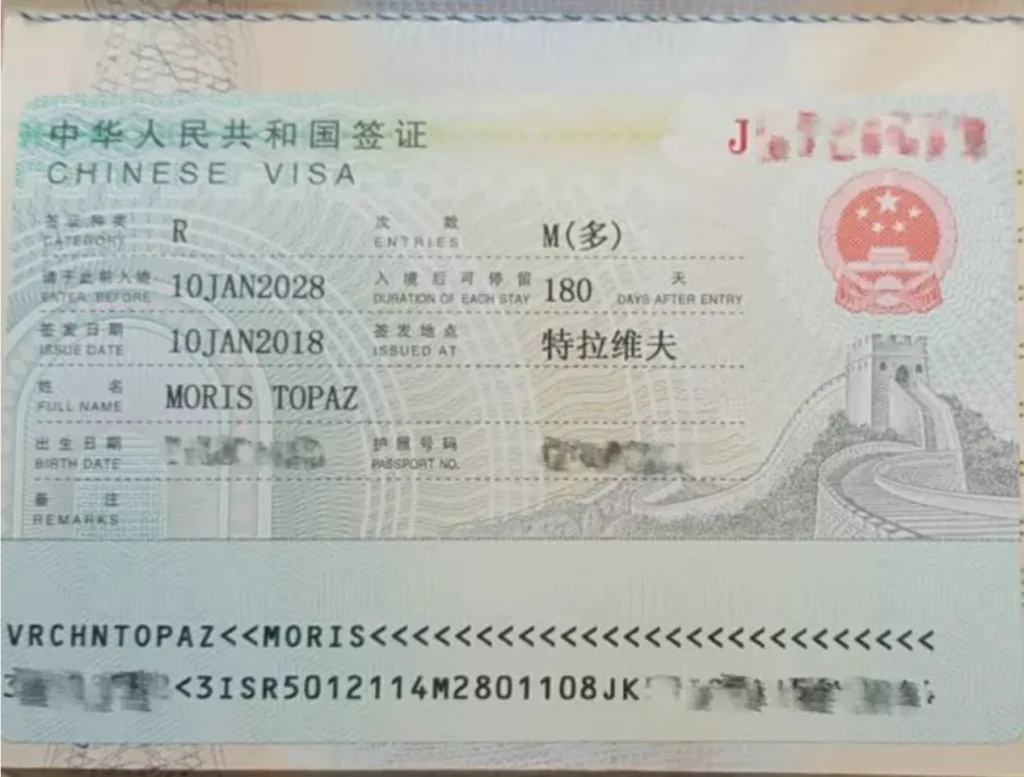
(Source: Guangzhou Daily)

II. Why "Independent IP" Does Not Equal "Freedom of Disposal"

Many companies believe that since they developed the technology and own the patents, their overseas subsidiaries should naturally be free to use them. This involves three critical legal concepts:

1. Technology Ownership ≠ Exemption from Export Control

Whether a technology is subject to export control depends on whether its technical parameters, performance indicators, and potential end-uses fall within the scope of the Dual-Use Items Export Control List, the Catalogue of Technologies Prohibited or Restricted from Export of China, or announcements issued by the Ministry of Commerce (MOFCOM). This status is entirely independent of who developed the technology or who holds the patent.

In other words, even for self-developed technology, if its technical indicators meet the thresholds defined in the control lists, its cross-border transfer must be subject to an export license application.

2. Providing Technology to Subsidiaries Also Constitutes "Export"

According to Article 2 of the Export Control Law, export control actions include two major categories: first, the transfer of controlled items from mainland China to overseas; second, the provision of controlled items by Chinese citizens, legal persons, or non-incorporated organizations to foreign organizations or individuals. This means:

  • (1) A domestic parent company providing controlled technology to an overseas subsidiary constitutes a technology export.
  • (2) Regardless of their physical location, a Chinese citizen providing controlled technology to a foreign entity also constitutes an export act.
  • (3) Providing technology to foreign individuals during cross-border M&As similarly triggers export control obligations.

"Providing it to a subsidiary" does not mean "it hasn't been exported"—as long as the technology crosses a border or is provided to a foreign entity, it may trigger export control compliance duties.

3. Control Lists are Dynamically Updated

Since its first release in 2001, the Catalogue of Technologies Prohibited or Restricted from Export of China has undergone several adjustments. On July 15, 2025, MOFCOM, in conjunction with the Ministry of Science and Technology, adjusted the Catalogue again, involving new and modified items such as preparation technologies for battery cathode materials and non-ferrous metal metallurgy technologies. Earlier this year, MOFCOM issued multiple announcements incorporating overseas rare earth-related items and technologies into the license management framework.

This means a technology that was "free" last year might be subject to control this year. Enterprises must continuously track policy changes to avoid inadvertently violating regulations.

(Source: Guangzhou Daily)

III. Insights for Exhibiting Enterprises

1. Conduct Compliance Assessments Before Cross-border Transfer

Before transferring any technology (including drawings, source code, process flows, etc.) to an overseas subsidiary, conduct a compliance assessment against the latest Dual-Use Items Export Control List and the Catalogue of Technologies Prohibited or Restricted from Export. Do not take for granted that "what we developed can be transferred freely."

2. Establish Internal Cross-departmental Communication

R&D teams are experts in technology but may lack knowledge of control lists, while compliance departments understand the regulatory framework but may struggle with deep technical details. Enterprises need to bridge this information gap and complete joint compliance assessments before technology is transferred abroad.

3. Continuously Track Policy Dynamics

Control lists are constantly updated. Enterprises should regularly monitor announcements from MOFCOM and the General Administration of Customs (GACC). When in doubt, it is highly recommended to consult a professional legal team to avoid "assuming" that a transfer is permissible.

(Source: Guangzhou Daily)

Conclusion

While technologies may shine at the Canton Fair, ensure your global expansion doesn't falter due to "common sense" assumptions. Owning the technology does not mean you can freely provide it to an overseas company. Asking "Is this compliant?" before crossing the border can save your business from significant legal pitfalls.

Disclaimer & Copyright: This article is co-authored by Mandy Wu and Yu Yuting. The insights shared are for general compliance trends only and do not constitute formal legal advice.As a specialized cross-border legal institution, Neo-Ark Law Firm provides comprehensive global compliance and rights-protection support for expanding enterprises. For more international legal updates, please visit the Neo-Ark Law Firm Official Websites (https://www.neoarklawyers.com/news).

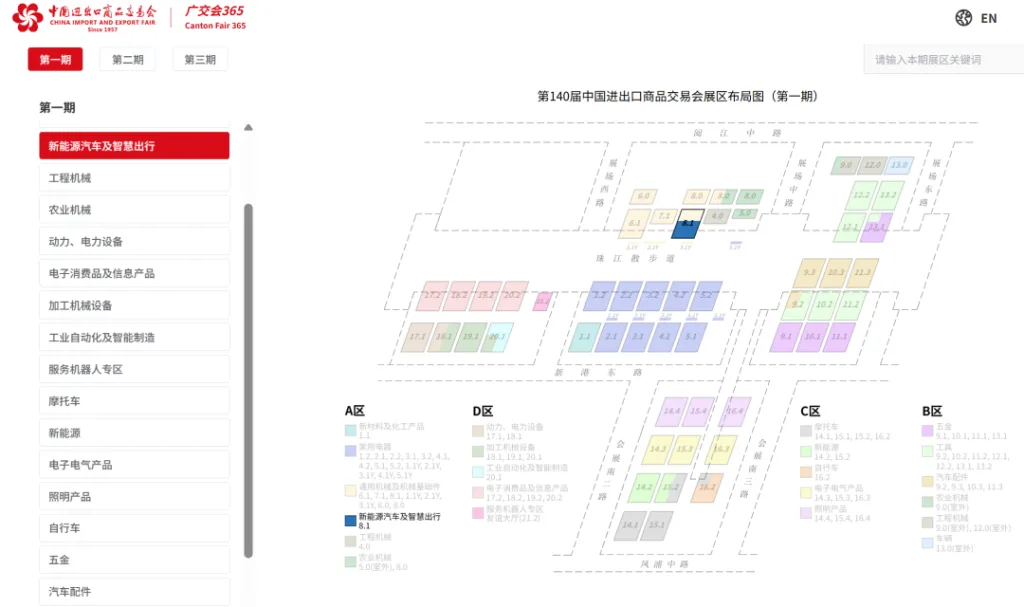
On April 15, 2026, the 139th Canton Fair opened at the Canton Fair Complex in Guangzhou. Running until May 5, this session spans 1.55 million square meters, hosting over 32,000 exhibitors—surpassing all previous records.

As a vital window for international trade, the Canton Fair is the core platform for showcasing innovation. However, improper handling of Intellectual Property (IP) can lead to exhibit removal, seizure, or international litigation. NEO-ARK Law Firm has compiled this legal guide to help exhibitors navigate these risks.

(Source: Guangzhou Daily)

I. Risk Avoidance

Exhibitors can mitigate IP risks through proactive measures:

  • Advance Reporting: Truthfully report the IP status of your exhibition projects to the organizers.
  • Negotiation and Licensing: If your products may encroach upon third-party rights, engage professional legal counsel to negotiate licensing before the exhibition.
  • Technical Modification: For potential conflicts, modify technical solutions or replace trademark logos to ensure compliance.
  • Proactive Enforcement: If known infringers are participating, prepare evidence and enforcement measures, including potential litigation, in advance.

(Source: Guangzhou Daily)

II. Handling Infringement as a Rights Holder

If your rights are infringed upon on-site:

  1. Evidence Collection: Immediately gather proof of infringement and verify the validity of your own rights.
  2. Warning and Complaint: Issue a warning letter and file a formal complaint with the Fair's IP Dispute Resolution Office.
  3. Legal Escalation: If the party refuses to rectify the situation, transfer materials to the local IP management department for legal handling.

(Source: Guangzhou Daily)

III. Responding to Infringement Complaints

Being complained against is not an admission of guilt. Take these steps:

  1. Active Cooperation: Comply with investigations by the organizers and submit truthful evidence within the required time limits.
  2. Professional Assessment:
    • If risk is confirmed: Proactively withdraw the exhibit, communicate with the complainant to seek settlement, and mitigate potential damage to your participation eligibility.
    • If non-infringement is confirmed: Submit legal opinions and evidence to request the resumption of display. You reserve the right to pursue damages for malicious complaints.

 (Source: https://www.cantonfair.org.cn/)

NEO-ARK Tip: IP risk screening is critical to protecting your business during exhibitions. Strengthen your early-warning capabilities and dispute resolution proficiency to ensure a seamless international trade experience.

Recently, eight lawyers from NEO-ARK Law Firm—Liu Minghong, Liu Jun, Chen Meijuan, Tan Huiyi, Li Wanjun, Fang Zhilin, Yu Yuting, and Xie Guizhen—were officially appointed as "Senior Lecturers" at Guangdong Jiangnan Institute of Technology.

Guangdong Jiangnan Institute of Technology is a national key senior technical institution dedicated to cultivating high-quality, skilled professionals. Renowned for its motto of "Learning, Skill, Virtue, and Professionalism," the college has a long-standing reputation in vocational education. It serves as a vital talent hub for the Guangdong-Hong Kong-Macao Greater Bay Area, consistently providing the region with graduates who possess both professional expertise and high vocational standards.

This appointment is a strong recognition of the professional capabilities of NEO-ARK’s legal team. It also establishes a collaborative bridge between the law firm and the academic institution for practical teaching and talent development. Moving forward, NEO-ARK Law Firm will leverage its professional advantages to deeply engage in curriculum co-construction, legal lectures, and practical guidance. By integrating legal practice with vocational education, NEO-ARK aims to help cultivate versatile, skilled talents that meet the evolving demands of modern society.

On March 18, 2026, Lawyers Yu Yuting and Xie Guizhen from NEO-ARK Law Firm were invited to the Guangdong Juvenile Detention Center (Baiyun Prison) to deliver a specialized legal lecture titled "In the Name of Law, Protecting You Completely." The session, attended by over 100 female juvenile offenders, focused on women's rights and juvenile protection. This initiative aimed to strengthen the students' legal awareness, clarify behavioral boundaries, and provide them with the legal tools necessary for a successful return to society. Following the event, both lawyers were officially appointed as "Legal Education Counselors" for a three-year term.

Focusing on Women’s Rights: Awareness, Compliance, and Protection Lawyer Yu Yuting analyzed various infringements of women's rights across criminal, administrative, and civil dimensions. Using real-world cases involving sexual assault, domestic violence, and threats, she guided the students on how to seek assistance through the police, the Women's Federation, and legal aid channels. She also provided a rigorous legal analysis of common crimes such as drug trafficking and pimping, warning against the risk of recidivism. "The law is a tool for punishment, but more importantly, a weapon for protecting rights," she emphasized, encouraging the students to rebuild their lives through continuous learning.

Nurturing Juvenile Growth: Shedding the Past to Embrace a New Future Addressing the psychological distress common among the students, Lawyer Xie Guizhen explained the "Criminal Record Sealing System" for juveniles to help them regain hope. Through an interactive Q&A format, she addressed practical concerns regarding employment, education, and reputation rights after release. She also warned against modern criminal traps like "lending bank cards" or "easy money" schemes. "True failure is not falling, but refusing to stand up again," she told the students, urging them to become contributors to society.

Professional Guidance and Compassionate Interaction During the interactive session, the students raised diverse questions concerning sentencing, education, and child custody. The lawyers provided professional and sincere answers, turning the lecture into a journey of soul-shaping and enlightenment.

A Long-term Commitment to Legal Education In recognition of their effective educational work, the Guangdong Juvenile Detention Center formally appointed Lawyers Yu and Xie as "Legal Education Counselors." Over the next three years, they will continue to provide regular legal education within the facility. NEO-ARK Law Firm remains dedicated to the protection of women and minors, fulfilling its social responsibility by providing hope through professional legal services.

On March 7, 2026, the Guangzhou Lawyers Association hosted the "Empowering Women, Witnessing Growth" series sharing session. During the event, the third batch of "Guangzhou Lawyers Association Female Lawyers' Workstations" was officially inaugurated. NEO-ARK Law Firm was formally awarded the plaque in recognition of its outstanding performance in female lawyer training, professional development, and pro-bono legal services. Ms. Huang Ziran, Senior Partner of NEO-ARK Law Firm, attended the ceremony to accept the honor.

This designation serves as a significant affirmation of NEO-ARK’s long-standing commitment to supporting the growth of female lawyers and actively participating in public welfare legal services, particularly regarding the protection of women’s and children’s rights. The establishment of these workstations is a key initiative within the Guangzhou legal industry to provide female practitioners with broader platforms and stronger resources.

NEO-ARK Law Firm will utilize this workstation as a strategic platform to further leverage its professional expertise. We remain dedicated to deepening our pro-bono services in areas such as matrimonial and family law, protection of women’s rights, and legal education. By actively participating in initiatives like "She Power, Legal Guard," NEO-ARK aims to showcase the professionalism and social responsibility of female lawyers, contributing to the high-quality development of the legal industry in Guangzhou.

Guangdong Neo-Ark Law Firm has officially established the International Legal Affairs Department, headed by Partner Yu Yuting. This move represents an important step in Luoya’s strategy to advance professionalization and internationalization. It aims to systematically integrate cross-border legal service capabilities, providing one-stop, comprehensive legal support for Chinese enterprises “going global” and cross-border civil and commercial activities between Chinese and foreign entities.

Profile of the Department Head

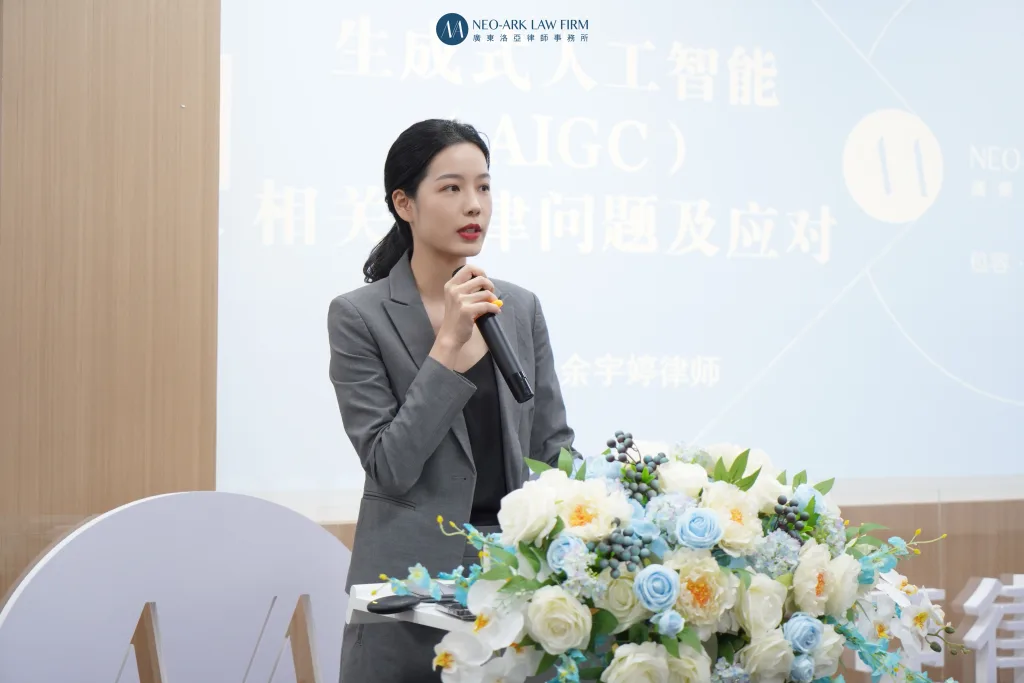
Lawyer Yu Yuting, Partner at Neo-Ark Law Firm, graduated from The Chinese University of Hong Kong and is proficient in English for professional practice. She currently serves as a member of the Foreign-related Legal Services Committee of the Guangzhou Lawyers Association and a member of the Guangzhou International Trade and Commerce Legal Service Centre.

With extensive experience in corporate advisory and cross-border dispute resolution, Lawyer Yu has provided legal services to numerous foreign-invested enterprises and cross-border projects. She not only has an accurate grasp of the legal key points and commercial logic in international business, but also has established close connections and cooperation with law firms and Chinese business associations in many countries and regions around the world. She can efficiently help clients break through legal barriers in target markets and provide effective local legal connections.

Countries and Regions

The department has built a mature service network and established close partnerships with the following countries and regions:

the United States, the United Kingdom, Germany, France, Russia, Spain, Portugal, Norway, Denmark, Australia, New Zealand, Japan, South Korea, Singapore, Malaysia, Thailand, Vietnam, Cambodia, the United Arab Emirates (Dubai), Hong Kong SAR, Macao SAR, Taiwan region, etc.

Core Business Areas

The Department focuses on the diversified needs of corporate and individual clients, integrating six core areas to provide full-process legal services:

I. Cross-Border Investment and Corporate Commercial Practice  

- For Chinese Enterprises: Provide legal services including equity structure design, ODI filing and compliance review for Chinese enterprises in overseas company establishment and mergers & acquisitions. Successful projects include assisting Chinese new energy enterprises in establishing companies, setting up factories and commencing production in Vietnam, and advising Chinese enterprises on acquisition projects in Malaysia.  

- For Foreign Enterprises: Provide market access policy consultation, company establishment and operational compliance legal services for foreign investors investing and establishing companies in China. Examples include providing equity structure design for foreign-invested enterprises to avoid disputes, and offering legal counsel services to prevent labor disputes.
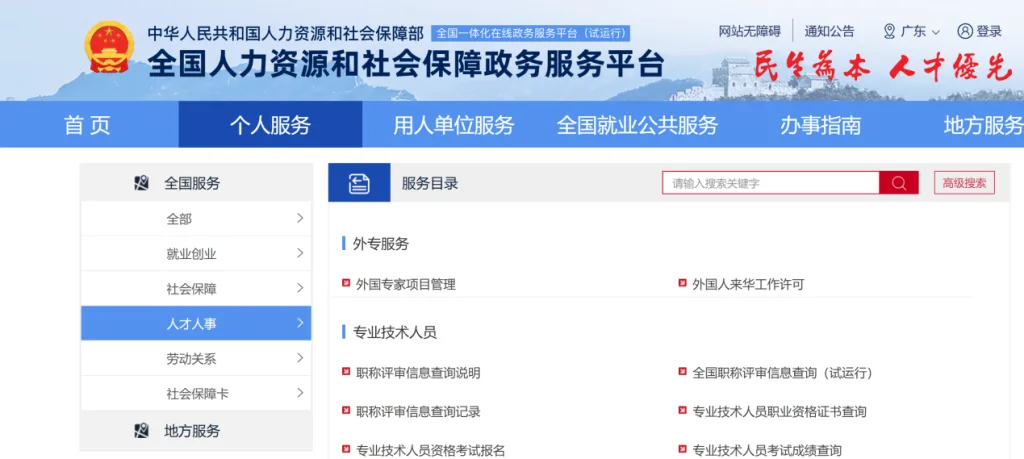
 II. International Trade and Dispute Resolution  

- Litigation and Arbitration Representation: We handle cross-border civil and commercial disputes involving trade contracts, transportation logistics, and intellectual property (IP) rights, whether between foreign entities in China or cases involving Chinese parties. Our services include acting as counsel in foreign-related civil and commercial litigation and arbitration, such as representing foreign entities in debt recovery from Chinese counterparts, resolving transportation contract disputes, and addressing IP infringement claims.  

- Cross-Border Coordination: We assist Chinese entities in managing legal disputes overseas, including entrusting local counsel for litigation protection or due diligence, and providing cost budgeting and process oversight.

 III. International Compliance and Regulatory Response  

- Export Control and Sanctions Advisory: We conduct sanctions list screenings covering U.S. and EU sanctions regimes for Chinese enterprises, assist in developing compliance frameworks, and address risks associated with extraterritorial jurisdiction.  

- Cross-Border Data Compliance: We provide legal services related to the EU General Data Protection Regulation (GDPR) and China’s data export security assessment for enterprises expanding globally.

 IV. Cross-Border Intellectual Property Protection  

- Global IP Strategy: We represent Chinese enterprises in overseas trademark registration and patent application to establish an intellectual property defense system. We also assist foreign enterprises in their China IP strategies.  

- Cross-Border E-Commerce IP Disputes: We provide intellectual property infringement complaint, appeal and litigation representation services for cross-border e-commerce sellers on platforms such as Amazon and Temu.

 V. Legal Services for Foreign Nationals in China  

We deliver specialized legal support to foreign residents in China, covering criminal defense (including criminal accusations, public security penalties, illegal residence, etc.), civil and commercial disputes, marriage and family affairs, as well as labor and employment matters.

 VI. Cross-Border Wealth Management for Chinese Citizens  

For high-net-worth individuals (HNWIs) from China with cross-border asset allocation, tax planning, family trust, and residency arrangement needs, we develop customized legal solutions based on each client’s unique requirements and circumstances. We provide targeted recommendations on suitable jurisdictions and products to mitigate potential legal risks and safeguard asset security.

Relying on the comprehensive strength of Neo-Ark Law Firm, the International Legal Affairs Department will integrate domestic and international cooperative resources to build a service network covering key regions including Asia, Europe, North America and Australia. It is committed to becoming a trusted cross-border legal brand in the Guangdong-Hong Kong-Macao Greater Bay Area.
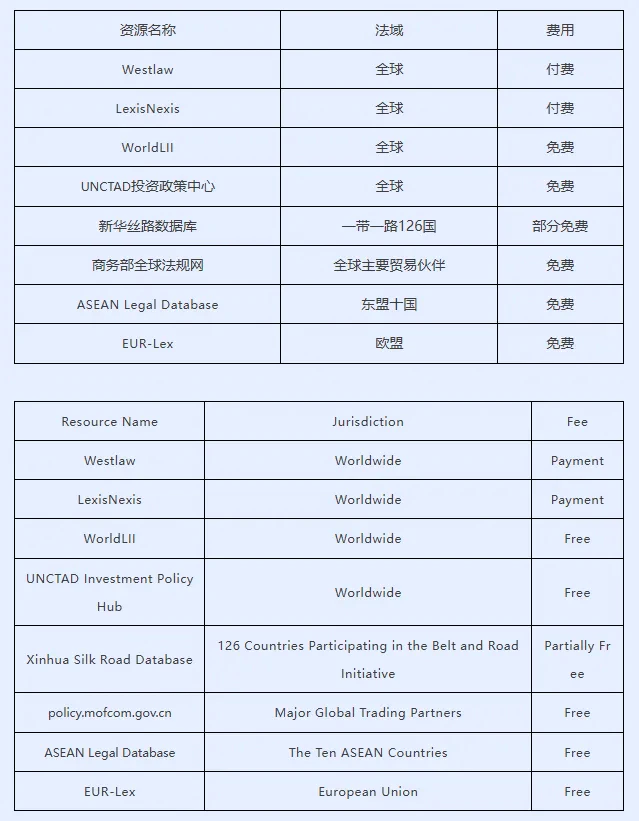
For inquiries, please contact:

Yu Yuting, Lawyer

Email: [email protected]

After a day of inspiring professional exchanges, a warm and heartfelt celebration began. Under the theme “Stars Gather, a New Chapter Begins,” the gala perfectly blended legal professionalism with human warmth, lighting up the night in Dinghu with the unique brilliance of the Neo-Ark family.

The evening was hosted by Zheng Xun, Zhu Jia, Liu Xinyi, and Yuan Baixin. Eight carefully choreographed performances showcased the diverse talents of the Neo-Ark team beyond the courtroom:

  • Yang Huihui opened softly with a heartfelt rendition of “Wishing You Peace,” conveying sincere blessings to colleagues.
  • A humorous dance titled “Elegant Personalities” by Huang Yueshi, Liu Zhiqian, Liu Zihua, Ru Junjie, Wu Sinuo, Ye Wenya, Yu Junhua, Yuan Baixin, and Yuan Yongqi brought the house down with playful costumes and perfect coordination.
  • He Xinyu and Zhu Jia performed “Blue and White Porcelain,” blending the elegance of the guzheng with graceful dance, evoking the poetry of Jiangnan.
  • Li Qikang, Li Wanjun, Liang Xiaofeng, and Yu Xingming delivered an energetic dance “Love Blossoms,” mixing retro melodies with quirky moves, earning second place in the contest.
  • Yi Qi’s “Great River” (Haiyang Yangge) fused a classic melody with traditional dance for a lasting impression.
  • The admin team (Li Mengli, Li Yu, Liang Jingwen, Luo Wenxiu, Ye Jiaxin) performed a fun “Shower Song” dance, bringing total relaxation and causing laughter with an unexpected funny mishap.
  • Liu Zhiqian and Yuan Baixin impressed with a powerful bel canto performance of “Toast Song,” lifting the atmosphere to a climax with their grandeur and emotion.
  • The closing medley dance “Eight Immortals Crossing the Sea” stunned the audience. Choreographed and performed by Fang Zhilin, Luo Zhihao, Sun Kaiyang, Xie Guizhen, Xu Linhui, Yuan Baixin, Zhang Huixuan, and Zheng Xun, the creative and energetic routine drew endless cheers.

Each performance reflected the vitality and creativity of the Neo-Ark team, with applause and laughter forming a warm sea of support.

At the most anticipated moment, all senior partners took the stage for a toast. They shared “Stories of Time,” reflecting on 15 years of shared journeys, thanking every colleague for walking side by side. With a sparkling champagne tower, they raised their glasses: “To the next 15 years of Neo-Ark – may we continue to ride the wind together and create an even brighter galaxy of stars!” The entire hall joined the toast, letting the warmth and hope echo through the Dinghu night.

More surprises awaited beyond the stage:

  • Mystery Box Auction: Ten exciting rounds of bidding saw enthusiastic participation, with offers and cheers rising one after another, adding fun and suspense to the evening.
  • Multiple Lucky Draws: Practical gifts and cash prizes pushed the excitement to new heights. Every draw brought breathless anticipation, and each prize carried the firm’s thoughtful care for its people.

The gala ended joyfully amid laughter. This celebration of warmth and fun strengthened team cohesion and recharged every Neo-Ark member. With closer bonds and renewed passion, the firm now looks forward to the next brilliant chapter together.

On January 22, 2026, Neo-Ark Law Firm lawyers Yu Yuting and Xie Guizhen were invited to the Guangdong Juvenile Offenders Correctional Facility (Baiyun Prison) to deliver a specialized legal education lecture titled “The Ruler of Discipline and the Light of Protection” for 188 young offenders nearing release.

The session focused on the new Public Security Administration Punishment Law and the protection of legal rights, aiming to help the attendees understand behavioral boundaries, learn how to seek legal remedies, and build a solid legal and psychological foundation for their smooth reintegration into society and prevention of reoffending.

The Ruler of Discipline: Analyzing the New Public Security Administration Punishment Law

Yu Yuting systematically explained the main revisions and practical implications of the new Public Security Administration Punishment Law, which came into effect on January 1, 2026. Using vivid case studies centered on a fictional character “Zhang San,” Yu illustrated the legal consequences of newly added offenses such as exam cheating, desecrating heroes and martyrs, illegal drone flying,高空抛物 (throwing objects from height), campus bullying, and pyramid schemes. Her engaging approach turned abstract legal provisions into concrete warnings.

The Light of Protection: A Guide to Legal Rights

Xie Guizhen focused on the real-life difficulties the young offenders might face after release, such as criminal record sealing, protection under labor law, and defense of reputation rights. Through five relatable cases, she explained in plain language how to access legal remedies, helping to dispel concerns about future education, employment, and social relationships. She encouraged them to build confidence and move forward steadily toward a new life.

Lighting the Lamp of Law, Illuminating the Way Back

During the Q&A session, attendees asked questions like “Why is facilitating prostitution illegal?” “Will my criminal record affect my future studies or marriage?” “Can I start a business selling roast chicken after I get out?” The two lawyers answered professionally and empathetically, creating a serious yet warm atmosphere.

This lecture was more than a transfer of knowledge – it was an act of sowing the seeds of rule-of-law thinking and nurturing personal growth. One participant moved everyone by saying, “If I had met you earlier, I might not have committed a crime.” Neo-Ark Law Firm is committed to legal education for minors. Through this pro bono initiative, the firm demonstrated how legal professionalism can bring warmth and hope, empowering young people restarting their lives with legal awareness and practical tools, truly lighting a guiding lamp on their way back to society.

On January 17, 2026, Neo-Ark Law Firm held its annual conference under the theme “Fifteen Glorious Chapters, Riding the Wind Forward” at the Wyndham Grand Zhaoqing. All members gathered to reflect on 15 years of dedication, honor outstanding performers, and shape the future with professional consensus.

Part 1: Leadership Address – Setting New Directions

Liu Minghong, Executive Director and Senior Partner, opened with a speech reviewing Neo-Ark’s 15-year journey in legal practice, acknowledging everyone’s efforts, and outlining expectations for the future.

Liu Zhimin, Party Branch Secretary and Senior Partner, delivered the annual work report, summarizing 2025 achievements in business, team building, and brand breakthroughs, while setting strategic goals for 2026.

Yu Yuting announced the establishment of the Neo-Ark International Legal Affairs Department, marking a key step toward international legal services.

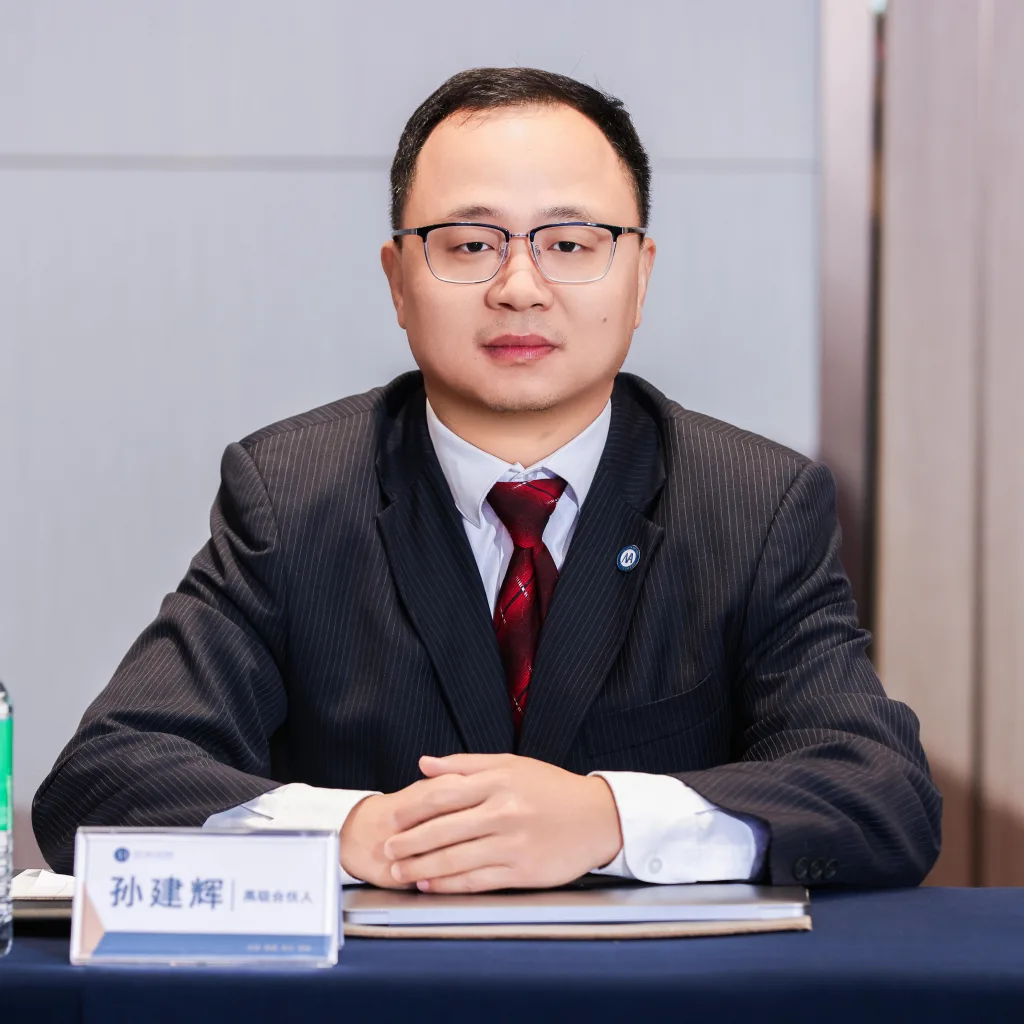
Sun Jianhui led a specialized training on “Lawyer Professional Ethics and Practice Standards,” reinforcing compliance as the foundation of the firm’s reputation.

Part 2: Moment of Honor – Saluting the Strivers

The conference honored outstanding individuals and teams of 2025 with eight major awards, including “Firm Building Contribution Award,” “Excellent Lawyer Award,” and “Rising Star Award,” celebrating every shining member of Neo-Ark.

Part 3: “Dinghu Inquiry” – Elite Lawyer Interview

A highlight of the conference, the “Dinghu Inquiry” elite lawyer interview offered deep industry insights. Moderated by Senior Advisor Fan Liping, the panel included Senior Advisor Lin Weiye, Senior Partners Liang Xiaofeng, Liu Minghong, Sun Jianhui, and Partner Fang Zhilin.

These seasoned lawyers discussed three core themes: industry trends, professional excellence, and personal growth paths. Sharing their valuable experiences, they offered forward-looking thoughts on market changes, strategies for deepening expertise, and guidance for young lawyers. The session was widely praised as an inspiring and practical feast of ideas, empowering the next generation.

Part 4: Uniting as One – Embarking on a New Journey

In the closing address, Huang Jianqiu, Director and Senior Partner, spoke on the theme “The sky is vast, the earth is far; ebbs and flows have their laws.” He analyzed how the legal profession has entered a “fierce battle phase,” pointing out that AI’s impact surpasses previous industrial revolutions, warning of potential job restructuring.

To navigate these changes, he proposed a guiding principle: “In good times, do more; in tough times, read more.” He urged the team to focus on cutting-edge research, responsibility and reputation, and ethics and empathy, building premium capability in niche areas to become part of the top 20% of pioneers. With the 15th anniversary as a new starting point, he encouraged all to break through circles with willpower, resilience, and innovation, finding starlight amid the competitive red ocean, and riding the wind forward to the next glorious chapter.

Fifteen years of dedication, fifteen years of unwavering commitment. At this new historical starting point, Neo-Ark Law Firm will continue to uphold professionalism, innovation, and win-win cooperation, riding the wind forward with firmer steps to provide clients with better legal services and contribute to the rule of law. Together, all Neo-Ark members will keep walking hand in hand, reaping warmth through hard work and creating new brilliance through unity.

Scroll to Top

+86 13503030053

BackToTop

Inquiry Inquiry Email Email Tel Tel

Request A Quote

×
Please enable JavaScript in your browser to complete this form.