News

News

Inclusion ▪ Respect ▪ Professionalism ▪ Excellence

As international commercial interactions and transnational talent mobility continue to accelerate, an increasing number of foreign professionals are entering China for trade, investment, and localized operations. However, China's National Immigration Administration (NIA) and border control authorities are deploying increasingly refined and rigorous enforcement frameworks.

A critical reality that global executives must recognize is that holding a valid Chinese visa does not automatically guarantee a statutory right of entry into China. Based on current statutory exit-entry regulations and active cross-border legal practices, this guide delivers an operational blueprint regarding visa utilization, entry auditing, and onshore compliance.

(Source:NIA)

I. Primary Visa Categories & Permitted Scope of Activities

The Golden Principle: Your actual on-site activities within Mainland China must strictly correspond to your assigned visa classification and your declared purpose of entry at the border checkpoint.

  • M Visa (Business & Trade): Specially tailored for commercial negotiations, supplier procurement, trade exhibitions, and short-term transactional tasks. Crucial Legal Distinction: An M Visa is not an authorization for employment. If a foreign national works under the managerial supervision of a domestic Chinese entity, maintains a long-term on-site desk, or directly administers daily operations, authorities may classify this as unauthorized employment—regardless of whether their compensation is paid onshore or offshore.
    • Extension Protocols: Applications must be supported by an official verification letter issued by the inviting or hosting domestic organization. The Exit-Entry Administration may grant a stay extension of up to 180 days.
  • L Visa (Tourism): Exclusively designated for leisure travel, recreational itineraries, or short-term private family affairs. Any form of commercial monetization or corporate assistance is strictly prohibited.
    • Extension Protocols: Applicants must file a detailed itinerary or a certified validation letter from a licensed travel agency. Extensions are generally capped at a maximum of 30 days.
  • Z Visa (Employment): Enforced for foreign nationals legally hired by an onshore entity. This visa category requires the holder to successfully process and secure an official Foreigner’s Work Permit and a subsequent Residence Permit immediately upon arrival.
  • Q2 Visa (Family Visit): Intended for foreign nationals visiting relatives who are either Chinese citizens or foreign nationals holding permanent residency status in China. Select jurisdictions allow for extended, flexible stay durations under this class.
  • K Visa (STEM & Young Scientific Talent): A specialized immigration path designed for young scientific researchers, STEM academic graduates, and international scientific cooperation personnel.

(Source:NIA)

II. Border Interrogation Dynamics: Why Valid Visas are Flagged for Denial

Chinese border inspection officers possess independent statutory authority to review the underlying factual intent of any entering traveler. If border patrol concludes that your prospective onshore activities conflict with your issued visa type, they are legally empowered to conduct advanced interrogations, curtail your permitted duration of stay, or formally execute a denial of entry.

1. High-Risk Triggers During Immigration Inspection:

  • High-frequency, short-term shuttle flights into Mainland China within a compact timeframe.
  • Accommodations, local logistics, or travel expenses funded directly by a Chinese corporate entity without a corresponding work permit.
  • Physical or digital possession of sensitive enterprise properties, such as raw source codes, internal industrial blueprints, or unmasked proprietary data architectures.
  • Absence of a confirmed return flight booking or an ambiguous, unverified localized travel itinerary.
  • Commercial statements during processing that do not align with the structural definitions of the presented visa.

2. Immediate On-Site Compliance Practices:

  • Always travel with physical, fully updated copies of your official corporate Invitation Letters alongside current contact directories for your onshore point of contact.
  • Avoid ambiguous colloquial phrases during customs processing, such as "I am just coming to assist a friend’s startup" or "I am doing unpaid consulting work."
  • Ensure all data assets stored on accessible corporate devices strictly mirror standard business-trip necessities.
  • Maintain accessible digital and physical duplicates of your pre-booked hotel confirmations and travel tickets.

(Source:NIA)

III. The 24-Hour Temporary Residence Registration Mandate (Critical)

Pursuant to the Exit and Entry Administration Law of the PRC, foreign nationals who do not lodge at a certified international hotel (e.g., those choosing private apartments, residential short-term rentals, or staying with local colleagues) must complete a Temporary Residence Registration with the local public security station (Hupai) within 24 hours of arrival. Select metropolitan experimental zones may feature a 72-hour window, but immediate registration remains the gold standard to avoid administrative citations.

(Source:NIA)

IV. Procedural Extensions & Institutional Renewals

  • Proactive Processing Timelines: Visa extensions and Residence Permit renewals should be initiated well in advance of the current document's expiration date. Local Exit-Entry Administration bureaus maintain independent processing timelines; failing to allocate sufficient processing margin exposes the applicant to automatic overstay liabilities.
  • Filing Jurisdictions: Applications must be managed by the Exit-Entry Administration Bureau of the public security bureau at the applicant's current locality.
  • Standard Compliance Checklist:
    • An unexpired, authentic foreign passport.
    • A validated, recently issued Temporary Residence Registration Form.
    • A formal corporate Invitation Letter or a validated Employment Certificate.
    • The current, unaltered Business License (Chongzhao) of the domestic enterprise.
    • Completed statutory application sheets coupled with compliant biometric photography.

(Source:MFA)

V. Unauthorized Employment: Deconstructing Regulatory Misconceptions

A pervasive risk for multinational enterprises operating in China is the assumption that omitting local payroll or working under short-term "advisory" titles insulates a foreign professional from illegal employment liabilities.

1. Core Factors Evaluated by Chinese Regulatory Authorities:

  • Managerial Control: Does the individual operate under the structured hierarchy or supervision of a domestic enterprise?
  • Operational Persistence: Does the individual maintain a continuous, physical on-site presence at a domestic facility or corporate desk?
  • Commercial Execution: Does the individual engage in core commercial activities that directly drive the ongoing business operations of an onshore entity?

2. High-Risk Operational Violations Evaluated by Law Enforcement:

  • Utilizing an M Business Visa to fulfill a continuous, long-term operational desk presence or managerial function inside an onshore office.
  • Leveraging an L Tourist Visa to host commercial e-commerce livestreams or participate in revenue-generating promotional events.
  • Directly overseeing, hiring, or managing localized functional teams inside Mainland China without an active work authorization.
  • Providing persistent professional services under informal, unvetted "External Consultant" or "Independent Advisor" contract structures.

(Source:MFA)

VI. Penalties for Administrative Overstays

Overstaying the statutory limit designated on an entry stamp is a serious regulatory violation in China. Enforcement actions escalate based on duration and intent, frequently resulting in:

  • Formal administrative warnings and public reprimands.
  • Compulsory per-day financial penalties up to statutory maximums.
  • Administrative detention within a public security holding facility.
  • Immediate cancellation of active visas and the execution of deportation orders.
  • Multi-year re-entry bans and permanent systemic flags within immigration databases.

VII. Emergency Contingencies: Lost Passports or Damaged Visas

If a foreign passport containing an active Chinese visa is lost, stolen, or physically compromised within Mainland China, the individual must execute the following protocol immediately:

  1. File an Emergency Police Report: File an immediate report with the nearest local public security station to secure a formal Receipt of Report.
  2. Obtain an Exit-Entry Certificate: Present the police documentation to the municipal Exit-Entry Administration to secure a temporary stay certificate.
  3. Engage Sovereign Consular Services: Coordinate directly with your home country's embassy or consulate within China to process an emergency passport replacement.
  4. Execute Visa Reissuance: File an application with the Chinese exit-entry authorities to transfer and reissue your prior visa or exit parameters onto the new travel document.

(Source:MFA)

VIII. Key Compliance Mandates for Global Enterprises & Professionals

  • For Corporate Entities: Cease the continuous rotation of foreign staff on M Business Visas as a long-term substitute for proper Z Employment Visas. This exposure creates severe systemic risks, including corporate fines, tax reclassifications, and potential blacklisting of the domestic business entity.
  • For Individual Professionals: Do not delay extension filings until the final days of your visa window. Maintain a rigorous, recurring review of your core tracking elements:

[Foreign Professional Compliance Checklist]
├── Visa Expiration Dates & Stay Caps
├── Temporary Residence Registration Status
├── Foreigner's Work Permit Validity
├── Individual Income Tax (IIT) Residency Thresholds
├── Border Checkpoint Entry-Exit Records

Conclusion

For international executives and cross-border enterprises, the primary compliance risk in China is rarely an inability to obtain an initial visa; rather, it is underestimating the meticulous enforcement of onshore immigration rules. Sustained, low-risk commercial success relies on aligning your physical operational footprint with China's evolving corporate and exit-entry legal frameworks.

Disclaimer & Copyright: This article is co-authored by Mandy Wu and Yu Yuting. The insights shared are for general compliance trends only and do not constitute formal legal advice.As a specialized cross-border legal institution, Neo-Ark Law Firm provides comprehensive global compliance and rights-protection support for expanding enterprises. For more international legal updates, please visit the Neo-Ark Law Firm Official Websites (https://www.neoarklawyers.com/news).

The world’s premier legal rating agency, Asian Legal Business (ALB, a Thomson Reuters publication), has officially unveiled the 2026 ALB China Regional Ranking: South China. Characterized by its rigorous market-performance evaluations, this ranking honors elite legal practices within China's most dynamic economic zones.

Based on its professional excellence and deep expertise in the South China legal market, Guangdong NEO-ARK Law Firm has been officially included in the prestigious 2026 ALB China Regional Ranking: South China Firms.

I. High-Level Legal Summit & Recognition Ceremony

The distinction was celebrated at the 2026 ALB Shenzhen Corporate Counsel Summit and Awards Ceremony, hosted in Shenzhen. Senior Partners from NEO-ARK Law Firm, Attorney Liu Minghong and Attorney Huang Ziran, attended the event on behalf of the firm.

During the summit, Attorney Liu Minghong delivered a presentation outlining NEO-ARK Law Firm’s historical growth, specialized legal sector architecture, and mid-to-long-term strategic vision. He emphasized the firm's client-centric operational strategy, which focuses on providing highly tailored, top-tier legal services designed to maximize commercial protection and client value in cross-border environments.

II. About the ALB Evaluation Framework

Asian Legal Business (ALB) serves as one of the world’s most authoritative benchmarks for corporate legal departments, institutional investors, and international commercial boards.

The ALB "Regional Ranking: South China" evaluates law firms operating across major southern economic jurisdictions, including Guangdong, Guangxi, Hainan, and Fujian. The editorial committee assesses firms through a data-driven process evaluating:

Market Growth Achievements: Practical success in high-value corporate actions, mergers, and cross-border trade defense.

Operational and Practice Scale: Core growth trajectories and management bandwidth.

Specialized Domain Capabilities: Sophistication in resolving complex, high-stakes litigation, data security, and cross-border commercial challenges.

Client Evaluation Benchmarks: Qualitative feedback regarding institutional value, efficiency, and transparency.

III. Strategic Alignment with the Greater Bay Area Economy

Since its inception, NEO-ARK Law Firm has systematically expanded its presence within the South China market. By pairing specialized practice expertise with a structured duty of care, the firm delivers efficient, accurate, and trustworthy legal outcomes for corporate and private wealth clients. This ALB ranking reflects industry consensus regarding the firm’s professional capabilities, service quality, and growing regional influence.

Looking ahead, NEO-ARK Law Firm will leverage this recognition to enhance its strategic capacities. The firm remains dedicated to aligning its services with the expanding economic needs of South China and deeply integrating its practice groups into the legal development of the Guangdong-Hong Kong-Macao Greater Bay Area (GBA).

Corporate Acknowledgements

We extend our deepest appreciation to our clients, corporate partners, and legal network colleagues for their ongoing trust and collaboration. The professionals at NEO-ARK Law Firm will continue to execute their legal mandates with integrity, delivering sophisticated legal solutions across all client operations.

Disclaimer & Copyright: This article is co-authored by Mandy Wu and Yu Yuting. The insights shared are for general compliance trends only and do not constitute formal legal advice.As a specialized cross-border legal institution, Neo-Ark Law Firm provides comprehensive global compliance and rights-protection support for expanding enterprises. For more international legal updates, please visit the Neo-Ark Law Firm Official Websites (https://www.neoarklawyers.com/news).

On May 8, the California Attorney General announced a historic settlement compelling General Motors (GM) to pay a $12.75 million civil penalty. This enforcement action stems from the unauthorized collection and monetization of drivers' behavioral datasets, marking the highest financial penalty issued under the California Consumer Privacy Act (CCPA) since its enactment in 2020.

This case shifts regulatory focus from passive consent checklists to rigorous algorithmic governance, carrying far-reaching implications for global connected vehicle manufacturers.

(source:The Guardian)

I. Anatomy of the Breach: Turning Telematics into Commercial Commodities

The data harvested by GM extended far beyond consumer profiles, encompassing driver names, contact directories, real-time precise geolocation logging, and telemetry metrics (including hard-braking events, late-night driving intervals, and speeding patterns).

Through its integrated OnStar emergency roadside and navigation systems, GM surreptitiously compiled and sold the telematics profiles of hundreds of thousands of California motorists between 2020 and 2024. These assets were commercialized through data brokers, specifically Verisk Analytics and LexisNexis Risk Solutions, to generate proprietary driver safety scores which were ultimately acquired by auto insurance underwriters to adjust consumer premium rates. GM generated approximately $20 million in revenue from these transactions.

This data monetization model is widespread across the automotive ecosystem. Investigations reveal that major manufacturers—including Honda, Hyundai, Kia, Ford, Subaru, and Mitsubishi—have leveraged integrated telematics services to monitor and commercialize driving habits, revealing a systemic vulnerability in automotive data governance.

(source:Reuter)

II. Structural Remedies: Remediation and Long-Term Oversight

The settlement goes beyond financial penalties, imposing structural restrictions on GM's data operations:

  1. Five-Year Monetization Ban: A comprehensive prohibition barring GM from transferring, licensing, or selling driving behavioral datasets to consumer reporting bureaus or third-party data brokers.
  2. Mandatory Data Purging: A strict 180-day mandate to delete all historical telemetry files from corporate repositories, alongside a legal obligation to enforce matching data deletion across the downstream data brokers.
  3. Enhanced Transparency Disclosures: Implementation of highly explicit consumer notifications alongside frictionless "opt-out" mechanisms.
  4. Independent Compliance Monitoring: Establishment of an enterprise-wide data privacy verification program subject to recurring audits and direct reporting to the California Attorney General’s Office.

(source:xinlangcaijing)

III. Core Legal Principles Established by the Precedent

1. Prohibition of Deceptive and Coercive User Interactivity (Dark Patterns)

Regulators did not merely check whether a user checked an "I Agree" box. Instead, the investigation scrutinized whether the user interface intentionally obscured the boundary between baseline vehicular functionality (e.g., safety navigation) and optional telemetry tracking.

Under global data privacy standards, if an interactive system architecture makes a consumer believe that refusing telemetry tracking will disable fundamental vehicle features, the interface constitutes a deceptive trade practice.

2. Rejection of Regulatory Provision Proliferation

The volume of a privacy policy does not equal compliance. GM featured structured disclosures, but buried the critical fact that it was selling telemetry data to affect insurance premiums inside highly complex, multi-layered digital text.

Regulators ruled that emphasizing "enhanced security features" while hiding commercial data-sharing agreements with third-party insurance firms constitutes intentional deception.

(source:General Motors)

3. Extra-Territorial Universality of Telemetry Risks

Even within regions lacking unified automotive data regulations, the commercialization of driving telematics is classified as a high-risk operational activity. Telemetry vectors require explicit, standalone user authorization. Cross-border transfers must adhere strictly to the "data minimization" principle, maintaining strict chain-of-custody tracking.

IV. Strategic Action Plan for Outbound Smart Vehicle Enterprises

1. Global Market Data Regulatory Architecture Overview

Smart vehicle export volumes are growing rapidly. In 2025, outbound shipments reached 7.098 million vehicles—a 21.1% year-on-year increase—securing a leading position in global automotive exports. By the first quarter of 2026, vehicle exports reached 2.312 million units (up 40.9%), with new energy vehicles (NEVs) accounting for 954,000 units (up 116.3%).

Concurrently, advanced driver-assistance systems (ADAS) have scaled significantly, with Level 2 autonomy penetration exceeding 50% globally, generating immense daily data volumes. The regulatory landscape across primary export jurisdictions is structured as follows:

[Outbound Automotive Data Compliance Framework]
  ├── European Union (GDPR & Data Act) ──► Imposes strict personal sovereignty over vehicle telematics; requires offline-by-default processing.
  ├── United States (CCPA/CPRA & FTC) ──► Enforces heavy penalties for deceptive UI and hidden monetization with insurance underwriters.
  ├── Southeast Asia (PDPA Frameworks) ──► Mandates localized storage architectures and explicit consent gates for cross-border transmission.
  • European Union (GDPR & Data Act Compliance): The EU treats vehicle telemetry (such as spatial paths, brake metrics, and cabin sensor data) as highly protected personal property. The regulatory framework prioritizes consumer data sovereignty, requiring edge-computing or offline-by-default processing wherever technically feasible.
  • United States (Federal Trade Commission & State-Level CCPA/CPRA): Focuses heavily on deceptive corporate trade practices. Regulators systematically penalize companies that use hidden consumer data monetization models, opaque third-party sharing agreements, and convoluted digital user agreements.
  • Southeast Asia (Regional PDPA Frameworks): Jurisdictions are accelerating the deployment of Personal Data Protection Acts (PDPA). These regulations require localized data storage architectures, explicit consent gates for cross-border data routing, and quick, responsive protocols for user data deletion requests.

(source:AE Asia)

2. Institutional Action Items for Automotive Compliance Executives

  • Comprehensive Data Mapping and Classification: Implement a comprehensive cataloging of all internal and external data collection points, including spatial tracking, real-time telemetry, in-cabin imaging, and voice command recordings. Categorize these vectors under local target market definitions (e.g., Personal, Sensitive, Critical, or State-level data assets).
  • De-coupled User Interface Design: Separate consent mechanisms for baseline vehicle functionality from premium connected features. System opt-out configurations must not be mechanically more complex than onboarding sequences. Interfaces must explicitly disclose downstream data transfers to third-party insurance or analytics companies in plain language.
  • Technical Alignment of Data Rights Execution: Build automated, API-driven workflows to execute user data access, correction, and deletion requests. Deactivation configurations must stop data transmission at the firmware and application layers. Regulatory Precedent: In a parallel enforcement case, a platform was fined $2.75 million because its back-end systems continued transmitting tracking telemetry after users disabled front-end tracking cookies.
  • Cross-Border Data Control Systems: Establish secure, audited storage architectures for localized server environments based on the scale and type of data collected. Implement cryptographic auditing mechanisms and maintain activity logs for a minimum rolling duration of 3 years to ensure compliance with cross-border discovery requests.
  • Upstream and Downstream Ecosystem Due Diligence: Conduct routine compliance audits across your entire supply chain, including cloud service providers, autonomous driving system partners, and in-cabin infotainment vendors. Clearly define data ownership, split liability allocations, and establish immediate notification protocols for data breaches within your master service agreements.

Conclusion

The enforcement action in California marks a shift toward proactive structural auditing of connected vehicle ecosystems. As automated driving systems and smart vehicle telematics scale globally, consumer privacy protection is no longer just a peripheral compliance requirement—it is a core pillar of international market viability.

(source:cxtoday)

Disclaimer & Copyright: This article is co-authored by Mandy Wu and Yu Yuting. The insights shared are for general compliance trends only and do not constitute formal legal advice.As a specialized cross-border legal institution, Neo-Ark Law Firm provides comprehensive global compliance and rights-protection support for expanding enterprises. For more international legal updates, please visit the Neo-Ark Law Firm Official Websites (https://www.neoarklawyers.com/news).

Brazil has officially implemented its visa-free policy for Chinese citizens, structurally accelerating the movement of personnel, capital, and information across the South American continent. As Latin America’s largest economy and home to one of its largest Chinese diaspora communities, Brazil represents an immense strategic frontier.

To maximize the economic dividends of this mobility, this comprehensive legal brief outlines critical compliance guardrails for outbound Chinese investors, dispute resolution frameworks for Brazilian entities in China, and high-growth sectoral opportunities.

(source:xinhua news agency)

I. Inbound to Brazil: Full-Lifecycle Compliance Guide for Chinese Capital

1. Outbound Security: Domestic ODI Approval is Non-Negotiable

Before remitting capital, Chinese enterprises must complete outbound direct investment (ODI) procedures. This requires a sequential three-step process: National Development and Reform Commission (NDRC) filing, Ministry of Commerce (MOFCOM) approval, and State Administration of Foreign Exchange (SAFE) registration. Retroactive registrations are strictly prohibited.

(source:www.gov.cn)

2. Market Entry Strategy: Greenfield Investment vs. M&A

  • Greenfield Investment: Most sectors are fully open to foreign equity, excluding limited restrictions in healthcare, media, insurance, aviation, and nuclear energy. Standard incorporation takes approximately one month, though specialized licenses may extend this timeline.
  • Mergers & Acquisitions (M&A): A faster route to local distribution networks and mature technologies. Key precedents include Oriental Yuhong's RMB 144 million acquisition of a 60% stake in Brazilian cement additives manufacturer Novakem, and Geely’s acquisition of a 26.4% stake in Renault Brazil alongside an RMB 5.1 billion joint venture for localized electric vehicle (EV) manufacturing.
  • Antitrust Notice (CADE Regulation): Mergers must obtain prior regulatory clearance from the Administrative Council for Economic Defense (CADE) if one party’s annual Brazilian revenue equals or exceeds BRL 750 million and the other party's revenue equals or exceeds BRL 75 million.

NEO-ARK Strategic Recommendation: Small and medium-sized enterprises (SMEs) should opt for Greenfield entry to minimize historical liability exposure.

(source:xinhua news agency)

3. High-Risk Operational Domains

  • Labor and Employment Law: Brazil enforces some of the world's most protective labor standards. Even under visa-free entry and in the absence of a written employment contract, the factual provision of labor under managerial oversight establishes a local employment relationship. This triggers mandatory costs including the 13th-month salary, 30 days of paid annual leave, and Severance Indemnity Fund (FGTS) contributions. Personnel staying beyond 90 days must secure a formal work visa; working under a tourist status constitutes illegal employment.
  • Tax Compliance Architecture: Brazil’s tripartite tax regime (Federal, State, and Municipal) is exceptionally complex. Key vulnerabilities include unfamiliarity with the electronic invoicing system, inaccurate customs declarations, permanent establishment (PE) risks for unregistered entities, cross-border data transfer violations, and unregistered foreign exchange movements.
  • Intellectual Property (IP) Defense: Brazil operates under a strict "first-to-file" trademark system. Launching a product prior to trademark registration often results in bad-faith registrations by local distributors or competitors, exposing the investor to infringement counterclaims. Trademark applications should be submitted immediately to the National Institute of Industrial Property (INPI), a process taking 12 to 24 months.

(source:xinhua news agency)

4. Cross-Border Dispute Resolution

Contracts should explicitly specify the governing law and designate preferred arbitration institutions (with a strategic preference for Chinese arbitral bodies for China-based entities). Under the 1993 China-Brazil Treaty on Judicial Assistance in Civil and Commercial Matters, both nations recognize and enforce court judgments and arbitral awards, allowing Chinese judicial rulings to be executed directly in Brazil.

5. Criminal Compliance: Severe Discrepancies in Statutory Thresholds

Brazilian authorities enforce severe criminal penalties for tax, environmental, and intellectual property offenses. Outbound enterprises must closely monitor two distinct operational risks:

  • Anti-Money Laundering (AML) Risks: Avoid any structural or facilitating roles in unauthorized financial routing. In 2026, Brazilian authorities dismantled an e-commerce money-laundering network involving BRL 6 billion, resulting in severe criminal enforcement against the participating entities and executives.
  • Environmental Crimes: Pursuant to the Brazilian Environmental Crimes Act (Law No. 9,605/1998), corporations face direct corporate criminal liability for ecological disruption, carrying severe institutional penalties.

(source:xinhua news agency)

II. Inbound to China: Legal Protections for Brazilian Entities & Citizens

1. Core Litigation Categories in China

Brazilian commercial entities and citizens navigating the Chinese market frequently require legal assistance across the following areas:

  • International Trade Disputes: Resolving payment defaults, supply chain delays, and product quality variances.
  • Corporate Setting & Employment: Structuring foreign-invested enterprises (FIEs) and aligning human resource policies with local labor laws.
  • Intellectual Property Protection: Combating bad-faith trademark registrations and resolving involuntary infringement claims.
  • Criminal Defense & Compliance: Navigating enforcement actions within high-stakes, zero-tolerance areas such as narcotics trafficking, cross-border telecom fraud, anti-money laundering compliance, and illegal employment.

(source:xinhua news agency)

2. Power of Attorney (POA) Verification Protocols

Retaining legal counsel within Mainland China requires formal authentication of the Power of Attorney (POA):

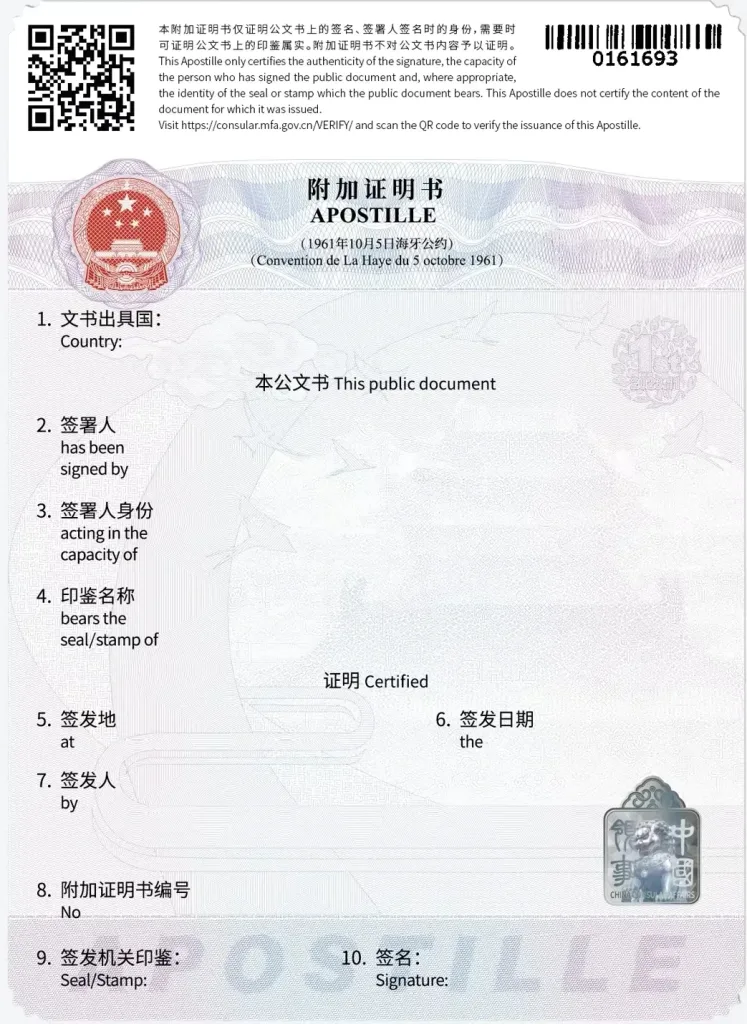
  • Offshore Execution: If the Brazilian client is outside China, the POA must be notarized locally and verified via the Hague Apostille Convention framework to be valid in Chinese courts.
  • Onshore Execution: If the client is physically present in China, they may execute the POA directly before a domestic notary public or perform an in-person verification with the presiding judge.

III. Strategic Growth Sectors: Emerging & Established Verticals

1. Primary Established Sectors

  • New Energy Vehicles (EVs): Chinese manufacturers dominate the local consumer shift. By April 2026, BYD achieved a monthly retail volume of 14,911 vehicles in Brazil, capturing a 12.8% market share and securing the top position in total retail automotive sales.
  • Clean Energy & Infrastructure: The China-Brazil Science and Technology Innovation Center is fully operational. State Grid has commenced construction on major ultra-high-voltage (UHV) DC transmission lines, while manufacturers like JA Solar and Goldwind lead the renewable market.
  • Critical Minerals: Institutional acquisitions are highly active. China Molybdenum (CMOC) completed a USD 1.015 billion acquisition of four operating gold mines in Brazil within a 40-day timeframe, while Chinalco collaborated with Rio Tinto to secure a 68.6% stake in Albras for approximately RMB 6.286 billion.
  • Cross-Border E-Commerce: Shopee leads total order volumes, complemented by the aggressive expansion of SHEIN, Temu, and TikTok Shop as high-growth market entrants.

(source:xinhua news agency)

2. Future Investment Frontiers

  • Bioeconomy & Carbon Credit Trading: Supported by the joint USD 1 billion China-Brazil Sustainable Development Fund targeting green technologies and carbon-neutral initiatives.
  • Fintech & Artificial Intelligence: High prioritization for Information and Communications Technology (ICT), IoT deployment, and integrated fintech infrastructure.
  • Agrotech & Precision Agriculture: Growing market demand for smart agricultural hardware, automated farming systems, and digital transformations across food processing supply chains.

(source:xinhua news agency)

Conclusion

The implementation of bilateral visa-free entry is a structural catalyst for cross-border commerce, but technological and operational mobility must match regulatory compliance. Whether executing an outbound strategy into the South American market or protecting corporate rights within China, navigating localized legal frameworks with expert counsel is essential to safeguarding corporate growth.

Disclaimer & Copyright: This article is co-authored by Mandy Wu and Yu Yuting. The insights shared are for general compliance trends only and do not constitute formal legal advice.As a specialized cross-border legal institution, Neo-Ark Law Firm provides comprehensive global compliance and rights-protection support for expanding enterprises. For more international legal updates, please visit the Neo-Ark Law Firm Official Websites (https://www.neoarklawyers.com/news).

Can a confidential conversation with an Artificial Intelligence platform be subpoenaed and used to convict you in a court of law? A recent landmark ruling in the United States says yes.

Bradley Heppner, the former CEO of financial firm GWG Holdings, faced multiple federal charges, including conspiracy to commit securities fraud, wire fraud, making false statements to auditors, and falsifying corporate records. Following his indictment, Heppner input extensive, sensitive details of his case into Anthropic's AI assistant, Claude, generating a 31-page document detailing case analyses and prospective defense strategies.

Subsequent to a search warrant executed by the FBI, federal agents seized the AI chat logs directly from Heppner’s personal devices. US prosecutors moved to introduce these records into evidence to verify whether Heppner had concealed assets or information during the investigation.

On February 17, 2026, the U.S. District Court for the Southern District of New York (S.D.N.Y.) issued an official memorandum ruling that these 31 AI chat logs are not protected by attorney-client privilege or the work-product doctrine. Consequently, the prosecution was granted lawful access to introduce them as trial evidence.

I. Judicial Rationale: Why AI Communications Lack Privilege

Heppner’s defense counsel argued that the strategic consultations with Claude constituted privileged legal preparation and should be immune from government scrutiny. The court decisively rejected this argument, ruling that user inputs and AI outputs operate under the same evidentiary standards as a standard search engine log. The court outlined three primary justifications:

  1. Ineligibility of the Entity: Claude is an algorithmic model, not a licensed attorney. Attorney-client privilege is legally predicated on a trusted, qualified relationship between human professionals. Claude's terms of service explicitly disclaim providing formal legal counsel, invalidating any claim of a legally recognized retainer or agency relationship.
  2. Absence of a Reasonable Expectation of Confidentiality: Anthropic’s privacy policy expressly reserves the right to collect user inputs for model training and to disclose data to third parties, including government regulatory and law enforcement bodies. By agreeing to these terms, the user forfeits any "reasonable expectation of privacy" under the law.
  3. Nature of Use: Because the platform explicitly states it does not provide professional legal opinions, Heppner’s interactions were classified as independent pro se research utilizing a digital utility, rather than seeking counsel from a credentialed professional.

(source: U.S. Air Force)

II. Global Regulatory Landscape: Privacy Terms of 10 Major AI Platforms

Under standard cross-border legal frameworks, electronic data is a globally recognized category of statutory evidence. Unlike common-law jurisdictions, many civil-law systems lack a broad application of "attorney-client privilege" exemptions. If a party inputs admissions of guilt, structural corporate vulnerabilities, or operational execution steps into an AI, these logs can be legally collected as electronic evidence and directly leveraged in sentencing.

1. Model Training & Data Opt-Out Policies

  • International Platforms: Across standard consumer tiers (excluding premium enterprise or dedicated API accounts), user inputs are activated for model optimization by default, requiring proactive manual intervention from the user to opt out.
  • Domestic Platforms: Leading providers reserve the structural right to utilize user queries for algorithmic alignment, creating heightened data-discoverability risks during litigation.
PlatformModel Training StatusKey Structural ProvisionThird-Party Disclosure
OpenAI ChatGPTEnabled by defaultFree tier inputs train models; paid tiers allow users to manually turn off "Chat History & Training".Yes
Anthropic ClaudeEnabled by defaultPersonal tier (Free/Pro/Team) data optimizes models; data retention lasts up to 5 years.Yes
Google GeminiEnabled by defaultFree tier inputs are reviewed by human operators; enterprise tiers exclude training data by default.Yes
Microsoft 365 CopilotDisabled (Enterprise Only)Commercial data protection ensures enterprise tenant data is never utilized for public LLM training.Yes (Affiliates)
DeepSeekEnabled by defaultUser inputs, history, and uploaded files are used for fine-tuning; users can opt out via privacy settings.Unspecified
Baichuan (Doubao)Enabled by defaultInputs and operational metadata train models; adjustable via "Privacy and Permissions" dashboard.Partners/Co-processors
Tencent YuanbaoEnabled by defaultInputs optimize models; requires users to manually navigate settings to toggle off optimization.Pursuant to judicial order
Alibaba Tongyi QianwenEnabled by defaultSystem logs and conversational sequences train models; explicit exemptions apply via opt-out clauses.Pursuant to judicial order
Moonshot AI (KIMI)Enabled by defaultCommunications, documents, and rich media train models; users can toggle off features manually.Affiliates & Service Providers
Baidu ERNIE BotEnabled by defaultCollected dialogue data undergoes de-identification and anonymization protocols before system training.Pursuant to judicial order

(source:gov.uscourts.nysd)

2. Mandatory Disclosures Under Criminal Investigations

A comprehensive analysis of the privacy agreements across all ten major international and domestic platforms confirms a uniform compliance standard: Every platform reserves the right to disclose user data to law enforcement, national security, or regulatory agencies without user consent when executing a valid legal order.

  • OpenAI (ChatGPT): Discloses records to comply with subpoenas, search warrants, or court orders, and to investigate potential terms-of-service violations or fraudulent activity. Subject to global regulatory scrutiny, including a May 2026 Office of the Privacy Commissioner of Canada (OPC) joint report finding data practices non-compliant prior to recent platform updates.
  • Anthropic (Claude): Explicitly reserves the right to disclose records to regulatory authorities. This provision served as a foundational basis for the Heppner ruling. Furthermore, its designation under strategic supply chain frameworks exposes it to rigorous data disclosure oversight.
  • Google (Gemini) & Microsoft (Copilot): Both platforms enforce strict compliance procedures requiring disclosure under valid legal processes across consumer and standard enterprise endpoints. Microsoft publishes annual transparency reports documenting government data access volume.
  • Domestic LLMs (DeepSeek, Doubao, Yuanbao, Tongyi Qianwen, KIMI, ERNIE Bot): All operate under explicit statutory exemptions regarding user consent. Under local data security frameworks, platforms are legally mandated to cooperate without user authorization during criminal inquiries, national security threats, public interest exemptions, or asset freezing mandates (e.g., assisting in unfreezing over RMB 4 million in illicitly flagged deposits).

III. Strategic Takeaways for Enterprise Users & Legal Practitioners

  1. Enforce Strict Data Anonymization: Never input personally identifiable information (PII), banking credentials, sensitive trade secrets, or unmasked case details into public AI environments. Manually adjust platform configurations to opt out of data-retention and training programs.
  2. Deploy Enterprise-Grade, Zero-Retention Architectures: For corporate environments handling protected data, bypass consumer models entirely. Utilize enterprise instances or API endpoints that provide contractually guaranteed "Zero Data Retention" (ZDR) and explicitly exclude user inputs from model optimization pools.
  3. Recognize the Risk of Algorithmic Subpoenas: Understand that when case data is processed on an external server, it generates an enduring digital footprint. Under global regulatory compliance exemptions, regulatory and judicial bodies possess the authority to compel platforms to hand over these server-side logs during an active investigation.
  4. Mandate Professional Human Oversight: AI outputs must never be treated as definitive legal or professional authority. As shown in recent California appellate sanctions where an attorney was fined $10,000 for submitting 21 AI-fabricated precedents, all generative material must undergo rigorous verification by qualified counsel prior to formal submission.
  5. Strict Professional Guardrails for Attorneys: Processing client materials through public LLMs can constitute a direct breach of an attorney's professional duty of confidentiality. Counsel must formally advise clients against inputting case details into public models to protect case strategy and isolate liability exposure.

Conclusion

The ruling in the Heppner case does not reshape fundamental evidentiary laws; rather, it applies long-standing doctrines of privilege and privacy to the frontiers of generative technology. As enterprises integrate AI into their operational workflows, maintaining an accurate equilibrium between technological agility and regulatory compliance is paramount. The realization that AI chats can serve as evidence in a prosecution underscores a clear directive: proactive digital risk management remains an indispensable asset.

Disclaimer & Copyright: This article is co-authored by Mandy Wu and Yu Yuting. The insights shared are for general compliance trends only and do not constitute formal legal advice.As a specialized cross-border legal institution, Neo-Ark Law Firm provides comprehensive global compliance and rights-protection support for expanding enterprises. For more international legal updates, please visit the Neo-Ark Law Firm Official Websites (https://www.neoarklawyers.com/news).

China's first effective judicial ruling on reputation infringement caused by Artificial Intelligence (AI) has triggered intense discussion across global tech and legal sectors. Nanjing attorney Li Xiaoliang successfully sued Baidu after its generative AI platform fabricated a response stating he had been "sentenced to three years in prison," complete with an incorrectly matched photograph.

Baidu’s defense—arguing that "AI hallucinations are inherently uncertain, technologically neutral, and part of an evolving developmental phase"—was rejected by both trial and appellate courts. The judiciary ruled that generative AI outputs are subject to defamation and tort laws, ordering Baidu to issue a formal written apology. As of May 2026, Baidu has failed to comply, prompting the plaintiff to file for compulsory enforcement.

This landmark case establishes a critical judicial precedent for the boundaries of platform liability regarding algorithmic errors.

(source:Baidu)

I. Decoding "AI Hallucination": The Root Cause

AI hallucination refers to instances where Large Language Models (LLMs) generate content that appears fluent and factually persuasive but is entirely false or unsupported by training data.

Rather than a simple software bug, hallucination is a byproduct of the probabilistic token-prediction mechanism inherent to LLMs. Instead of retrieving verified facts like a traditional search engine, an LLM predicts the next most statistically probable word.

Primary Types of AI Hallucinations:

  • Fact Distortion: Fabricating non-existent events, financial statistics, or legal metrics.
  • Source Fabrication: Inventing fictional citations, academic papers, or legal precedents.
  • Logical Disconnects: Outputting flawed arguments through a superficially coherent reasoning chain.
  • Identity Commingling (Misattribution): Conflating individuals with similar names or backgrounds. (The Li Xiaoliang case fell into this category, as the AI misattributed a non-existent criminal profile to a licensed attorney).

II. Framework of Liability: The Legal Reality of Algorithmic Errors

Under current PRC civil and regulatory frameworks, AI hallucinations do not operate in a legal vacuum.

1. Civil Tort Liability (PRC Civil Code, Article 1024)

The right to reputation is protected irrespective of whether the infringing content was authored by a human or generated by an algorithm. When an LLM outputs defamatory, false information that points to an identifiable individual or entity, it satisfies the criteria for systemic reputation infringement.

2. Administrative Regulatory Duties

Pursuant to the Interim Measures for the Management of Generative Artificial Intelligence Services, service providers must deploy robust measures to improve data quality, ensuring the truthfulness, accuracy, and objectivity of training sets. Platforms must act swiftly upon receiving infringement notices to mitigate liability.

3. Fault-Based Liability Principle

Judicial consensus dictates that generative AI providers are subject to a fault-based liability standard. Fault is determined by evaluating whether the platform had the technical capability and commercial opportunity to prevent the harm but failed to meet industry-standard duty of care.

Judicial Benchmark: In the Li case, the court noted that peer LLMs (such as Doubao and DeepSeek) did not generate the same defamatory error when queried, proving that the defendant failed to meet the baseline compliance standards of the industry.

III. International Precedents: The Proliferation of Fictional Citations

The liabilities surrounding AI hallucinations are escalating globally, particularly within high-stakes professional fields:

  • China (Domestic Commercial Dispute): In 2025, the Tongzhou District People’s Court of Beijing discovered that litigation documents submitted by a plaintiff's counsel contained entirely fictional judicial precedents generated by an LLM (e.g., matching real case serial numbers to completely fabricated facts). The court rejected the briefs and formally sanctioned the attorney.
  • United States (Sanctions for AI Citations): In California, attorney Amir Mostafavi was fined $10,000 by the Court of Appeal after using ChatGPT, Claude, Gemini, and Grok to draft and cross-verify an appellate brief. Despite using multiple models, the final text contained 21 completely fabricated case citations. The court published a formal disciplinary opinion warning the bar against unverified algorithmic reliance.

IV. Strategic Compliance Advice: Rights Protection & Platform Risk Management

For Users & Enterprise Victims of AI Infringement:

  1. Immediate Evidence Preservation: Secure timestamped screen recordings, source codes, and interface captures. Continuous logging over an extended duration is essential to prove the persistence of the infringement.
  2. Formal Cease-and-Desist Notifications: Transmit formal legal letters via official platform channels. A platform’s failure to implement swift takedown or filtration mechanisms upon notice increases its punitive risk exposure.
  3. Targeted Litigation Claims: Litigants may petition for immediate cessation of generation, public retractions, and compensatory damages. Note: Claims for economic compensation must be backed by quantifiable evidence of financial loss or clinical psychological duress.

For AI Platform Developers & Operators:

  1. Data Provenance & Source Auditing: Implement rigorous compliance gates for training datasets, checking for data integrity and intellectual property alignment.
  2. Real-Time Safety & Alignment Filtering: Deploy advanced reinforcement learning (RLHF) and dynamic retrieval-augmented generation (RAG) to cross-check outputs against verified external knowledge bases.
  3. Responsive Takedown Protocols: Build low-friction, rapid-response reporting mechanisms to isolate, modify, or delete infringing parametric weights and generated data strings upon user complaint.

(source:JD Supra)

Conclusion

As generative technologies scale globally, the judiciary is drawing definitive compliance boundaries: commercial platforms cannot harvest the financial benefits of AI traffic while outsourcing the legal liabilities to technology's inherent flaws.

Large language models may experience hallucinations, but legal liability remains an absolute reality.

Disclaimer & Copyright: This article is co-authored by Mandy Wu and Yu Yuting. The insights shared are for general compliance trends only and do not constitute formal legal advice.As a specialized cross-border legal institution, Neo-Ark Law Firm provides comprehensive global compliance and rights-protection support for expanding enterprises. For more international legal updates, please visit the Neo-Ark Law Firm Official Websites (https://www.neoarklawyers.com/news).

As comprehensive strategic collaborative partners, China and Russia share deep historical ties and a robust political foundation. According to data from the General Administration of Customs of China, Russia supplied 31.86 million tons of crude oil to China in the first quarter of 2026, building upon the approximately 100.7 million tons delivered throughout 2025.

However, alongside this rapid expansion in bilateral trade volume, legal risks and commercial disputes have surged. This guide systematically evaluates the compliance screening protocols, analyzes the primary categories of commercial disputes, and outlines actionable dispute resolution and risk management strategies. For practical clarity, this analysis focuses on the procurement of Russian refined oil products as a primary case study.

Driven by rising global oil prices caused by supply disruptions in the Strait of Hormuz, importers are demonstrating a steadily growing interest in Russian oil. Source:CCTV4)

I. Preliminary Compliance Review

1. Product Category Compliance Verification

  • Regulatory Alignment: Thoroughly cross-check the target procurement categories against current restriction lists (e.g., specific seasonal bans such as gasoline export restrictions imposed between April and July).

2. Verification of Trading Entities

  • The Russian Seller: Verify that the exporter holds a valid export license issued by the Ministry of Energy of the Russian Federation. Conduct rigorous background checks on corporate registration documents and tax registration certificates.
  • The Chinese Buyer: Ensure the importing entity possesses the mandatory refined oil import qualifications (registered with the Ministry of Commerce) and a Hazardous Chemicals Operation License, where applicable.
  • Verification Channels: Validate the authenticity and operational standing of the seller through the Economic and Commercial Office of the Chinese Embassy in Russia or the Russian Embassy in China.

3. Compliance-Oriented Contract Drafting

  • Explicit Classification: Clearly specify non-gasoline categories (e.g., diesel or other refined distillates) within the contract to avoid classification ambiguities that could trigger automated regulatory blocks.
  • Compliance Guarantees: Embed explicit warranty clauses wherein the seller guarantees that the products fully comply with Technical Regulations of the Customs Union (TR CU) standards and are clear of any export embargoes.
  • Settlement Frameworks: Prioritize Renminbi (RMB) settlement mechanisms, which have become the mainstream financial infrastructure for China-Russia energy trade.

(On 7 April, Mikhail Mishustin chaired a meeting on the development strategy for the fuel and energy sector, Source:http://government.ru)

II. Customs Compliance Clearance and Delivery Confirmation

1. Russian Export Customs Declaration (Seller's Responsibility)

  • Documentation Suite: Submit the export customs declaration, commercial contract, commercial invoice, packing list, certificate of origin, and declaration of quality conformity.
  • Digital Filing: Execute declarations electronically through the official portal of the Federal Customs Service (FCS) of Russia.
  • Compliance Core: Ensure that the export category does not overlap with active restriction lists and provide proofs of intergovernmental agreements if required.

2. Chinese Import Customs Declaration (Buyer's Responsibility)

  • Pre-Declaration: Submit electronic customs declarations via the China International Trade Single Window platform.
  • Documentary Audit: Customs authorities will cross-examine the contract, commercial invoice, bill of lading, certificate of origin, and corporate conformity declarations.
  • Inspection and Testing:
    • Hazardous Materials: Regulated hazardous chemicals (including gasoline and diesel) must undergo mandatory port-of-entry inspections and sampling to ensure conformity with China’s National Standards (GB Standards).
    • Consumption Tax Declaration: File appropriate consumption taxes utilizing the metric unit conversion metrics mandated under Announcement No. 144 of the General Administration of Customs.
  • Duty Payment & Release: Settle all applicable import tariffs, Value-Added Tax (VAT), and consumption taxes to secure official customs clearance.

3. Transportation Compliance

  • Pipeline Transport: Logistics must strictly conform to the Measures of the Customs for the Supervision and Administration of Energy Products Imported via Pipeline Transportation (General Administration of Customs Decree No. 204).
  • Maritime / Railway Freight: Engage logistics carriers holding verified certifications for hazardous cargo transport and ensure they provide formal transportation safety certificates.

4. Leakage Prevention Schemes

  • Comprehensive emergency response plans for spill and leakage prevention must be established for all transport and storage phases, demonstrating full alignment with environmental protection standards.

5. Delivery Confirmation

  • Joint Inspection: Both trading parties must execute a joint physical verification upon arrival and co-sign the official cargo delivery and receipt notes.
  • Audit Trail: Retain all transactional, logistics, and customs documentation for a minimum statutory period of 5 years to satisfy potential retrospective customs audits.

(Source: http://government.ru)

III. Major Types of Disputes in China-Russia Trade

1. Contract Performance Disputes

  • Product Quality Discrepancies: Quality variances are the most frequent point of friction in bulk commodity trading. Buyers must aggressively utilize their contractual rights to sample, test, and object.Case Study Note: Hidden defects require pre-agreed testing agencies, strict chain-of-custody sampling, and clear allocations for handling costs. Importers should prioritize trusted, neutral domestic testing labs while stipulating who bears intermediate costs (demurrage, storage, transport) during dispute resolution. For example, in crude transactions, off-spec parameters in moisture, sulfur, mechanical impurities, or organic chlorides can corrode refinery infrastructure. Past precedents have seen Russian pipeline crude spike wildly in organic chlorides (reaching 30–200 ppm against a standard $\le$ 10 ppm), forcing downstream refineries to halt operations and claim massive equipment damages.
  • Force Majeure Interpretations: Global trade operates under high uncertainty, and the Civil Code of the Russian Federation does not explicitly enumerate a fixed list of Force Majeure events; courts evaluate cases on an individual basis. Beyond natural disasters, contracts must explicitly detail geopolitical disruptions (e.g., pandemics, active warfare, sanctions). In oil trading, this includes pipeline shutdowns due to contamination or conflict (e.g., historic halts on the Druzhba pipeline), port blockades, export bans, asset seizures, or the disconnection of banking channels. Conversely, remember that Russian law explicitly excludes counterparty default, lack of market funds/goods, general economic crises, currency fluctuations, and common criminal activity from Force Majeure protections.
  • Breach Penalties: Penalty clauses act as both a deterrent and the baseline for damages recovery. The Russian Civil Code primarily recognizes compensatory damages and liquidated damages (monetary debts can accumulate interest). For high-value, long-cycle energy contracts, explicitly define penalties for these specific breaches:
    • Off-spec Delivery: Seller covers re-testing costs, purification fees, and buyer business-interruption losses.
    • Delivery Delays: Seller covers port demurrage and the price differential for the buyer purchasing replacement oil on the spot market.
    • Payment Delays: Buyer pays contractual default interest and offsets capital tied-up losses.
    • Unauthorized Route Deviations: Any unilateral change to pipeline nodes or cargo vessels renders the breaching party liable for all resultant freight and warehousing surcharges.

(Source:CCTV4)

2. Settlement and Foreign Exchange Controls

  • Currency & Channels: Due to ongoing international sanctions, numerous Russian financial institutions are disconnected from the SWIFT network. Currently, local currency settlement for China-Russia trade exceeds 90%, with over 200 Russian banks integrated into China's Cross-Border Interbank Payment System (CIPS). Avoid trading in USD or EUR; prioritize Cross-Border RMB. Be advised that navigating compliance under sanction regimes can introduce approximately 7% in friction costs.
  • Foreign Exchange Controls: Under Russian federal statutes, foreign currency transactions between Russian residents or resident enterprises are generally prohibited. Non-residents may transfer funds between offshore accounts or authorized local banks. Additionally, cross-border transport of foreign currency cash exceeding an equivalent of $10,000 USD is prohibited.

3. Intellectual Property (IP) Risks

  • Customs Protection Borders: The Federal Customs Service of Russia enforces border protections for copyrights, neighboring rights, and trademarks during import/export. These protections do not extend to transit goods, personal-use effects, or items destined for diplomatic missions.
  • Enforcement Actions: If suspected infringing goods are detected at the border, customs authorities will temporarily seize the shipment and notify both the cargo owner and the IP rights holder. The cargo owner may destroy the goods upon the rights holder's consent. If the customs authority cannot conclusively verify infringement or if the rights holder rescinds the application, the goods will be released, leaving the rights holder to pursue civil litigation and injunctions in court.

(As of 25 March, countries including the Philippines, Thailand, Indonesia and Sri Lanka have successively expressed their willingness to purchase oil from Russia and have already begun relevant negotiations with the Russian side. Philippine President Marcos, Source:CCTV4)

IV. Dispute Resolution in China-Russia Trade

1. Mediation: CCPIT & RCCI Joint Cooperation

  • The China Council for the Promotion of International Trade (CCPIT) and the Russian Chamber of Commerce and Industry (RCCI) offer joint alternative dispute resolution mechanisms. Utilizing a combined panel of legal experts, trade professionals, and bilingual mediators, this path offers high flexibility, lower costs, and total confidentiality compared to traditional litigation—allowing enterprises to settle quality and performance disputes without destroying long-term commercial relationships.

2. Cross-Border Arbitration and Institutional Jurisdiction

  • The China-Russia Treaty on Judicial Assistance in Civil and Commercial Matters guarantees mutual recognition and enforcement of judicial rulings. For Chinese firms, anchoring the contractual jurisdiction within trusted domestic international arbitration forums offers optimal cost control and limits cross-border legal exposure:
    • CIETAC (China International Economic and Trade Arbitration Commission): As China's most historically established foreign-related arbitration body, its awards are enforceable across more than 170 nations under the New York Convention. CIETAC hosts specialized bilateral platforms tailored for China-Russia commercial disputes, which have seen rapid caseload growth and high cross-border enforcement success rates.
    • Regional Arbitration Alternatives: For enterprises based in southern economic hubs, the Guangzhou Arbitration Commission (GAAC) and the Shenzhen Court of International Arbitration (SCIA) possess extensive international experience and yield awards with identical global enforceability.
    • Neutral Third-Country Venues: If the transaction demands a neutral third-country setting, the Singapore International Arbitration Centre (SIAC) remains the preferred international choice for complex, high-value commodity trade disputes.

(Source:CIETAC)

V. Risk Prevention & Control

1. Fraud and Scam Prevention

Exhibitors must remain vigilant against sophisticated trade scams by adhering to safety alerts issued by official trade authorities:

  • Virtual Red Flags: Be highly suspicious of communications originating from forwarding telephone numbers or unverified virtual lines.
  • Banking Audits: Rigorously verify that the seller’s receiving bank account is a fully regulated, onshore Russian institution rather than an unmonitored offshore shell account.
  • Secure Payment Architecture: Reject high-risk "payment before shipment" demands. Instead, utilize secure trade finance instruments like Letters of Credit (L/Cs).

2. Sanctions Compliance

  • Due Diligence Screening: Conduct rigorous Know-Your-Customer (KYC) screening against UN, EU, and other relevant international sanctions databases to ensure no transaction touchpoints involve blocked entities or designated individuals.
  • Currency De-risking: Exclusively employ national currency settlement channels (RMB/Ruble) to circumvent clearing risks tied to Western financial systems.

Conclusion

As China-Russia trade scales new heights, the precise structure of contract clauses serves as an enterprise's primary shield. Clear, exhaustive terms covering quality inspections, Force Majeure boundaries, breach remedies, and clearing currencies are vital to insulating your business from structural shocks. Should an issue arise, leverage specialized bilateral mediation and international arbitration frameworks. Stay agile amid fast-shifting trade controls, build robust internal compliance architectures, and secure timely counsel from international legal experts to confidently capture global opportunities.

Appendix 1: Search Tools & Resources

  1. Russian Government Portal: For the latest federal decrees, export bans, and trade policies. (http://government.ru)
  2. Eurasian Economic Commission (EEC): Official portal for checking TRCU technical regulations and compliance conformity standards. (https://eec.eaeunion.org)
  3. General Administration of Customs of China (GACC): For access to import declaration templates, tariff classification systems, and filing guides. (http://www.customs.gov.cn)
  4. Economic and Commercial Office of the Chinese Embassy in Russia: For bilateral trade risk advisories, market access notices, and compliance counseling. (https://ru.mofcom.gov.cn)

Document NameIssuing AuthorityCompliance RequirementOfficial Framework
Sale and Purchase Agreement (SPA)Contracting PartiesMust align with regulatory limits; must explicitly state product quantity, grade, pricing mechanisms, and delivery terms.Ministry of Energy Export Regulations
Certificate of OriginRussian Chamber of Commerce and Industry (RCCI)Requires formal notarization; functions as the critical document to claim preferential tariff treatments.EAEU Customs Union General Rules
Declaration of Quality ConformityRussian Producer/RefineryMust certify compliance with TR CU 013/2011 standards and include detailed chemical batch analyses.EAEU Technical Regulations
Safety Data Sheet (SDS/MSDS)Russian ProducerMust be provided in a localized English/Chinese translation conforming precisely to standard national formats.GACC Announcement No. 144 / Manzhouli Customs Guidelines
Export LicenseMinistry of Energy of the Russian FederationMandatory for all regulated energy products and refined distillates clearing Russian borders.Russian Federation Export Control Law
Third-Party Inspection ReportEAEU Accredited Testing AgencyIndependent laboratory verification confirming product parameters meet target market standards.TR CU 041 Certification Requirements
Disclaimer & Copyright: This article is co-authored by Mandy Wu and Yu Yuting. The insights shared are for general compliance trends only and do not constitute formal legal advice.As a specialized cross-border legal institution, Neo-Ark Law Firm provides comprehensive global compliance and rights-protection support for expanding enterprises. For more international legal updates, please visit the Neo-Ark Law Firm Official Websites (https://www.neoarklawyers.com/news).

The 139th Canton Fair is currently in full swing, with "Made in China" innovations in AI and robotics capturing global attention. As many Chinese enterprises transition from "product export" to "technology export," a dangerous assumption is circulating: "Since we developed the technology and hold the independent intellectual property rights, we can freely transfer it to our overseas subsidiaries."

(Source: Guangzhou Daily)

This logical fallacy is a compliance trap that can lead to severe legal penalties. NEO-ARK Law Firm warns that "Independent IP" does not equal "Freedom of Disposal."

I. How Prevalent is This Myth?

This misunderstanding is widely present in three main scenarios:

  1. Intra-group Technology Sharing: The domestic parent company directly provides technical drawings, source code, process flows, or technical support to its overseas subsidiaries.
  2. Relocation of Core Teams: Moving all or part of a core R&D team abroad and establishing overseas R&D centers to continue development.
  3. Technology Delivery in Cross-border M&As: An overseas entity acquires a Chinese tech company, where the transaction includes core technologies developed within China.

(Source: Guangzhou Daily)

II. Why "Independent IP" Does Not Equal "Freedom of Disposal"

Many companies believe that since they developed the technology and own the patents, their overseas subsidiaries should naturally be free to use them. This involves three critical legal concepts:

1. Technology Ownership ≠ Exemption from Export Control

Whether a technology is subject to export control depends on whether its technical parameters, performance indicators, and potential end-uses fall within the scope of the Dual-Use Items Export Control List, the Catalogue of Technologies Prohibited or Restricted from Export of China, or announcements issued by the Ministry of Commerce (MOFCOM). This status is entirely independent of who developed the technology or who holds the patent.

In other words, even for self-developed technology, if its technical indicators meet the thresholds defined in the control lists, its cross-border transfer must be subject to an export license application.

2. Providing Technology to Subsidiaries Also Constitutes "Export"

According to Article 2 of the Export Control Law, export control actions include two major categories: first, the transfer of controlled items from mainland China to overseas; second, the provision of controlled items by Chinese citizens, legal persons, or non-incorporated organizations to foreign organizations or individuals. This means:

  • (1) A domestic parent company providing controlled technology to an overseas subsidiary constitutes a technology export.
  • (2) Regardless of their physical location, a Chinese citizen providing controlled technology to a foreign entity also constitutes an export act.
  • (3) Providing technology to foreign individuals during cross-border M&As similarly triggers export control obligations.

"Providing it to a subsidiary" does not mean "it hasn't been exported"—as long as the technology crosses a border or is provided to a foreign entity, it may trigger export control compliance duties.

3. Control Lists are Dynamically Updated

Since its first release in 2001, the Catalogue of Technologies Prohibited or Restricted from Export of China has undergone several adjustments. On July 15, 2025, MOFCOM, in conjunction with the Ministry of Science and Technology, adjusted the Catalogue again, involving new and modified items such as preparation technologies for battery cathode materials and non-ferrous metal metallurgy technologies. Earlier this year, MOFCOM issued multiple announcements incorporating overseas rare earth-related items and technologies into the license management framework.

This means a technology that was "free" last year might be subject to control this year. Enterprises must continuously track policy changes to avoid inadvertently violating regulations.

(Source: Guangzhou Daily)

III. Insights for Exhibiting Enterprises

1. Conduct Compliance Assessments Before Cross-border Transfer

Before transferring any technology (including drawings, source code, process flows, etc.) to an overseas subsidiary, conduct a compliance assessment against the latest Dual-Use Items Export Control List and the Catalogue of Technologies Prohibited or Restricted from Export. Do not take for granted that "what we developed can be transferred freely."

2. Establish Internal Cross-departmental Communication

R&D teams are experts in technology but may lack knowledge of control lists, while compliance departments understand the regulatory framework but may struggle with deep technical details. Enterprises need to bridge this information gap and complete joint compliance assessments before technology is transferred abroad.

3. Continuously Track Policy Dynamics

Control lists are constantly updated. Enterprises should regularly monitor announcements from MOFCOM and the General Administration of Customs (GACC). When in doubt, it is highly recommended to consult a professional legal team to avoid "assuming" that a transfer is permissible.

(Source: Guangzhou Daily)

Conclusion

While technologies may shine at the Canton Fair, ensure your global expansion doesn't falter due to "common sense" assumptions. Owning the technology does not mean you can freely provide it to an overseas company. Asking "Is this compliant?" before crossing the border can save your business from significant legal pitfalls.

Disclaimer & Copyright: This article is co-authored by Mandy Wu and Yu Yuting. The insights shared are for general compliance trends only and do not constitute formal legal advice.As a specialized cross-border legal institution, Neo-Ark Law Firm provides comprehensive global compliance and rights-protection support for expanding enterprises. For more international legal updates, please visit the Neo-Ark Law Firm Official Websites (https://www.neoarklawyers.com/news).

On April 15, 2026, the 139th Canton Fair opened at the Canton Fair Complex in Guangzhou. Running until May 5, this session spans 1.55 million square meters, hosting over 32,000 exhibitors—surpassing all previous records.

As a vital window for international trade, the Canton Fair is the core platform for showcasing innovation. However, improper handling of Intellectual Property (IP) can lead to exhibit removal, seizure, or international litigation. NEO-ARK Law Firm has compiled this legal guide to help exhibitors navigate these risks.

(Source: Guangzhou Daily)

I. Risk Avoidance

Exhibitors can mitigate IP risks through proactive measures:

  • Advance Reporting: Truthfully report the IP status of your exhibition projects to the organizers.
  • Negotiation and Licensing: If your products may encroach upon third-party rights, engage professional legal counsel to negotiate licensing before the exhibition.
  • Technical Modification: For potential conflicts, modify technical solutions or replace trademark logos to ensure compliance.
  • Proactive Enforcement: If known infringers are participating, prepare evidence and enforcement measures, including potential litigation, in advance.

(Source: Guangzhou Daily)

II. Handling Infringement as a Rights Holder

If your rights are infringed upon on-site:

  1. Evidence Collection: Immediately gather proof of infringement and verify the validity of your own rights.
  2. Warning and Complaint: Issue a warning letter and file a formal complaint with the Fair's IP Dispute Resolution Office.
  3. Legal Escalation: If the party refuses to rectify the situation, transfer materials to the local IP management department for legal handling.

(Source: Guangzhou Daily)

III. Responding to Infringement Complaints

Being complained against is not an admission of guilt. Take these steps:

  1. Active Cooperation: Comply with investigations by the organizers and submit truthful evidence within the required time limits.
  2. Professional Assessment:
    • If risk is confirmed: Proactively withdraw the exhibit, communicate with the complainant to seek settlement, and mitigate potential damage to your participation eligibility.
    • If non-infringement is confirmed: Submit legal opinions and evidence to request the resumption of display. You reserve the right to pursue damages for malicious complaints.

 (Source: https://www.cantonfair.org.cn/)

NEO-ARK Tip: IP risk screening is critical to protecting your business during exhibitions. Strengthen your early-warning capabilities and dispute resolution proficiency to ensure a seamless international trade experience.

Recently, eight lawyers from NEO-ARK Law Firm—Liu Minghong, Liu Jun, Chen Meijuan, Tan Huiyi, Li Wanjun, Fang Zhilin, Yu Yuting, and Xie Guizhen—were officially appointed as "Senior Lecturers" at Guangdong Jiangnan Institute of Technology.

Guangdong Jiangnan Institute of Technology is a national key senior technical institution dedicated to cultivating high-quality, skilled professionals. Renowned for its motto of "Learning, Skill, Virtue, and Professionalism," the college has a long-standing reputation in vocational education. It serves as a vital talent hub for the Guangdong-Hong Kong-Macao Greater Bay Area, consistently providing the region with graduates who possess both professional expertise and high vocational standards.

This appointment is a strong recognition of the professional capabilities of NEO-ARK LAW FIRM’s legal team. It also establishes a collaborative bridge between the law firm and the academic institution for practical teaching and talent development. Moving forward, NEO-ARK Law Firm will leverage its professional advantages to deeply engage in curriculum co-construction, legal lectures, and practical guidance. By integrating legal practice with vocational education, NEO-ARK LAW FIRM aims to help cultivate versatile, skilled talents that meet the evolving demands of modern society.

Disclaimer & Copyright: This article is co-authored by Mandy Wu and Yu Yuting. The insights shared are for general compliance trends only and do not constitute formal legal advice.As a specialized cross-border legal institution, Neo-Ark Law Firm provides comprehensive global compliance and rights-protection support for expanding enterprises. For more international legal updates, please visit the Neo-Ark Law Firm Official Websites (https://www.neoarklawyers.com/news).
Scroll to Top

+86 13503030053

BackToTop

Inquiry Inquiry Email Email Tel Tel

Request A Quote

×
Please enable JavaScript in your browser to complete this form.