Skip to content
When individuals encounter debt or property disputes, the urgency to recover funds often leads them to seek quick solutions online. Scammers exploit this anxiety by posing as senior attorneys, promising "100% recovery rates," and collecting substantial fees before abandoning the case or disappearing altogether.
Recently, Attorney Fang Zhilin's team at Guangdong NEO-ARK Law Firm successfully assisted a victim in filing a criminal complaint against a bogus attorney. By organizing a complete chain of evidence, the team helped the client report the matter to public security authorities.
The case was officially opened as a criminal fraud investigation, and the suspect has been placed under criminal detention, with a nationwide fugitive warrant issued. Below is a detailed breakdown of the case, the common tactics used by fake attorneys, and a step-by-step verification guide for legal clients.
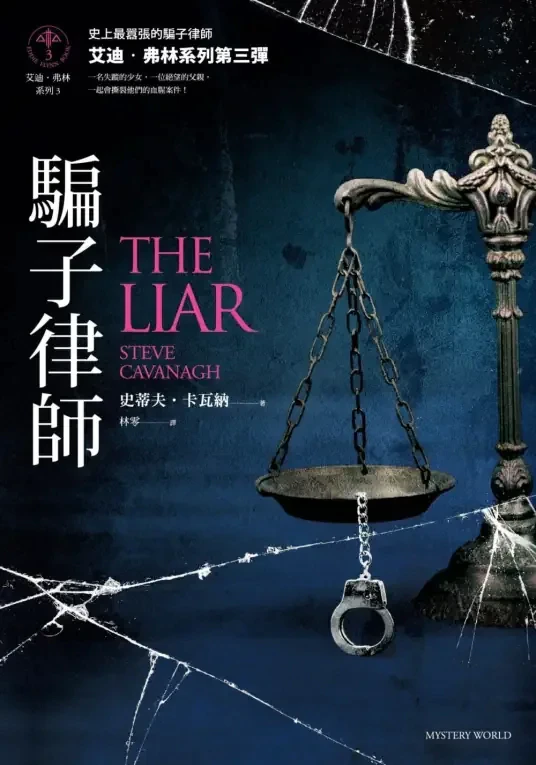
(source:baidu)
I. Case Study: Posing as a Law Firm Director to Defraud RMB 32,000
1. The Scam
Faced with a private lending dispute, the victim, "Zhang San," met a man online who claimed to be a senior law firm director. The suspect showcased fabricated winning precedents, verbally guaranteed a 100% recovery of the debt, and offered a low upfront retainer paired with a contingency fee model.
They signed an agreement stating that all upfront fees would be fully refunded if the debt was not recovered. Following the signing, the suspect repeatedly requested additional payments under various pretexts, including investigation fees, travel costs, and court filing expenses. In total, Zhang San transferred RMB 32,000 directly to the suspect's personal WeChat and private bank accounts without receiving official law firm invoices or visiting a physical law firm.
2. The Inaction
Over two years, Zhang San repeatedly inquired about progress. The suspect continuously offered excuses and failed to initiate any real legal proceedings, such as court filings, litigation, or formal mediation. Furthermore, the suspect falsely represented himself as Zhang San's attorney to third parties, relatives, and the debtor.
3. Criminal Investigation & Detention
Realizing he had been defrauded, Zhang San retained Attorney Fang Zhilin. Attorney Fang systematically compiled WeChat records, bank transfer receipts, written agreements, call recordings, and screenshots of false advertising to establish a complete evidentiary chain.
Attorney Fang drafted a formal criminal complaint and accompanied the client to the public security bureau. Police verification confirmed that the suspect held no legal practice qualification. Because the fraudulent collection of funds met the statutory threshold for criminal fraud under Article 266 of the Criminal Law of the People's Republic of China, the police formally opened a criminal case and placed the suspect under criminal detention.

II. Deconstructing the Four Common Modus Operandi of Fake Attorneys
                    ┌── 1. Fabricating Qualifications & Misleading Credentials
                    ├── 2. Guaranteeing 100% Win Rates & Full Fund Recovery
Modus Operandi ─────┼── 3. Contingency Retainers & Incremental Cash Requests
                    └── 4. Inaction, Subcontracting Trials, or Disappearing
- Fabricating Credentials: Using titles such as "Attorney," "Director," or "Senior Counsel" without holding a Law Practice Certificate (律师执业证) issued by judicial administration authorities.
- Guaranteeing Results: Professional codes of conduct strictly prohibit licensed attorneys from guaranteeing litigation outcomes. Fake attorneys frequently include explicit promises in informal contracts, such as "100% debt recovery" or "full refund upon failure," to disarm the client's vigilance.
- Low Upfront Fees & Incremental Demands: Enticing clients with contingency fee promises ("pay only when recovered"), then continuously requesting additional money for alleged administrative or court expenses. Payments are routinely routed to personal accounts or unaccredited consulting firms.
- Complete Inaction or Unauthorized Subcontracting: After receiving funds, scammers delay court filings or generate generic court documents using templates without attending hearings. Some secretly pay unauthorized individuals to appear in court, often leading to dismissed cases before severing contact with the client.
III. Four-Step Verification Protocol for Authentic Legal Services
Step 1: Check Practice Certificate ──> Verify on Official ACLA Registry Platform
  ↓
Step 2: Inspect Office Premises    ──> Ensure Seal Matches Registered Law Firm
  ↓
Step 3: Transfer to Escrow Account ──> Avoid Personal Accounts & Require Official Invoices
  ↓
Step 4: Formal Contract Execution  ──> Confirm Standard Mandate Agreement Formats
Step 1: Verify the Lawyer Practice Certificate (Primary Step)
- A licensed attorney in China must hold a physical Lawyer Practice Certificate (律师执业证) issued by a provincial Department of Justice.
- Official Online Verification: Check the credentials on the National Lawyer Practice Credit Information Disclosure Platform (全国律师执业诚信信息公示平台:
https://credit.acla.org.cnby entering the attorney's name and license number to confirm their active law firm affiliation. - Note: Employees of legal consulting companies, general corporate legal staff, or citizen agents are not licensed practicing lawyers and are legally barred from charging litigation representation fees under a "lawyer" capacity.
Step 2: Verify the Entity & Require Official Seals
- Exercise caution with individuals operating solely online without a fixed law firm office, or those attempting to execute representation agreements under the name of a "Legal Studio" (法务工作室) or "Consulting Firm" (咨询公司).
Step 3: Remit Funds Only to Corporate Law Firm Accounts
- All legal fees and administrative retainers must be wired directly to the official bank account of the registered law firm. The firm will issue a formal value-added tax (VAT) invoice. Avoid transferring funds to personal WeChat/Alipay accounts or private bank cards.
Step 4: Execute Formal Representation Contracts
- Ensure that the representation agreement uses standard law firm contract templates and bears the official red seal (公章) of the registered law firm.
IV. Action Plan If You Encounter Legal Service Fraud
- Preserve All Digital Evidence: Export complete WeChat chat histories, bank statements, call recordings, promotional screenshots, signed agreements, and witness statements.
- Report to Public Security: File a formal report at the local police station in the jurisdiction where the transaction or fraud occurred.
- Engage Certified Counsel for Criminal Complaints: Retain a certified criminal attorney to review the evidence chain, issue a professional legal opinion, accompany you to file a criminal complaint with law enforcement, and pursue civil asset recovery.
Conclusion
There are no shortcuts in litigation, nor are there genuine attorneys who can guarantee a 100% win rate. When facing debt, contractual, or property disputes, clients should engage established law firms, verify attorney qualifications in person, transfer funds directly to official firm accounts, and execute formal contracts to mitigate fraud risk.
About the Author

Yu Yuting
Partner | NEO-ARK Law Firm
Lawyer Yu focuses on foreign-related litigation, cross-border disputes, commercial matters, and legal services for overseas individuals and businesses in China.
Email: [email protected]
About NEO-ARK Law Firm
NEO-ARK Law Firm provides legal services in foreign-related litigation, commercial disputes, family law, and cross-border legal matters, assisting both international and domestic clients throughout China.