Following a landmark settlement stemming from the European Court of Justice (CJEU) ruling in the Lassana Diarra v. FIFA case, FIFA officially adopted the revised Regulations on the Status and Transfer of Players (2027 RSTP), set for global implementation on January 1, 2027.About Ushttps://www.pinsentmasons.com/out-law/news/fifa-announces-new-player-transfer-regulations-following-diarra-settlement#:~:text=Revamped%20football%20transfer%20rules%20announced%20by%20FIFA,ruling%2C%20they%20did%20not%20go%20far%20enough.
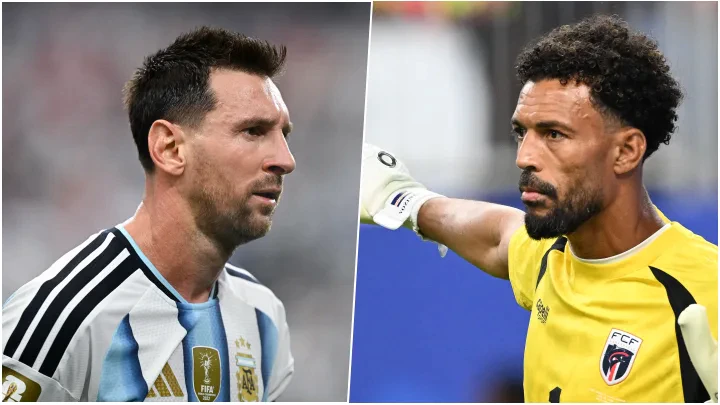
(Lionel Messi and Cape Verde goalkeeper Vozinha competing during the World Cup Round of 32. Source: Xinhua News Agency)
The CJEU determined that FIFA's former transfer restrictions unlawfully impeded the free movement of workers and restricted market competition under EU law. Departing from unilateral rulemaking, FIFA formulated these amendments through collective negotiation via the newly established Global Social Dialogue Platform, alongside FIFPRO, the European Club Association (ECA), and the World Leagues Association (WLA).
This landmark shift marks the evolution of global football governance from unilateral regulatory authority to structured collective bargaining.
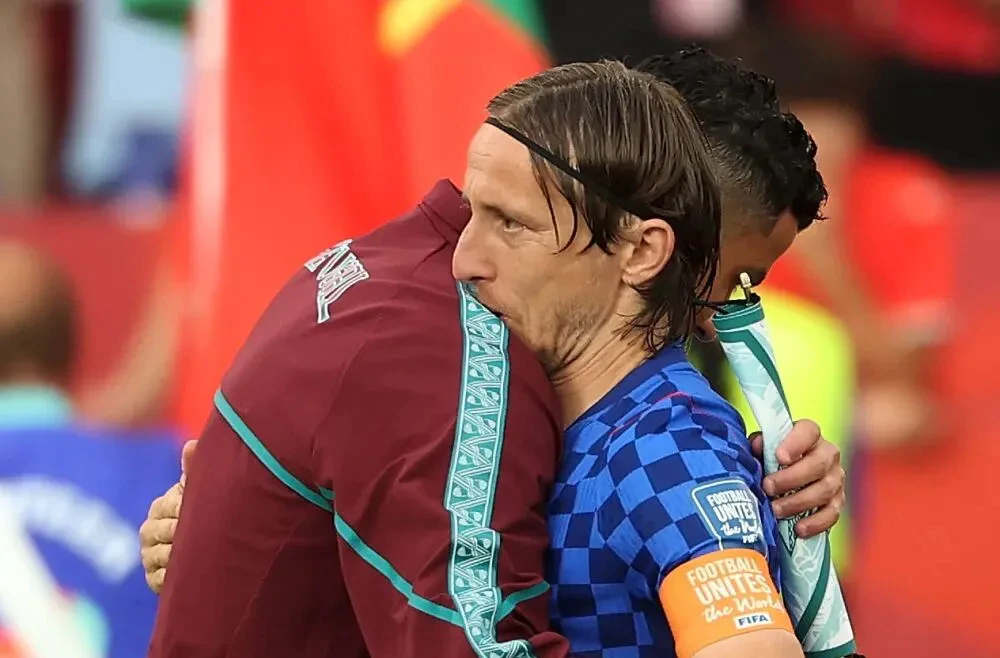
(Cristiano Ronaldo and Luka Modrić on the pitch during the World Cup Round of 32. Source: Xinhua News Agency)
I. Scope and Universal Application
- Regulated Entities: Applies universally to professional football players, professional clubs, national member associations, licensed football agents/intermediaries, and sports dispute resolution bodies (such as the FIFA Football Tribunal and the Court of Arbitration for Sport).
- Geographic Jurisdiction: Universally binding across all 211 FIFA member associations worldwide.
II. Core Structural Changes: Articles 17–21 Breakdown
1. Standardization of Contract Breach Calculations (Article 17)
Historically, unilateral contract terminations without just cause exposed buying clubs to unpredictable compensation awards and joint liability, discouraging the signing of players in contract disputes. The 2027 RSTP introduces two key structural fixes:
- Enforceability of Liquidated Damages Clauses: Validates pre-agreed contractual liquidated damages (buyout clauses). When a buying club meets the pre-agreed valuation, the releasing club cannot impose artificial procedural barriers.
- Standardized Compensation Benchmarks: Establishes predictable compensation floors tied to the residual value of the unfulfilled employment contract, eliminating speculative parameters such as unproven expected commercial revenue. Furthermore, buying clubs face joint financial liability only if proven to have actively induced the breach.
2. Statutory 5% Transfer Fee Equity Cut for Players (Article 21)
For the first time in football history, players hold a statutory right to participate directly in the financial value generated by their transfer fee:
- Lower-Income Players (Earning under €150,000 / year): Entitled to a non-waivable, mandatory 5% direct cut of the fixed transfer fee received by the releasing club.
- Higher-Income Players: May partially negotiate or waive their entitlement. However, the net payment received cannot fall below the higher of:
- (a) The player’s total fixed annual salary during their final contract year; or
- (b) 2.5% of the total fixed transfer fee.
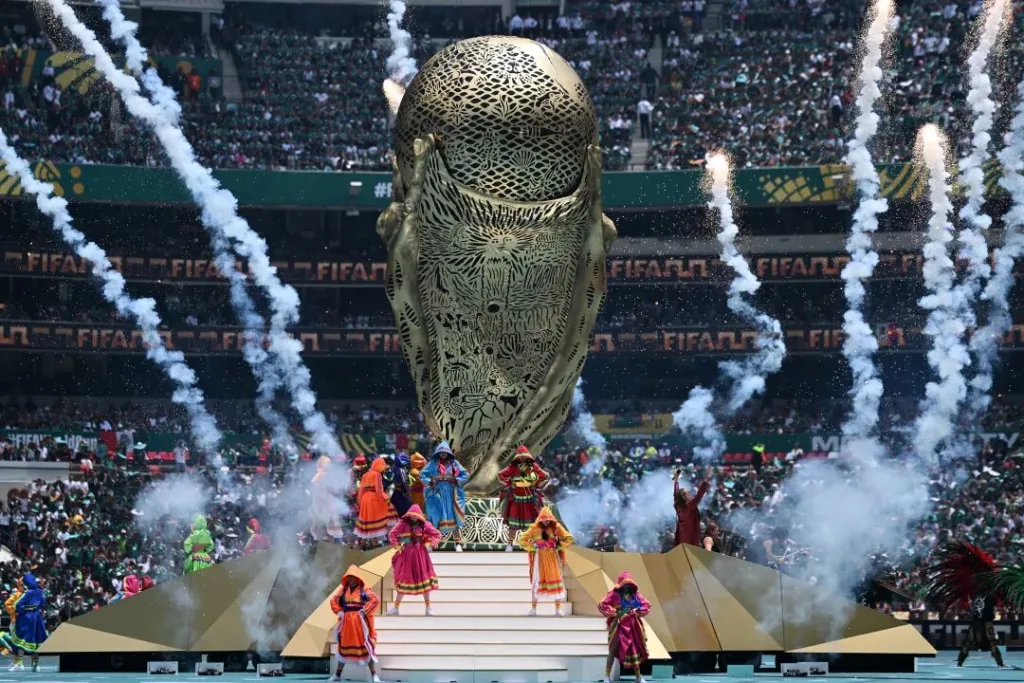
(Opening ceremony performance at the FIFA World Cup. Source: Xinhua News Agency)
3. 5-Year Professional Contracts for Homegrown Academy Minors (Article 18)
To balance player mobility with academy investment protection, the default 3-year cap on professional contracts for minors under 18 can now be extended up to 5 years, provided:
- The player has been registered with the club's academy for at least 20 months or two consecutive competitive periods.
- The contract complies with local minimum wage statutes and respects annual squad allocation limits for long-term youth deals.
4. Tripartite Rulemaking via the Global Social Dialogue Platform
Substantive regulatory modifications regarding transfer frameworks, player welfare, international match calendars, and health standards can no longer be unilaterally enacted by FIFA. Future regulatory changes require formal consensus between FIFA, player unions (FIFPRO), and employer representatives (ECA, WLA) through the Global Social Dialogue Platform.
III. Strategic Legal & Industry Impact
- Redefining Contractual Nature: Employment agreements transition from restrictive, life-binding lock-ins to redeemable commercial employment contracts with transparent buyout valuations and exit mechanisms.
- Prohibition of Constructive Dismissal ("Solo Training"): Explicitly classifies squad exclusions, forced reserve-team demotions, or isolated training regimes as material employer breaches. Affected players gain immediate statutory grounds to terminate their contract for just cause and claim full residual compensation.
- Sophisticated Financial Planning: Cross-border transfer budgets must account for mandatory 5% player distributions, agent commissions, training rewards, and an annualized 8% default interest penalty on late payments, squeezing unearned transfer markups.
IV. Star Player Case Studies Under the 2027 Framework
- Constructive Breach Protections (The Mbappé Scenario): Unilateral exclusions from pre-season tours or isolated training routines—previously legal gray areas—are now statutory employer breaches. Players can immediately cancel their contract for just cause and claim full remaining salary payments.
- Standardized Buyout Clauses (The Haaland Model): Pre-agreed buyout clauses, historically limited to elite negotiations, become the global statutory baseline. Acquiring clubs like Real Madrid or Manchester City can secure talent cleanly by meeting clear buyout thresholds without facing prolonged contractual holds.

(From left to right: Lionel Messi, Neymar Jr., Cristiano Ronaldo, Kylian Mbappé, and Erling Haaland. Source: Xinhua News Agency)
Conclusion
The 2027 RSTP represents a fundamental structural overhaul of global football governance. By pairing substantive legal protections with a collaborative social dialogue platform, the new framework establishes a more balanced, legally compliant, and predictable cross-border transfer market.https://www.pinsentmasons.com/out-law/news/fifa-announces-new-player-transfer-regulations-following-diarra-settlement#:~:text=Revamped%20football%20transfer%20rules%20announced%20by%20FIFA,ruling%2C%20they%20did%20not%20go%20far%20enough.
Disclaimer & Copyright: This article is co-authored by lawyer Yu Yuting and Mandy Wu. The insights shared are for general compliance trends only and do not constitute formal legal advice.As a specialized cross-border legal institution, Neo-Ark Law Firm provides comprehensive global compliance and rights-protection support for expanding enterprises. For more international legal updates, please visit the Neo-Ark Law Firm Official Websites (https://www.neoarklawyers.com/news).