Canton Fair Series Guide: Intellectual Property Risk Avoidance and Dispute Resolution
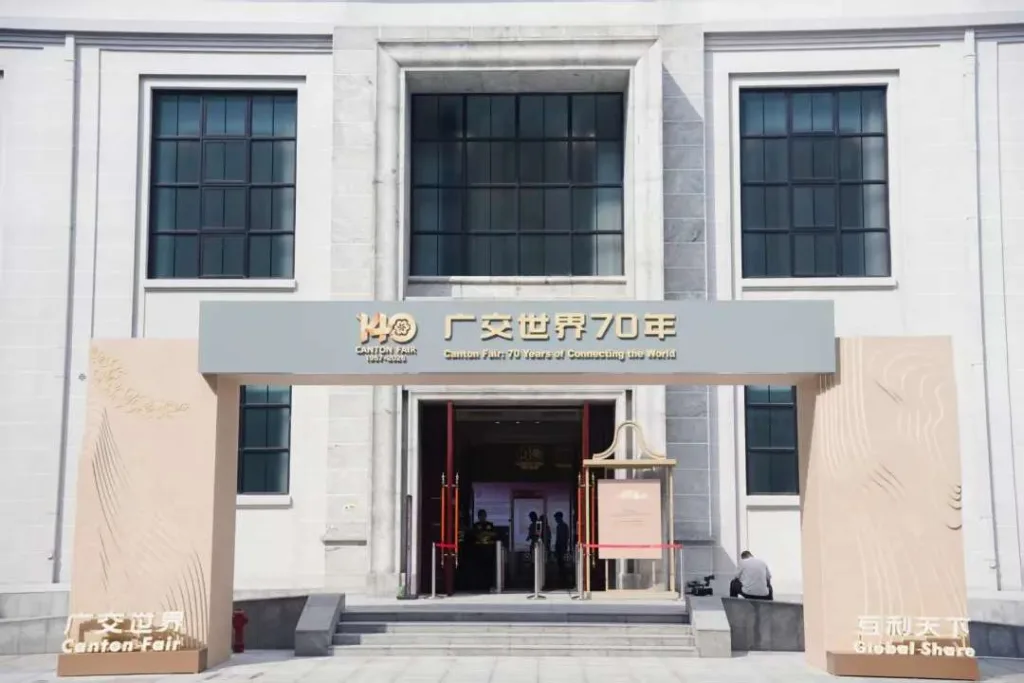
On April 15, 2026, the 139th Canton Fair opened at the Canton Fair Complex in Guangzhou. Running until May 5, this session spans 1.55 million square meters, hosting over 32,000 exhibitors—surpassing all previous records.
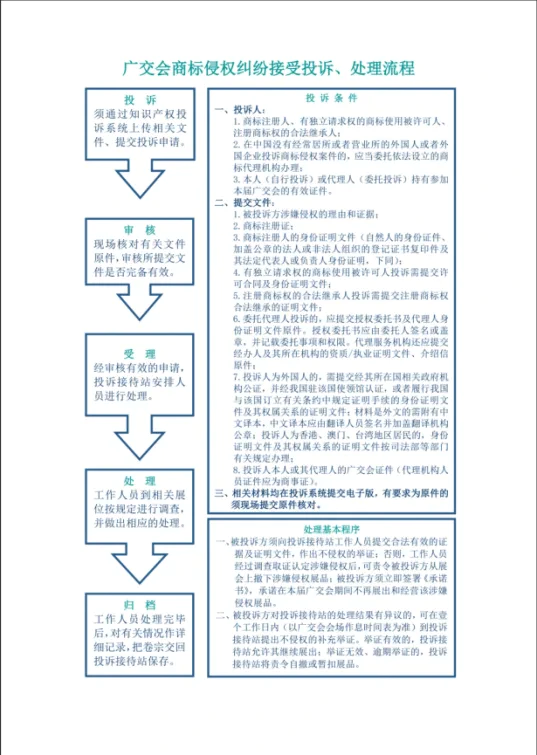
As a vital window for international trade, the Canton Fair is the core platform for showcasing innovation. However, improper handling of Intellectual Property (IP) can lead to exhibit removal, seizure, or international litigation. NEO-ARK Law Firm has compiled this legal guide to help exhibitors navigate these risks.
(Source: Guangzhou Daily)
I. Risk Avoidance
Exhibitors can mitigate IP risks through proactive measures:
Advance Reporting: Truthfully report the IP status of your exhibition projects to the organizers.
Negotiation and Licensing: If your products may encroach upon third-party rights, engage professional legal counsel to negotiate licensing before the exhibition.
Technical Modification: For potential conflicts, modify technical solutions or replace trademark logos to ensure compliance.
Proactive Enforcement: If known infringers are participating, prepare evidence and enforcement measures, including potential litigation, in advance.
(Source: Guangzhou Daily)
II. Handling Infringement as a Rights Holder
If your rights are infringed upon on-site:
Evidence Collection: Immediately gather proof of infringement and verify the validity of your own rights.
Warning and Complaint: Issue a warning letter and file a formal complaint with the Fair's IP Dispute Resolution Office.
Legal Escalation: If the party refuses to rectify the situation, transfer materials to the local IP management department for legal handling.
(Source: Guangzhou Daily)
III. Responding to Infringement Complaints
Being complained against is not an admission of guilt. Take these steps:
Active Cooperation: Comply with investigations by the organizers and submit truthful evidence within the required time limits.
Professional Assessment:
If risk is confirmed: Proactively withdraw the exhibit, communicate with the complainant to seek settlement, and mitigate potential damage to your participation eligibility.
If non-infringement is confirmed: Submit legal opinions and evidence to request the resumption of display. You reserve the right to pursue damages for malicious complaints.
NEO-ARK Tip: IP risk screening is critical to protecting your business during exhibitions. Strengthen your early-warning capabilities and dispute resolution proficiency to ensure a seamless international trade experience.
Inheriting Property Under a Notarized Will in China: Resolving a Family Inheritance Dispute
Overview
Inheritance disputes involving jointly owned property can become complicated when a deceased person's will allocates only their share of the property and other family members disagree over ownership registration and transfer.
NEO-ARK Law Firm represented two beneficiaries in an inheritance dispute before the Liwan District People's Court in Guangzhou, China. The dispute concerned a residential property jointly owned by a married couple and a notarized will executed by the deceased husband.
During his lifetime, the deceased had made a notarized will specifying that his 50% ownership interest in the jointly owned property would pass to two of his daughters in equal shares. Each daughter was designated to inherit a 25% interest in the entire property, with the inherited interest to remain her personal property.
After the father's death, disagreements arose among the family members regarding inheritance rights and the registration of the property ownership. The two beneficiaries therefore initiated legal proceedings, seeking judicial confirmation of their respective ownership interests and an order requiring their mother to cooperate with the property transfer.
The court upheld the inheritance arrangement under the notarized will, confirmed the ownership shares of the family members, and ordered the surviving spouse to assist with the property transfer within a specified period.
The case demonstrates the importance of clearly identifying the deceased's ownership interest, establishing the validity and contents of a will, and obtaining an enforceable judgment when family members cannot complete an inheritance-related property transfer by agreement.
Case Snapshot
Item
Details
Case Type
Inheritance and Property Ownership Dispute
Practice Area
Family and Inheritance Law
Court
Liwan District People's Court, Guangzhou
Client
Two beneficiaries under a notarized will
Property
Residential property in Guangzhou, China
Inheritance Instrument
Notarized Will
International Element
Family members included Australian citizens and a Hong Kong SAR resident
Attorney
Yu Yuting
Law Firm
NEO-ARK Law Firm
First-Instance Outcome
Ownership shares confirmed and property transfer assistance ordered
Key Legal Issues
1. Can a Notarized Will Determine the Inheritance of Jointly Owned Property?
When a property is jointly owned by spouses, a deceased spouse generally cannot dispose of the surviving spouse's ownership interest through a will. The inheritance arrangement must first distinguish the deceased's own share from the property belonging to the surviving spouse.
In this case, the residential property was jointly owned by the husband and wife, each holding a 50% interest.
The husband executed a notarized will specifying that his 50% share would be inherited by two daughters in equal portions. Each daughter was therefore entitled to a 25% interest in the entire property under the will, while the surviving spouse retained her own 50% ownership interest.
This distinction was central to the dispute. The inheritance claim did not seek to transfer the entire property to the beneficiaries; it sought recognition of the ownership interests allocated under the deceased's will.
2. How Can Beneficiaries Obtain Property Ownership Registration After Inheritance?
A will may establish the intended distribution of an estate, but disputes can arise when the surviving co-owner or other family members do not cooperate with the procedures required to register the inherited property interests.
In this case, the beneficiaries sought judicial confirmation of their respective shares and an order requiring the surviving spouse to assist with the property transfer.
The court confirmed the ownership interests and ordered the surviving spouse to cooperate with the relevant transfer procedures within the period specified in the judgment.
This illustrates how civil litigation may provide a route to resolve an inheritance-related registration dispute when voluntary cooperation cannot be achieved.
3. What Happens When Family Members Do Not Attend the Hearing?
Several family members were joined as third parties in the proceedings. Some defendants and third parties did not appear despite being legally summoned.
The court proceeded with the case in their absence in accordance with the applicable procedural rules.
A judgment entered in a party's absence does not automatically mean that every allegation made by the other party is accepted. The court must still assess the evidence and determine the legal issues before it.
In this case, the court made its first-instance decision based on the evidence and applicable law, notwithstanding the absence of certain parties.
4. How Should an Inheritance Dispute Be Handled When Family Members Have Different Nationalities or Residency Statuses?
The family members involved included Australian citizens and a Hong Kong SAR resident. This added a cross-border dimension to the family dispute.
However, the property was located in Guangzhou, and the proceedings were brought before a mainland Chinese court.
For inheritance disputes involving property in mainland China, it is important to identify the location and nature of the property, the relevant parties, the applicable law, and any procedural requirements arising from overseas identities or documents.
The presence of foreign nationals or Hong Kong residents does not automatically turn a mainland property dispute into a foreign court proceeding. The relevant jurisdictional and choice-of-law rules must be assessed according to the specific facts.
Legal Strategy
Issue
Legal Approach
Purpose
Ownership before inheritance
Identified the deceased's 50% interest in the jointly owned property
Established the portion of the property available for inheritance
Validity and contents of the will
Relied on the notarized will and its clear allocation of the deceased's ownership interest
Established the beneficiaries' inheritance basis
Ownership allocation
Sought judicial confirmation of each beneficiary's 25% interest and the surviving spouse's 50% interest
Resolved uncertainty over the property's ownership structure
Property transfer
Requested an order requiring the surviving spouse to cooperate with registration procedures
Provided a judicial basis for completing the transfer
Family members' absence
Proceeded with the case under the applicable rules after certain parties failed to appear despite lawful summons
Enabled the court to adjudicate the dispute on the evidence available
Court's Decision and Outcome
On 15 December 2025, the Liwan District People's Court issued its first-instance judgment.
The court:
Confirmed that the two beneficiary daughters each held a 25% ownership interest in the residential property;
Confirmed that the surviving spouse retained a 50% ownership interest; and
Ordered the surviving spouse to assist with the property transfer within 30 days.
The judgment also allocated the court acceptance fee among the parties.
Certain defendants and third parties did not appear after being legally summoned, and the court proceeded with the hearing and issued its judgment in their absence.
The first-instance decision provided a clear judicial determination of the ownership shares under the notarized will and a specific obligation to cooperate with the property transfer.
Practical Lessons for Inheritance and Property Disputes in China
Identify the Deceased's Actual Ownership Interest
A will can only dispose of the property or ownership interest legally attributable to the testator. Where a property is jointly owned by spouses, the surviving spouse's share should be distinguished from the deceased's estate before inheritance distribution is determined.
Prepare a Clear and Legally Effective Will
A properly prepared will can reduce uncertainty over the intended distribution of an estate. Where real estate is involved, the will should clearly identify the relevant property interest and the intended beneficiaries.
Seek Judicial Confirmation When Family Members Refuse to Cooperate
Where beneficiaries cannot complete the property transfer through agreement, they may need to seek judicial confirmation of their inheritance rights and an order requiring the relevant parties to cooperate.
Consider Cross-Border Family Circumstances
Inheritance disputes may involve family members living in different jurisdictions or holding different nationalities and residency statuses. Relevant identity documents, authorization documents, and overseas materials may need to satisfy applicable procedural requirements.
Distinguish a First-Instance Judgment From a Final Decision
A first-instance judgment may be subject to appeal within the statutory period. Parties should confirm whether an appeal has been filed and whether the judgment has become legally effective before treating the ownership determination as final.
Frequently Asked Questions
Can a surviving spouse inherit the deceased spouse's share of a jointly owned property if there is a will?
The distribution depends on the contents and validity of the will and the applicable inheritance rules. A surviving spouse's existing ownership interest must first be distinguished from the deceased spouse's estate. The deceased's will generally cannot dispose of the surviving spouse's own share.
Can two children inherit a parent's share of a property under a notarized will in China?
Yes, subject to the validity of the will and the applicable legal requirements. A testator may designate beneficiaries to inherit the testator's own property or ownership interest. The precise shares should be determined according to the will and the relevant law.
Can a court order a family member to cooperate with an inherited property transfer?
A court may order a party to assist with property transfer procedures where the claimant establishes the relevant inheritance rights and the legal basis for the requested relief. The judgment should clearly identify the ownership interests and the required cooperation.
Does the presence of Australian citizens or Hong Kong residents make a property inheritance dispute a foreign court case?
Not automatically. The location of the property, the parties' circumstances, and the applicable jurisdictional and choice-of-law rules must be considered. A dispute involving real estate in mainland China may be heard by a mainland Chinese court even when some family members reside overseas or hold foreign nationality.
What if a defendant does not attend an inheritance hearing in China?
If a party has been legally summoned but fails to appear without a valid reason, the court may proceed in that party's absence in accordance with procedural law. The court must still assess the evidence and legal issues before issuing its decision.
Conclusion
This inheritance dispute demonstrates the importance of separating a deceased person's ownership interest from the surviving spouse's existing share when distributing jointly owned property.
By relying on a notarized will and seeking judicial confirmation of the beneficiaries' respective interests, the claimants obtained a first-instance judgment confirming the ownership allocation and requiring cooperation with the property transfer.
For families dealing with inheritance and real estate disputes in mainland China, clear testamentary arrangements and properly structured legal proceedings can help resolve ownership uncertainty, particularly where family members are unable or unwilling to cooperate.
About the Author
Yu Yuting Partner | NEO-ARK Law Firm
LawyerYu focuses on foreign-related litigation, cross-border disputes, commercial matters, and legal services for overseas individuals and businesses in China.
NEO-ARK Law Firm provides legal services in foreign-related litigation, commercial disputes, family law, and cross-border legal matters, assisting both international and domestic clients throughout China.
2026-11-04
Design Patent Infringement Defense in China: Distinguishing Manufacturing, Sales and Offers for Sale
Overview
A company facing a design patent infringement claim in China may need to defend not only the alleged similarity between the products, but also whether it actually carried out the specific acts alleged by the patent owner.
This distinction was central to a dispute before the Guangzhou Intellectual Property Court, in which a foreign audio equipment manufacturer claimed that a Chinese electronics technology company and an individual had infringed its registered design patent covering a loudspeaker product.
The claimant sought an injunction, joint compensation of approximately RMB 500,000, and litigation costs.
NEO-ARK Law Firm represented the defendants. The defense challenged the connection between the claimant's evidence and the defendants' actual business activities, questioned whether the product images were sufficient for a proper design comparison, and disputed the basis for the claimed compensation.
The court ultimately found that the defendants had engaged in offering the allegedly infringing product for sale and that the product was similar to the patented design. However, the court did not find that the defendants had manufactured or sold the infringing products. It ordered the defendants to cease the infringing conduct, remove the relevant content from their website, and pay joint compensation. The claimant's remaining claims were dismissed.
The case demonstrates the importance of separating different types of alleged infringing conduct and carefully examining the evidence supporting a design patent infringement claim.
Case Snapshot
Item
Details
Case Type
Design Patent Infringement
Practice Area
Intellectual Property Litigation
Court
Guangzhou Intellectual Property Court
Client
Chinese electronics technology company and individual defendant
Opposing Party
Foreign audio equipment manufacturer
Product
Loudspeaker
Claim Value
Approximately RMB 500,000
Attorney
Yu Yuting
Law Firm
NEO-ARK Law Firm
Key Issues
Design similarity, evidence of manufacturing and sales, offers for sale, and damages
Outcome
Infringement found in relation to offering for sale; manufacturing and sales were not established
Key Legal Issues
1. Does Evidence of an Online Product Listing Prove Manufacturing or Sales?
A design patent infringement claim should distinguish between different types of commercial conduct, including manufacturing, selling, and offering products for sale.
Evidence that a product appears on a company's website does not necessarily establish that the company manufactured or completed a sale of that product. The court must assess the evidence in relation to the specific conduct alleged and the relevant defendant.
In this case, the claimant relied on website content and project-related materials to support its allegations. The defense argued that certain materials predated the establishment of the defendant company and therefore could not establish that the company had carried out the alleged activities.
The court ultimately did not find that the defendants had manufactured or sold the infringing products, although it found that offering the product for sale had occurred.
This distinction was important because the scope of established conduct directly affected the extent of the defendants' potential liability.
2. How Should a Court Compare the Allegedly Infringing Product With a Registered Design?
Design patent infringement analysis requires an assessment of the overall visual effect of the allegedly infringing product compared with the patented design.
The defense challenged the claimant's reliance on limited product images, arguing that a single view could not adequately establish the full appearance of the product. The arguments addressed the visibility and consistency of particular design features, including the speaker grille and internal structural details.
The defense also questioned whether the claimant's comparison adequately accounted for the product's overall appearance and the relevant design features.
A proper design comparison should not rely on an isolated feature or an incomplete image where the available evidence does not allow the overall visual effect to be assessed reliably. The precise comparison method depends on the registered design materials, the accused product, and the applicable legal standards.
In this case, the court ultimately found the products similar to the patented design. The defense therefore did not eliminate the infringement finding, but its arguments formed part of the broader dispute over the scope and degree of similarity.
3. Can Evidence From Earlier Projects Be Attributed to a Company Established Later?
The timing and identity of the parties involved in the alleged conduct can be critical in intellectual property litigation.
The claimant relied on certain historical project materials to support its allegations. The defense argued that these materials were created before the defendant company was established and did not establish that the company or the individual defendant had carried out the alleged manufacturing or sales activities.
The defense also challenged the reliability of certain evidence by referring to an earlier judgment involving the claimant's evidentiary materials.
These arguments focused the court's attention on whether the submitted documents could reliably establish the defendants' own conduct, rather than merely showing that similar products or projects had existed at an earlier time.
4. How Can a Defendant Challenge an Excessive Damages Claim?
The claimant sought substantial compensation, but the defense disputed the basis and calculation of the alleged losses.
In particular, the defense challenged the claimant's unilateral pricing assumptions and the evidentiary support for its damages calculation.
In intellectual property litigation, the amount claimed by a patent owner is not automatically the amount recoverable. The court must assess the available evidence and apply the relevant statutory rules for determining compensation.
The defense therefore focused on limiting the damages assessment to what could be supported by the established facts and applicable legal standards.
The court ultimately awarded compensation substantially below the amount claimed and dismissed the claimant's remaining requests.
Legal Strategy
Issue
Defense Approach
Significance
Attribution of historical materials
Examined the dates of the project materials and the establishment of the defendant company
Challenged whether earlier activities could be attributed to the defendants
Scope of alleged conduct
Distinguished manufacturing, completed sales, and offers for sale
Helped limit the conduct established by the court
Evidentiary reliability
Challenged the reliability and verifiability of certain materials, including by reference to an earlier judgment
Questioned whether the claimant's evidence sufficiently established the allegations
Design comparison
Examined the available product views and disputed whether they adequately demonstrated the overall visual similarity
Highlighted limitations in the claimant's comparison evidence
Damages
Challenged the claimant's valuation assumptions and supporting evidence
Helped resist the full compensation claim
Court's Decision and Outcome
The Guangzhou Intellectual Property Court found that the accused product was similar to the patented design and that the defendants had engaged in offering the product for sale.
However, the court did not establish that the defendants had manufactured or sold the infringing products.
The court ordered the defendants to:
Cease the infringing conduct;
Remove the relevant allegedly infringing content from their website; and
Pay joint compensation.
The court dismissed the claimant's remaining claims.
The judgment did not order destruction of the products. The compensation awarded was substantially lower than the amount originally claimed.
The outcome was therefore a partial success for the defense: although the court found infringement in relation to offering for sale, the claimant did not establish all the alleged forms of commercial conduct or obtain the full relief requested.
Practical Lessons for Companies Facing Design Patent Claims in China
Distinguish the Alleged Infringing Acts
Manufacturing, selling, and offering products for sale are distinct forms of conduct. A defendant should examine whether the evidence actually establishes each alleged act and whether it can be attributed to the relevant company or individual.
Examine the Dates and Origin of Evidence
Historical website content, project records, and third-party materials should be assessed in light of the defendant's establishment date, business activities, and actual involvement. Earlier records should not automatically be treated as proof of later conduct by a particular company.
Assess the Complete Design, Not Just Isolated Features
Design patent disputes require an appropriate comparison of the overall visual effect. Parties should examine the registered design documents and the accused product from the perspectives supported by the available evidence.
Challenge Unsupported Damages Calculations
A claimant's requested compensation should be examined against the applicable legal rules and the evidence supporting the claimed loss or other relevant calculation basis. A substantial claim does not guarantee an equivalent award.
Consider the Practical Scope of the Judgment
Even where a court finds infringement, the specific orders may be narrower than the claimant's requests. Businesses should assess the actual conduct found by the court, the scope of the injunction, and the financial consequences when planning their response.
Frequently Asked Questions
Can a company be liable for design patent infringement in China if it only offers a product for sale?
Potentially, yes. Offering a product for sale may constitute an independently actionable form of conduct under China's patent law. However, whether infringement is established depends on the product, the patent rights involved, the evidence, and the circumstances of the offer.
Does a website listing prove that a company manufactured or sold an infringing product?
Not necessarily. A website listing may be relevant to whether a product was offered for sale, but it does not automatically prove that the company manufactured the product or completed a sale. The court must assess the evidence supporting each alleged act.
How does a Chinese court compare an accused product with a design patent?
The comparison generally focuses on the overall visual effect of the accused product and the patented design, taking account of the relevant design features and the applicable legal standards. The court considers the registered design materials and the evidence of the accused product rather than relying solely on an isolated feature.
Can a defendant challenge evidence relating to projects completed before its establishment?
Yes. The timing, origin, authenticity, and connection of the evidence to the defendant are relevant considerations. Materials predating a company's establishment do not automatically establish that the company carried out the alleged conduct.
Can a patent owner recover the full amount claimed in a design patent lawsuit?
Not automatically. The court determines compensation under the applicable legal rules and the evidence available. A defendant may challenge unsupported valuation assumptions and the factual basis for the amount claimed.
Conclusion
This case illustrates why a design patent defense in China should examine more than whether an accused product resembles a registered design.
The court must also assess what conduct the defendant actually carried out, whether the evidence can be attributed to that defendant, and whether the claimant's damages calculation is adequately supported.
Although the court found that the defendants had offered a similar product for sale, it did not establish manufacturing or completed sales and awarded substantially less than the amount claimed.
For companies facing design patent litigation in China, a focused defense addressing conduct, evidence, design comparison, and damages can materially affect the scope and consequences of the judgment.
About the Author
Yu Yuting Partner | NEO-ARK Law Firm
LawyerYu focuses on foreign-related litigation, cross-border disputes, commercial matters, and legal services for overseas individuals and businesses in China.
NEO-ARK Law Firm provides legal services in foreign-related litigation, commercial disputes, family law, and cross-border legal matters, assisting both international and domestic clients throughout China.
2026-11-02
Canton Fair Legal Insights: How Foreign Investors Can Set Up a Company in China and Manage Compliance Risks
During the 140th Canton Fair, yu yuting—Partner, Head of the International Legal Affairs Department at Neo-Ark Law Firm, and duty lawyer at the Guangzhou Foreign-Related Legal Services Port—received numerous inquiries from international buyers regarding foreign direct investment (FDI), company establishment, tax optimization, and intellectual property compliance.
To support international entrepreneurs and corporate investors planning China entry, this Q&A guide synthesizes key registration procedures, entity selection frameworks, regional tax incentives, and legal risk mitigation strategies under current Chinese corporate and foreign investment laws.
I. Corporate Entity Selection: Five Common Investment Structures
Foreign investors establishing a legal presence in China should select an entity form aligned with their commercial goals, capital allocation, and operational scope:
100% foreign-owned limited liability company; full commercial, trading, and operational authority.
Sino-Foreign Joint Venture (JV) (中外合资经营企业)
Auto parts manufacturing, medical equipment diagnostic centers, restricted tech sectors.
Equity or cooperative partnership between foreign and domestic Chinese entities; shared capital and technology.
Foreign-Invested Partnership (FIP) (外商投资合伙企业)
Cross-border venture capital funds, USD private equity funds, professional consultancies.
Flexible capital contributions, flow-through tax structures, and customized partner governance.
Branch Office of a Foreign Company (外国公司分支机构)
Foreign bank branches, international inspection and certification conglomerates.
Direct extension of the parent company; non-independent legal personality with parent assuming liabilities.
Representative Office (RO) (外国企业常驻代表机构)
Market research, liaison offices, product promotion for foreign brands.
Non-profit generating entity; restricted strictly to market research, quality control, and liaison activities.
II. Key Registration Procedures and Operational Compliance Requirements
Establishing a compliant corporate entity in China requires navigating several administrative, tax, and banking steps:
1. Corporate Registration & Business License Application
Submit notarized investor qualification documents, Articles of Association, legal representative appointment resolutions, Ultimate Beneficial Owner (UBO) disclosures, and a verified commercial property lease contract to the State Administration for Market Regulation (SAMR).
2. Capital and Operating Bank Accounts
Open an RMB Basic Deposit Account for daily domestic operations alongside a Foreign Exchange Capital Account under State Administration of Foreign Exchange (SAFE) guidelines for equity infusions and cross-border remittances.
3. Foreign Investment Information Reporting
Complete mandatory online reporting through the National Enterprise Credit Information Publicity System and commercial regulation portals.
4. Customs Registration for Import/Export Entities
Enterprises engaged in physical goods trading must obtain Customs Declaration Registration as a Consignor/Consignee of Imported and Exported Goods alongside specialized import/export administrative permits.
5. Tax Registration and Regional Incentives
Complete tax setup, tax type determinations, invoice (Fapiaos) issuance permissions, and establish compliant statutory accounting ledgers.
Regional Tax Highlight (Guangzhou Nansha): Qualified foreign-invested enterprises in encouraged industries within the starting area of Nansha, Guangzhou enjoy a reduced 15% Enterprise Income Tax (CIT) rate (compared to the standard 25% statutory rate). Qualified overseas high-end talent may also access individual income tax subsidies, subject to maintaining substance-based operational requirements (real personnel, real assets, and actual commercial operations).
6. Foreign Staff Work Permits & Visas
Expatriate personnel working within the Chinese entity must secure formal Foreigner's Work Permits (Class A/B) and residence permits prior to commencing employment.
7. Retention of Chinese Legal Counsel
Engage domestic legal counsel to draft Articles of Association, structure equity ownership, formulate labor compliance systems, review cross-border contracts, and build IP defensive barriers.
III. Six Critical Legal Risk Areas and Compliance Strategies
1. Negative List & Market Access Audits
Risk: Investing in restricted or prohibited market sectors, or engaging sanctioned counterparties.
Compliance Strategy: Screen business scopes against the Special Administrative Measures (Negative List) for Foreign Investment Access. Sectors like news media are strictly prohibited, while telecommunications and aviation carry foreign equity caps. Perform background checks against global credit blacklists and immigration restriction databases.
2. Address Compliance and Operational Anomaly Listings
Risk: Using fictitious addresses or failing to update corporate registry entries upon relocating triggers an official "Operational Anomaly" (经营异常) listing.
Compliance Strategy: Maintain a physical, verifiable commercial lease with actual operations on-site. Operational anomalies cause bank account freezes, tax holdbacks, and work visa rejections.
3. Subscribed Capital Contribution Timelines
Risk: Civil liability and shareholder default claims resulting from unfulfilled capital contributions.
Compliance Strategy: Under Article 47 of the amended Company Law of the People's Republic of China, shareholders of limited liability companies must pay their subscribed capital contributions in full within five years of establishment. Structure realistic capital timelines during incorporation.
4. Real Trade Backgrounds & Anti-Money Laundering (AML)
Risk: Account freezing, tax audits, or criminal investigation triggered by non-compliant fund routing.
Compliance Strategy: Ensure every transaction is backed by genuine trade background documentation, matching invoices, and complete shipping records. Strictly avoid third-party pool accounts or fictitious invoicing (虚开增值税发票).
5. Labor Law & Employment Compliance
Risk: Wrongful termination claims, unpaid mandatory social benefits, or illegal employment of foreign nationals.
Compliance Strategy: Chinese labor laws enforce strict statutory protections. Employers must contribute to social insurance and housing provident funds. Illegal employment of foreign nationals lacking valid work permits leads to severe administrative fines and corporate credit debits.
6. Intellectual Property: "Register First, Use Later"
Risk: Bad-faith trademark squatting (恶意抢注) or patent infringement claims by local competitors.
Compliance Strategy: China strictly operates on a "First-to-File" system for trademarks and patents. Foreign brands should secure domestic registrations prior to market entry or trade show displays.
PCT & Priority Rights Advantage: International applicants from Patent Cooperation Treaty (PCT) or Paris Convention member states can leverage priority right windows (12 months for patents, 6 months for trademarks) to lock in original foreign filing dates in China. Preserve evidence of prior rights immediately upon detecting infringement.
Conclusion
Establishing a successful foreign-invested enterprise in China requires matching commercial objectives with appropriate corporate structures, securing statutory registrations, and maintaining active legal and tax compliance. Seeking professional guidance from experienced cross-border legal counsel ensures seamless entry and operational stability in the Chinese market.
About the Author
Yu Yuting Partner | NEO-ARK Law Firm
LawyerYu focuses on foreign-related litigation, cross-border disputes, commercial matters, and legal services for overseas individuals and businesses in China.
NEO-ARK Law Firm provides legal services in foreign-related litigation, commercial disputes, family law, and cross-border legal matters, assisting both international and domestic clients throughout China.
2026-10-30
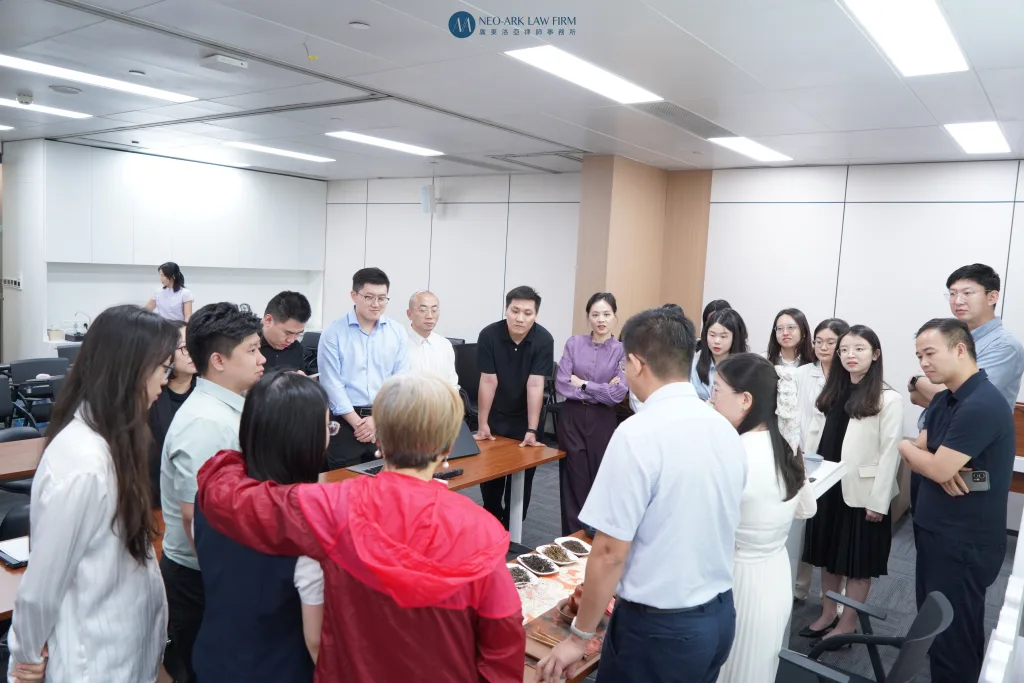
Tea Culture & Legal Elegance: Guangdong Neo-Ark Law Firm Hosts Traditional Tea Culture & Etiquette Workshop
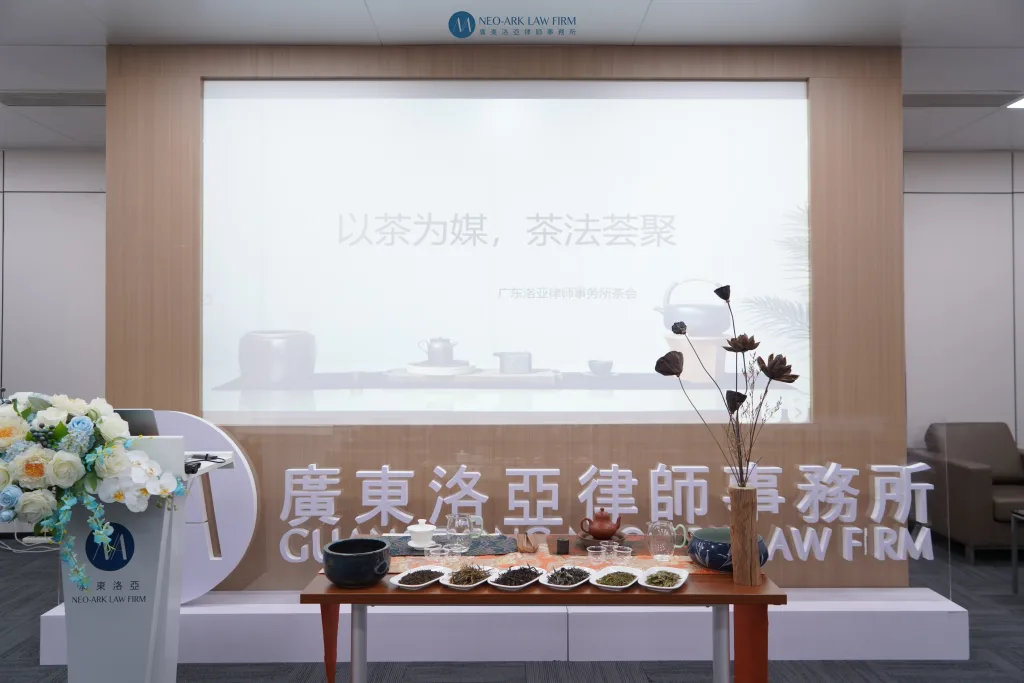
On the afternoon of October 23, 2026, Guangdong Neo-Ark Law Firm hosted a traditional tea appreciation and professional etiquette workshop entitled "Tea Culture & Legal Elegance" (“茶香法韵,雅集洛亚”).
Organized to support work-life balance and refine professional etiquette for practicing attorneys, the salon featured guest speakers Shaoguo Chen, founder of Guangdong Penglaixuan Trade Development Co., Ltd. and advocate for Mengxiyun tea culture, alongside certified tea master Xiaojuan Xu. Hosted by Attorney Tao Zou, the event brought together partners, associates, and administrative staff for an afternoon of traditional tea education, etiquette training, and sensory tasting.
I. The Art & Science of Tea Classification
During the keynote sharing, Mr. Shaoguo Chen introduced the foundational classification of Chinese tea based on processing and fermentation levels across six major tea categories:
The Six Major Categories: Green, White, Yellow, Oolong (Cyan), Red (Black), and Dark (Fermented) teas.
Tea History & Market Realities: Chen provided historical background on famous teas, noting that commercial "Dahongpao" on today's market is derived from propagated cultivars rather than the original six mother trees on Wuyi Mountain, which are strictly protected state treasures with harvesting prohibited.
Business Etiquette & Social Protocols: The lecture addressed practical tea etiquette in corporate and legal networking settings, helping attorneys handle business tea service with confidence and cultural understanding.
II. Master Class: The Ten Steps of Tea Service & Guest Etiquette
Tea Master Xiaojuan Xu led a practical demonstration focusing on the Ten Steps of Tea Preparation (行茶十式) and client hospitality rules:
III. Interactive Blind Tasting & Firm Culture
Following the instructional session, attorneys engaged in a multi-sensory tasting exercise covering six representative teas: Tieguanyin Oolong, Dianhong Black Tea, Silver Needle White Tea, Wuyi Rougui Rock Tea, Duck Shit Aroma Oolong, and Ripe Pu'er Dark Tea.
Attorneys analyzed leaf shape, aroma, and liquor color using traditional sensory evaluation techniques. The highlight of the workshop featured a blind tasting competition, where attorneys Kaiyang Sun and Shuying Lv successfully identified all six tea samples by aroma and taste profile.
By pairing professional etiquette with team bonding, Guangdong Neo-Ark Law Firm continues to enrich its workplace culture, cultivating well-rounded legal professionals and strengthening team cohesion.
About the Author
Yu Yuting Partner | NEO-ARK Law Firm
LawyerYu focuses on foreign-related litigation, cross-border disputes, commercial matters, and legal services for overseas individuals and businesses in China.
NEO-ARK Law Firm provides legal services in foreign-related litigation, commercial disputes, family law, and cross-border legal matters, assisting both international and domestic clients throughout China.