Skip to content
On June 5, 2026, the General Office of the State Council issued the Guiding Opinions on Strengthening Supervision, Preventing Risks, and Promoting High-Quality Development of Private Equity Investment Funds (State Council Letter [2026] No. 54, hereinafter referred to as "Decree 54").
As the top-level charter governing China's "1+N+X" private equity regulatory framework, Decree 54 marks the end of wild expansion and ushers in an era of stringent, high-quality institutional compliance.
Core Structural Shifts at a Glance:
- Market Entry Control: Prequalification screening by provincial regulators is now a mandatory prerequisite prior to corporate registration.
- Mandatory Custody: Mandatory fund custody rules expand significantly, systematically eliminating "self-custody" loopholes.
- Valuation Adjustment Mechanism (VAM) Governance: Introduces the first-ever top-level regulatory restriction on VAM and Earn-out agreements, cracking down on disguised debt and rigid redemptions.
- State Capital Scrutiny: Strictly bans county-level governments from establishing redundant new government funds, prohibiting state-owned enterprises (SOEs) from off-spectrum cross-industry investments.
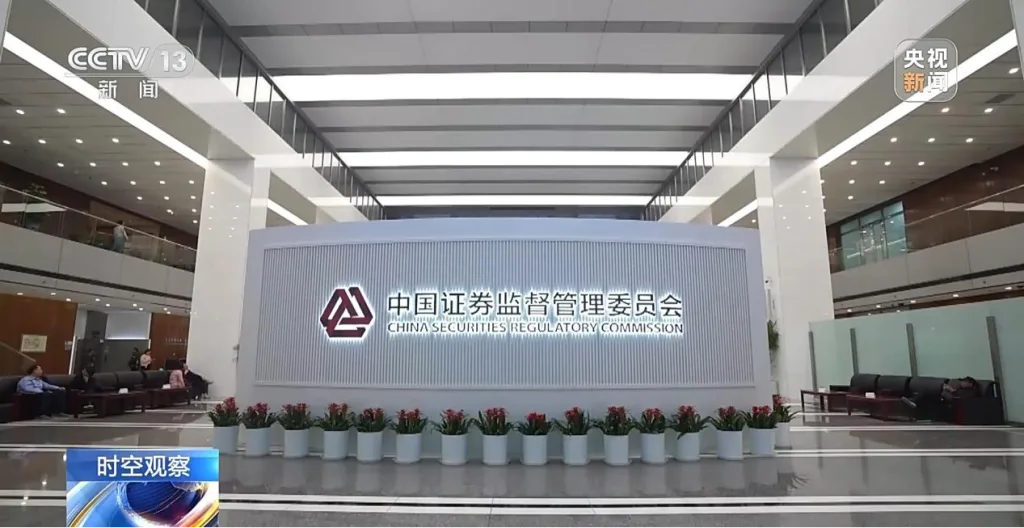
(source:CCTV 13)
I. Regulatory Restructuring: Rebalancing Administrative Enforcement and Self-Regulation
Decree 54 establishes a dual-tier governance system that explicitly segregates administrative enforcement from industry self-regulation:
- Legacy Model: Heavy reliance on Asset Management Association of China (AMAC) self-regulation, resulting in limited deterrence over unregistered entities.
- Decree 54 Model: China Securities Regulatory Commission (CSRC) and its regional offices act as administrative gatekeepers for entry checks, investigations, and penalties, supported by AMAC for frontline daily monitoring, filings, and self-disciplinary reviews.
By placing administrative oversight at the forefront, compliance obligations transition from mere industry association rules to binding statutory duties. Continued compliance is now the absolute legal precondition for fund managers to operate in mainland China.
Attorney's Compliance Note:
Existing fund managers should establish a dual-line compliance protocol connecting both the CSRC and AMAC. Shift internal compliance priorities from formality-based initial filing reviews to full-lifecycle ongoing operational control. Fund managers should proactively build audit-response mechanisms for sudden regulatory inquiries and on-site inspections.
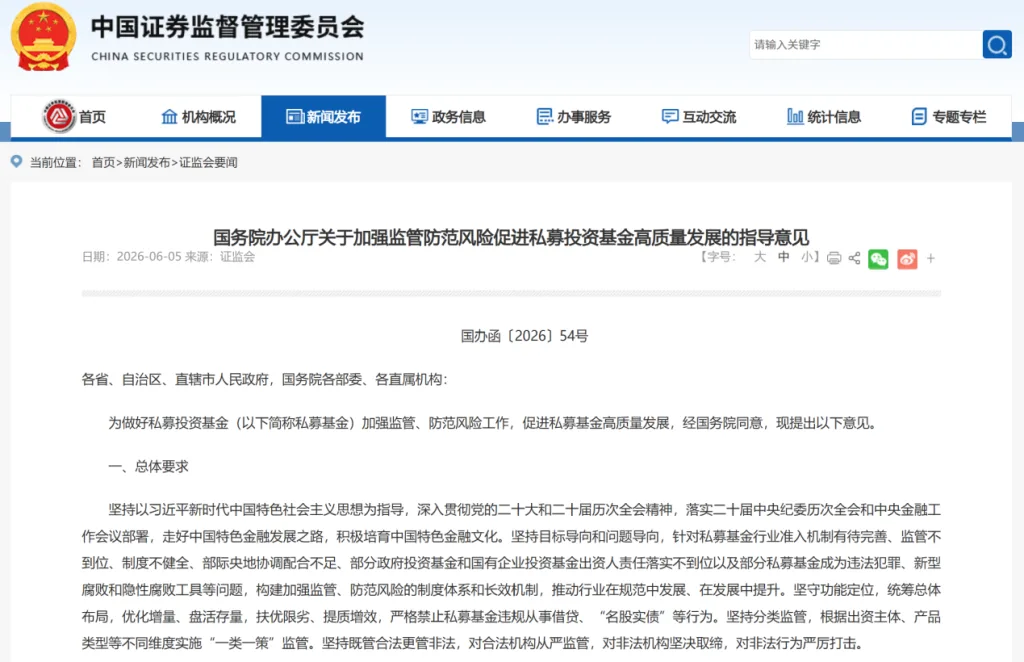
(Official release and regulatory bulletin on private equity oversight guidelines issued by the China Securities Regulatory Commission. Source: CSRC)
II. Gatekeeping at Market Entry: Mandatory Joint Prequalification Screening
Under Section II of Decree 54, any entity seeking to register as a private equity fund manager—or planning to include private equity or venture capital terminology in its corporate name or business scope—must complete a joint prequalification screening by the provincial financial regulatory authority and local CSRC office before applying for market regulation registration.
Registration Procedure Framework:
- Apply for Joint Prequalification Screening through the Provincial Authority and Local CSRC.
- Upon prequalification approval, proceed to Market Regulation Corporate Registration.
- Complete official AMAC Fund Manager Registration.
| Entity Type | Corporate Name / Scope Feature | Trigger Prequalification? | Required Registration Path |
| Licensed PE/VC Manager | Contains "Private Equity", "VCF", etc. | Yes (Mandatory) | Prequalification Screening -> Corporate Registration -> AMAC Filing |
| Standard Investment Firm | General "Investment Management", "Asset Management" | No | Standard Market Regulation Corporate Registration |
Attorney's Compliance Note:
Prospective fund managers must factor in an additional 1 to 3 months for prequalification screening. Applications require complete transparency regarding ultimate beneficial owners (UBOs), actual controllers, capital contribution capabilities, and risk control systems.
III. Custody System Upgrade: Full-Coverage Mandatory Custody Execution
Decree 54 mandates the creation of unified, mandatory fund custody regulations across all PE structures. The regulatory threshold for custody exemptions has shrunk considerably:
- Contractual Securities Funds: Mandatory custody applies across all structures.
- Partnership & Corporate Securities Funds (Issued post-Aug 2024): Mandatory custody required without exception.
- PE & VC Funds: Mandatory custody applies to all contractual structures, Special Purpose Vehicle (SPV) investments, and fund expansion products.
Attorney's Compliance Note:
Audit all active non-custodial funds within your portfolio immediately. Distinguish between legally exempted products and non-compliant structures requiring remediation. For newly established funds, embed qualified custodian institutions during the initial structural design phase to establish unambiguous cash-sweep and oversight covenants.
IV. Refining Equity Investments: Dual Regulation of VAM Agreements
For the first time, a State Council policy explicitly mandates the creation of specialized regulatory rules governing Valuation Adjustment Mechanisms (VAM / Earn-out agreements).
Going forward, VAM terms in PE/VC deals will be governed by two independent, parallel legal frameworks:
- Civil & Judicial Review: Governed by Supreme People's Court judicial guidelines evaluating corporate law feasibility and capital maintenance principles.
- Administrative Regulation (Decree 54): Strictly prohibiting VAMs structured to guarantee returns ("rigid redemption"), disguise debt as equity, or bypass leverage limits.
Attorney's Compliance Note:
Review all existing portfolio VAM provisions and classify them into strategic remediation categories:
- Maintain: Commercial performance adjustments and legitimate shareholder-level compensation arrangements that comply with capital maintenance.
- Amend or Excise: Unenforceable target-company buybacks, guaranteed return provisions, and rigid repurchase clauses that risk being recharacterized as illegal debt disguised as equity.
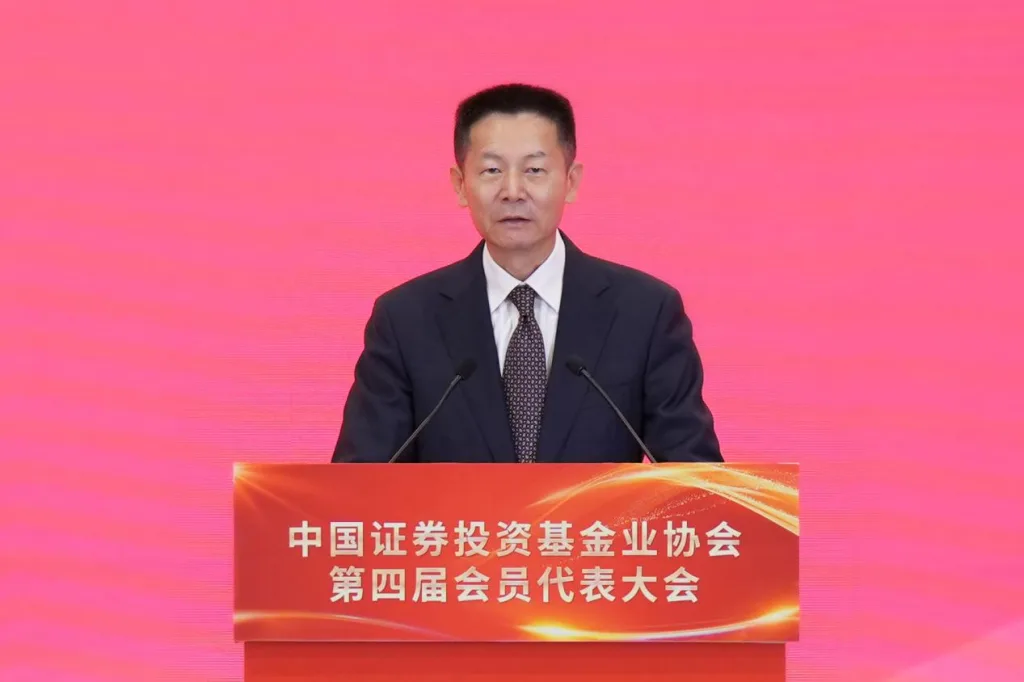
(CSRC Chairman Wu Qing delivering an opening address at the 4th Member Representative Congress of the Asset Management Association of China. Source: CSRC)
V. Tightening State-Owned and Government Fund Participation
Decree 54 imposes strict parameters on state-backed capital commitments:
- Government Investment Funds: County and district-level governments are principally prohibited from launching new government investment funds. Exceptions require approval from higher-level municipal or provincial governments. Functional overlaps across funds are eliminated, and disguised debt raising or guaranteed returns are strictly illegal.
- State-Owned Enterprise (SOE) Capital: SOE fund investments must align tightly with the enterprise's core operational mandate. SOEs are barred from cross-industry non-core investments, pure conduit operations, and non-compliant real estate funding.
Attorney's Compliance Note:
Shift fundraising priorities toward established provincial and municipal guidance funds. When partnering with SOE capital, conduct formal core business alignment reviews beforehand to ensure all transaction documents are stripped of guaranteed return terms.
VI. Closed-Loop Risk Cleanup & Digital Supervision
Decree 54 institutes a centralized digital monitoring platform that aggregates data across corporate registries, fund filings, bank custody, and judicial records to enable full-scope look-through enforcement:
- Fund Manager Phase-Out: Entities involved in major illegalities will have their registrations revoked directly. Dormant ("shell"), abnormal, or untraceable managers will face strict time-bound rectification or cancellation.
- Commercial Entity Phase-Out: Entities holding private equity designations in their business scope without actual operational capacity will have their business licenses revoked by market regulation authorities.
Conclusion & Strategic Action Plan
With the release of Decree 54, detailed departmental rules addressing information disclosure, fundraising, custody, VAM terms, and state capital will be rolled out rapidly. Compliance is no longer an operational cost—it is the foundational license to operate. Fund managers and institutional investors should immediately initiate comprehensive internal compliance audits to navigate this regulatory transition safely.
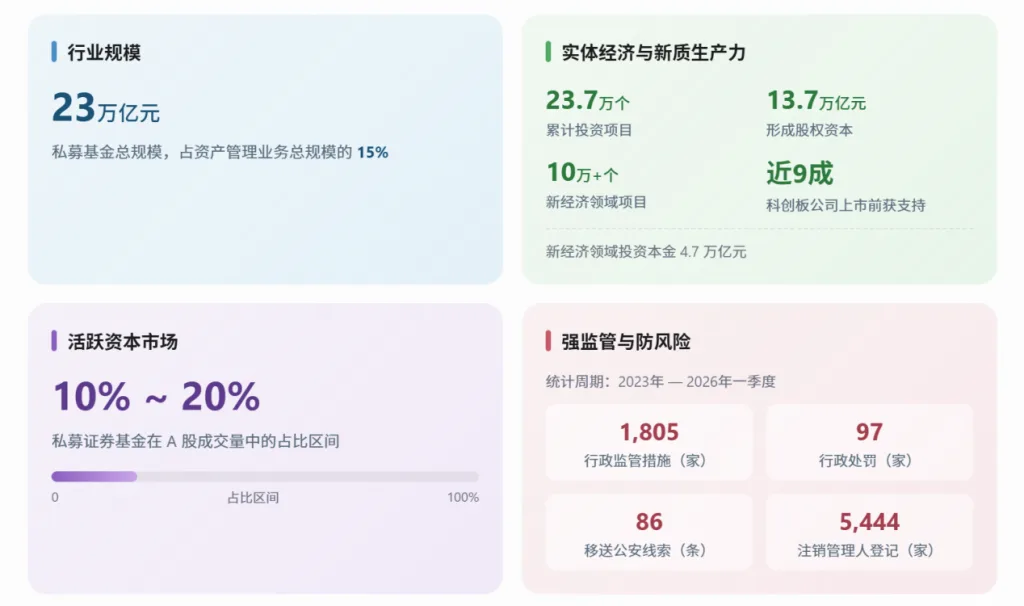
(Official data presentation from the State Council press conference detailing the implementation metrics and timeline for Decree No. 54. Source: CSRC Press Briefing)
Disclaimer & Copyright: This article is co-authored by Mandy Wu and Yu Yuting. The insights shared are for general compliance trends only and do not constitute formal legal advice.As a specialized cross-border legal institution, Neo-Ark Law Firm provides comprehensive global compliance and rights-protection support for expanding enterprises. For more international legal updates, please visit the Neo-Ark Law Firm Official Websites (https://www.neoarklawyers.com/news).