...

News

Valid Visa but Denied Entry? The Definitive Immigration & Border Control Compliance Guide for Foreign Nationals in China

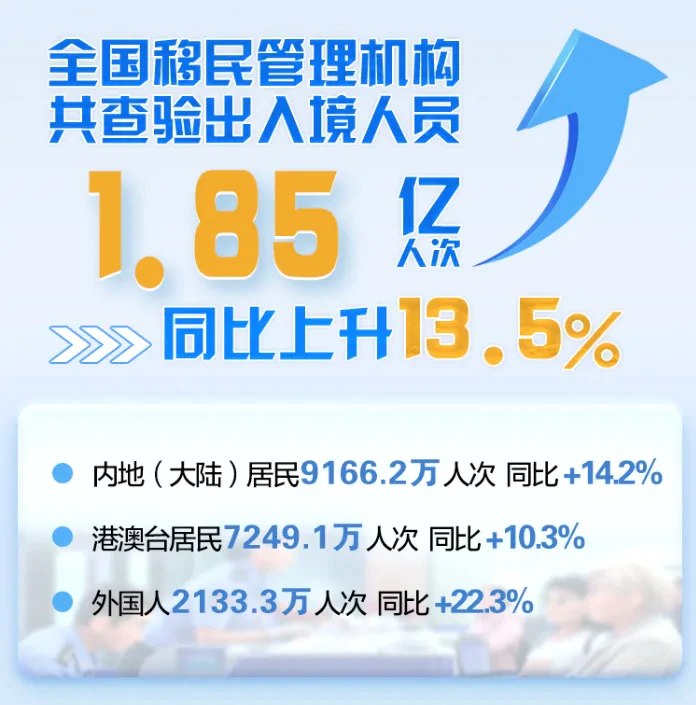
As international commercial interactions and transnational talent mobility continue to accelerate, an increasing number of foreign professionals are entering China for trade, investment, and localized operations. However, China's National Immigration Administration (NIA) and border control authorities are deploying increasingly refined and rigorous enforcement frameworks.

A critical reality that global executives must recognize is that holding a valid Chinese visa does not automatically guarantee a statutory right of entry into China. Based on current statutory exit-entry regulations and active cross-border legal practices, this guide delivers an operational blueprint regarding visa utilization, entry auditing, and onshore compliance.
(Source:NIA)

I. Primary Visa Categories & Permitted Scope of Activities

The Golden Principle: Your actual on-site activities within Mainland China must strictly correspond to your assigned visa classification and your declared purpose of entry at the border checkpoint.

  • M Visa (Business & Trade): Specially tailored for commercial negotiations, supplier procurement, trade exhibitions, and short-term transactional tasks. Crucial Legal Distinction: An M Visa is not an authorization for employment. If a foreign national works under the managerial supervision of a domestic Chinese entity, maintains a long-term on-site desk, or directly administers daily operations, authorities may classify this as unauthorized employment—regardless of whether their compensation is paid onshore or offshore.
    • Extension Protocols: Applications must be supported by an official verification letter issued by the inviting or hosting domestic organization. The Exit-Entry Administration may grant a stay extension of up to 180 days.
  • L Visa (Tourism): Exclusively designated for leisure travel, recreational itineraries, or short-term private family affairs. Any form of commercial monetization or corporate assistance is strictly prohibited.
    • Extension Protocols: Applicants must file a detailed itinerary or a certified validation letter from a licensed travel agency. Extensions are generally capped at a maximum of 30 days.
  • Z Visa (Employment): Enforced for foreign nationals legally hired by an onshore entity. This visa category requires the holder to successfully process and secure an official Foreigner’s Work Permit and a subsequent Residence Permit immediately upon arrival.
  • Q2 Visa (Family Visit): Intended for foreign nationals visiting relatives who are either Chinese citizens or foreign nationals holding permanent residency status in China. Select jurisdictions allow for extended, flexible stay durations under this class.
  • K Visa (STEM & Young Scientific Talent): A specialized immigration path designed for young scientific researchers, STEM academic graduates, and international scientific cooperation personnel.

(Source:NIA)

II. Border Interrogation Dynamics: Why Valid Visas are Flagged for Denial

Chinese border inspection officers possess independent statutory authority to review the underlying factual intent of any entering traveler. If border patrol concludes that your prospective onshore activities conflict with your issued visa type, they are legally empowered to conduct advanced interrogations, curtail your permitted duration of stay, or formally execute a denial of entry.

1. High-Risk Triggers During Immigration Inspection:

  • High-frequency, short-term shuttle flights into Mainland China within a compact timeframe.
  • Accommodations, local logistics, or travel expenses funded directly by a Chinese corporate entity without a corresponding work permit.
  • Physical or digital possession of sensitive enterprise properties, such as raw source codes, internal industrial blueprints, or unmasked proprietary data architectures.
  • Absence of a confirmed return flight booking or an ambiguous, unverified localized travel itinerary.
  • Commercial statements during processing that do not align with the structural definitions of the presented visa.

2. Immediate On-Site Compliance Practices:

  • Always travel with physical, fully updated copies of your official corporate Invitation Letters alongside current contact directories for your onshore point of contact.
  • Avoid ambiguous colloquial phrases during customs processing, such as "I am just coming to assist a friend’s startup" or "I am doing unpaid consulting work."
  • Ensure all data assets stored on accessible corporate devices strictly mirror standard business-trip necessities.
  • Maintain accessible digital and physical duplicates of your pre-booked hotel confirmations and travel tickets.
(Source:NIA)

III. The 24-Hour Temporary Residence Registration Mandate (Critical)

Pursuant to the Exit and Entry Administration Law of the PRC, foreign nationals who do not lodge at a certified international hotel (e.g., those choosing private apartments, residential short-term rentals, or staying with local colleagues) must complete a Temporary Residence Registration with the local public security station (Hupai) within 24 hours of arrival. Select metropolitan experimental zones may feature a 72-hour window, but immediate registration remains the gold standard to avoid administrative citations.
(Source:NIA)

IV. Procedural Extensions & Institutional Renewals

  • Proactive Processing Timelines: Visa extensions and Residence Permit renewals should be initiated well in advance of the current document's expiration date. Local Exit-Entry Administration bureaus maintain independent processing timelines; failing to allocate sufficient processing margin exposes the applicant to automatic overstay liabilities.
  • Filing Jurisdictions: Applications must be managed by the Exit-Entry Administration Bureau of the public security bureau at the applicant's current locality.
  • Standard Compliance Checklist:
    • An unexpired, authentic foreign passport.
    • A validated, recently issued Temporary Residence Registration Form.
    • A formal corporate Invitation Letter or a validated Employment Certificate.
    • The current, unaltered Business License (Chongzhao) of the domestic enterprise.
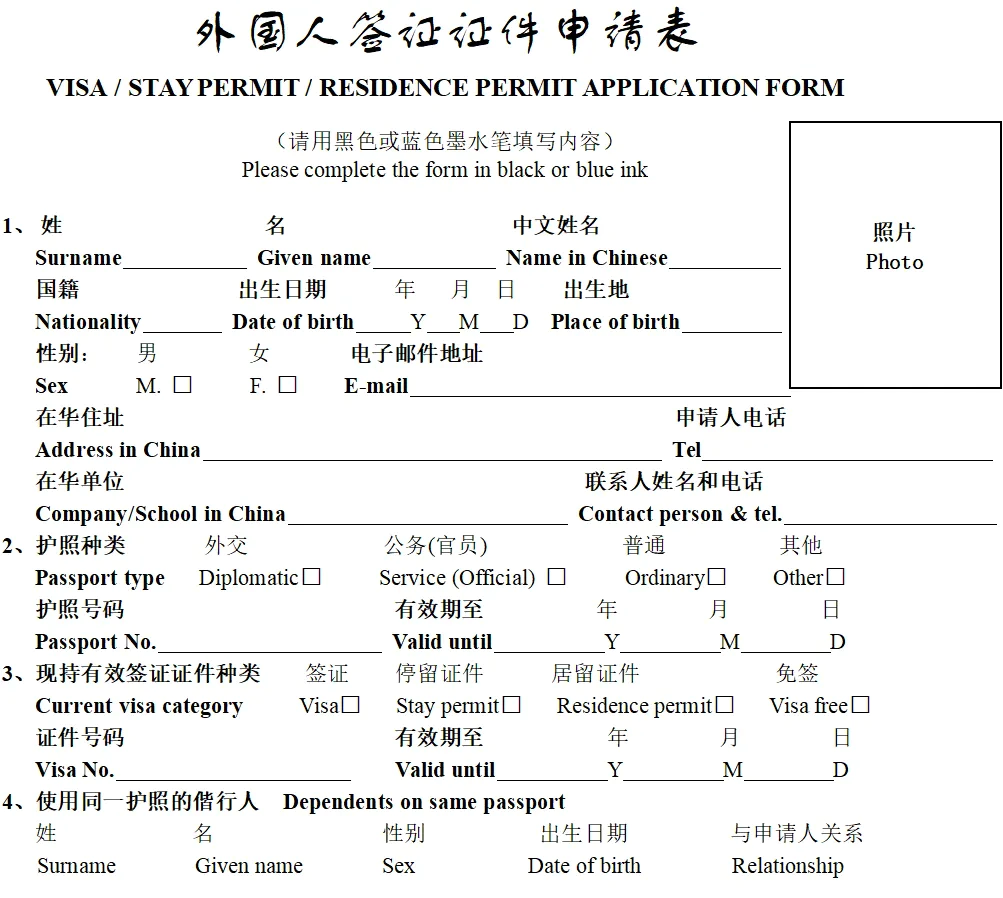
    • Completed statutory application sheets coupled with compliant biometric photography.
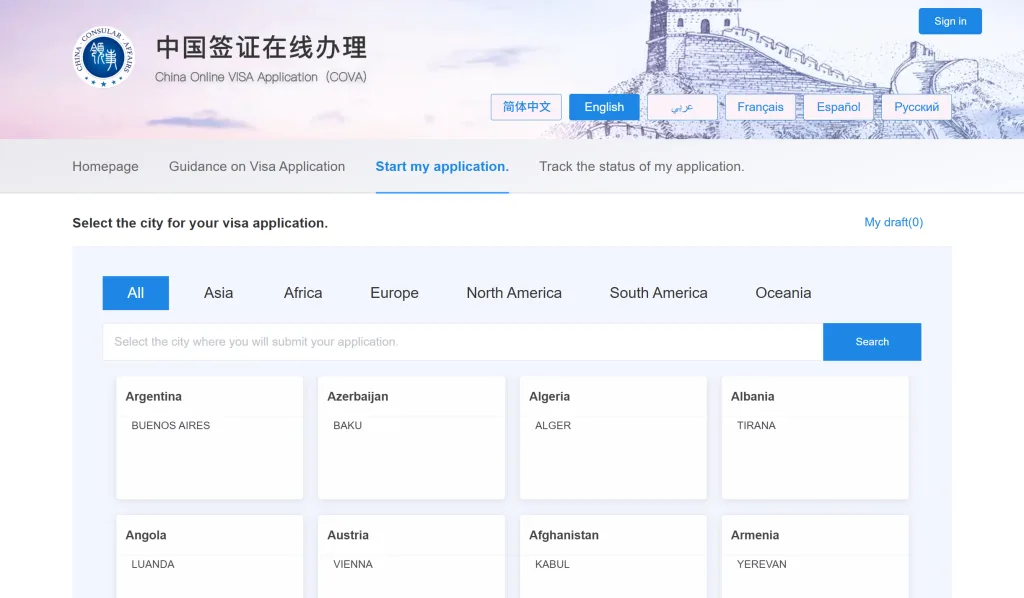
(Source:MFA)

V. Unauthorized Employment: Deconstructing Regulatory Misconceptions

A pervasive risk for multinational enterprises operating in China is the assumption that omitting local payroll or working under short-term "advisory" titles insulates a foreign professional from illegal employment liabilities.

1. Core Factors Evaluated by Chinese Regulatory Authorities:

  • Managerial Control: Does the individual operate under the structured hierarchy or supervision of a domestic enterprise?
  • Operational Persistence: Does the individual maintain a continuous, physical on-site presence at a domestic facility or corporate desk?
  • Commercial Execution: Does the individual engage in core commercial activities that directly drive the ongoing business operations of an onshore entity?

2. High-Risk Operational Violations Evaluated by Law Enforcement:

  • Utilizing an M Business Visa to fulfill a continuous, long-term operational desk presence or managerial function inside an onshore office.
  • Leveraging an L Tourist Visa to host commercial e-commerce livestreams or participate in revenue-generating promotional events.
  • Directly overseeing, hiring, or managing localized functional teams inside Mainland China without an active work authorization.
  • Providing persistent professional services under informal, unvetted "External Consultant" or "Independent Advisor" contract structures.
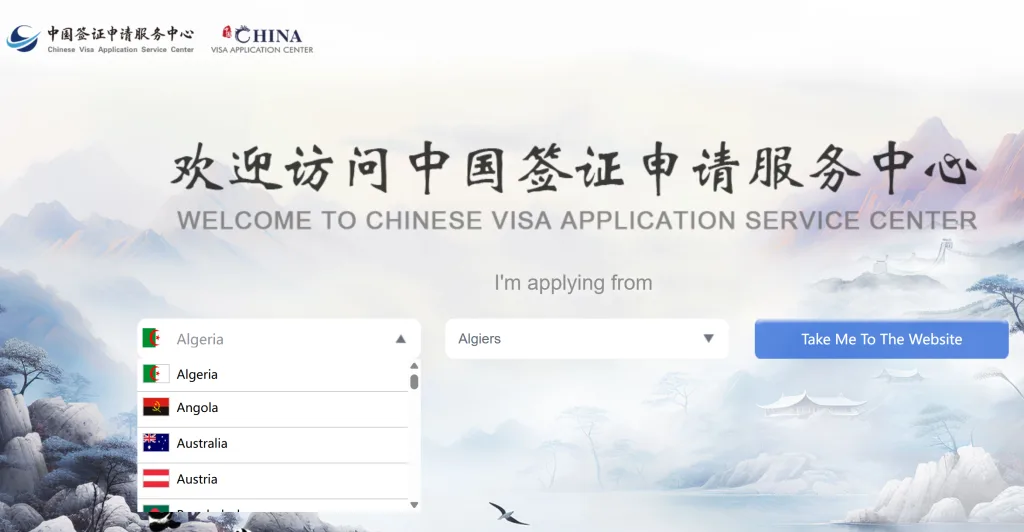
(Source:MFA)

VI. Penalties for Administrative Overstays

Overstaying the statutory limit designated on an entry stamp is a serious regulatory violation in China. Enforcement actions escalate based on duration and intent, frequently resulting in:

  • Formal administrative warnings and public reprimands.
  • Compulsory per-day financial penalties up to statutory maximums.
  • Administrative detention within a public security holding facility.
  • Immediate cancellation of active visas and the execution of deportation orders.
  • Multi-year re-entry bans and permanent systemic flags within immigration databases.

VII. Emergency Contingencies: Lost Passports or Damaged Visas

If a foreign passport containing an active Chinese visa is lost, stolen, or physically compromised within Mainland China, the individual must execute the following protocol immediately:

  1. File an Emergency Police Report: File an immediate report with the nearest local public security station to secure a formal Receipt of Report.
  2. Obtain an Exit-Entry Certificate: Present the police documentation to the municipal Exit-Entry Administration to secure a temporary stay certificate.
  3. Engage Sovereign Consular Services: Coordinate directly with your home country's embassy or consulate within China to process an emergency passport replacement.
  4. Execute Visa Reissuance: File an application with the Chinese exit-entry authorities to transfer and reissue your prior visa or exit parameters onto the new travel document.

(Source:MFA)

VIII. Key Compliance Mandates for Global Enterprises & Professionals

  • For Corporate Entities: Cease the continuous rotation of foreign staff on M Business Visas as a long-term substitute for proper Z Employment Visas. This exposure creates severe systemic risks, including corporate fines, tax reclassifications, and potential blacklisting of the domestic business entity.
  • For Individual Professionals: Do not delay extension filings until the final days of your visa window. Maintain a rigorous, recurring review of your core tracking elements:

[Foreign Professional Compliance Checklist]
├── Visa Expiration Dates & Stay Caps
├── Temporary Residence Registration Status
├── Foreigner's Work Permit Validity
├── Individual Income Tax (IIT) Residency Thresholds
├── Border Checkpoint Entry-Exit Records

Conclusion

For international executives and cross-border enterprises, the primary compliance risk in China is rarely an inability to obtain an initial visa; rather, it is underestimating the meticulous enforcement of onshore immigration rules. Sustained, low-risk commercial success relies on aligning your physical operational footprint with China's evolving corporate and exit-entry legal frameworks.

Disclaimer & Copyright: This article is co-authored by Mandy Wu and Yu Yuting. The insights shared are for general compliance trends only and do not constitute formal legal advice.As a specialized cross-border legal institution, Neo-Ark Law Firm provides comprehensive global compliance and rights-protection support for expanding enterprises. For more international legal updates, please visit the Neo-Ark Law Firm Official Websites (https://www.neoarklawyers.com/news).


Recommend
The APEC Business Travel Card: Your 5-Year Visa-Free Passport to 16 Economies (2026 Updated Guide)

How much time does it take to prepare a single business visa application? Days? Weeks? Between gathering documentation, scheduling submissions, and managing the anxiety of approval windows, the friction of international travel can be immense. Is there a singular credential that bypasses this cycle? Yes—the APEC Business Travel Card (ABTC).

Valid for five years, this card facilitates streamlined entry into 16 Asia-Pacific economies. Based on the 2026 Guangzhou official application protocols, this guide provides a practical blueprint for eligibility, procedures, and institutional requirements.

(APEC Business Travel Card,source:MFA)

I. What is the APEC Business Travel Card?

The APEC Business Travel Card (ABTC) serves as a pre-cleared, multi-entry travel document:

  1. Validity: A single application grants a 5-year validity period when paired with a valid passport.
  2. Scope: Chinese mainland cardholders are eligible for entry into 16 designated economies.
  3. Special Status: The United States and Canada are transitional members. While they do not process mainland APEC card applications, they provide dedicated "Fast-Track" customs clearance for ABTC holders.
  4. Regional Integration: While the card is not applicable for travel between the Mainland, Hong Kong, and Taiwan, holders are granted access to dedicated "Fast-Track" immigration channels when entering or exiting Hong Kong.

(source:APEC)

II. 2026 Visa-Free Stay Duration Matrix

Cardholders are permitted the following maximum stay durations per entry (must depart before the card expiration date):

EconomyMax StayEconomyMax Stay
Australia90 DaysJapan90 Days
Brunei90 DaysKorea90 Days
Chile90 DaysMalaysia60 Days
Indonesia60 DaysMexico90 Days
New Zealand90 DaysPapua New Guinea60 Days
Peru90 DaysPhilippines59 Days
Russia90 DaysSingapore60 Days
Thailand90 DaysVietnam60 Days

(source:APEC)

III. Core Strategic Advantages

Compared to standard business visas, the ABTC directly addresses cross-border friction:

  • Sector Versatility: Applicable to diverse industries including manufacturing, import/export, fintech, network tech, education, logistics, legal services, accounting, and architecture.
  • Extended Validity: One application, 5 years of validity, multiple entries.
  • Operational Efficiency: Dedicated "Fast-Track" customs lanes at major ports of entry.
  • Extended Stay: Permitted single-entry durations ranging from 60 to 180 days.
  • Phased Utilization: Cardholders can utilize the card as soon as the first set of economies approves, with subsequent approvals updated onto the card via a streamlined 7-working-day replacement process.

(source:APEC)

IV. 2026 Eligibility Criteria

  • Corporate Scope: Limited liability companies, joint-stock companies (including public listings), partnerships, and sole proprietorships.
  • Personnel Scope: Applicants must hold a valid People's Republic of China (PRC) passport and possess a clean criminal record. Eligible groups include personnel from State-Owned Enterprises (SOEs), private enterprises, and Chinese staff within Sino-foreign joint ventures or Wholly Foreign-Owned Enterprises (WFOEs).
  • Ineligible Categories: Students, spouses/dependents of business travelers, seasonal/holiday workers, professional athletes, journalists, and individuals in the entertainment, music, or art industries.

(source:APEC)

V. 2026 Guangzhou Application Workflow

  1. Online Registration & Filing: Corporate entity registers and submits filings; Guangzhou Foreign Affairs Office (FAO) reviews within 5 working days.
  2. Submission & Payment: Upon FAO approval, the enterprise submits physical materials and remits processing fees to the Ministry of Foreign Affairs (MFA) designated account.
  3. MFA Approval: Once approved, the MFA synchronizes visa applications across the 16 economies.
  4. Visa Issuance & Production: Once economies approve, the MFA automatically executes card production.
  5. Collection: The Guangzhou FAO notifies the enterprise to collect the issued card.

(source:MFA)

VI. Frequently Asked Questions

  • Personnel Changes: If a cardholder leaves the original firm, the company must cancel the card or, upon agreement, transfer the record to a new employer and file a report with the Guangzhou FAO.
  • Loss or Expiration: Report lost cards immediately to local public security stations and apply for a replacement via the FAO. For expiration, applications can be submitted up to 6 months prior to the card's expiration date.
  • Processing Time: Obtaining approval from all 16 economies generally requires 3 to 6 months.

(source:APEC)

(source:MFA)

Disclaimer & Copyright: This article is co-authored by Mandy Wu and Yu Yuting. The insights shared are for general compliance trends only and do not constitute formal legal advice.As a specialized cross-border legal institution, Neo-Ark Law Firm provides comprehensive global compliance and rights-protection support for expanding enterprises. For more international legal updates, please visit the Neo-Ark Law Firm Official Websites (https://www.neoarklawyers.com/news).

2026-06-04

Securing Talent Mobility with Law: NEO-ARK Attorneys Yu Yuting and Li Qikang Provide Pro Bono Legal Advisory at Tianhe District Recruitment Fair

On May 27, 2026, the Talent Recruitment and Global Mobility Fair was hosted at the Yangcheng Creative Industry Park in the Tianhe District of Guangzhou. Jointly organized by the Tianhe District Tianyuan Subdistrict Office, the Tianhe District Human Resources and Social Security Bureau, and the Yangcheng Evening News Group, the event established a strategic matchmaking platform designed to streamline corporate recruitment and optimize talent acquisition.

Demonstrating a firm commitment to public legal services and contributing to a legally compliant talent ecosystem in the Tianhe District, Guangdong NEO-ARK Law Firm deployed Senior Attorneys Yu Yuting and Li Qikang to provide on-site pro bono legal counsel. Their presence delivered professional support for both employment services and institutional talent integration.

I. Pro Bono Advisory & On-Site Legal Risk Mitigation

During the fair, Attorney Yu Yuting and Attorney Li Qikang addressed the diverse legal inquiries raised by participating enterprises, HR directors, and domestic and international job seekers. Operating with an analytical, rigorous, and practical approach, the attorneys delivered immediate, actionable guidance on complex workplace matters, resolving structural ambiguities before formal employment agreements were executed.

Key compliance areas covered during the counseling sessions included:

  • Corporate Employment Risk Controls: Drafting employment contracts, structuring probation periods, and defining performance evaluation metrics.
  • Protection of Employee Statutory Rights: Reviewing wage structures, social security obligations, and termination compensation compliance.
  • Talent Logistics & Mobility Compliance: Navigating local talent introduction pathways, residency registration, and administrative regional incentives.

II. Bridging the Gap in Grassroots Legal Services

This pro bono initiative seamlessly integrated professional legal services with talent recruitment and community employment support. By delivering legal counsel directly to the workforce and corporate entities, NEO-ARK Law Firm successfully bridged the "last mile" in grassroots legal service delivery.

This initiative represents a practical realization of the firm’s long-standing Corporate Social Responsibility (CSR) principles and public service goals.

Looking Forward

Moving forward, NEO-ARK Law Firm will continue to utilize robust legal principles as its foundation and specialized service as its core driver. By proactively aligning its practice groups with the essential needs of government frameworks, corporate entities, and civil society, the firm remains dedicated to providing sophisticated legal support to accelerate regional judicial development, elite talent concentration, and high-quality socioeconomic growth.

Disclaimer & Copyright: This article is co-authored by Mandy Wu and Yu Yuting. The insights shared are for general compliance trends only and do not constitute formal legal advice.As a specialized cross-border legal institution, Neo-Ark Law Firm provides comprehensive global compliance and rights-protection support for expanding enterprises. For more international legal updates, please visit the Neo-Ark Law Firm Official Websites (https://www.neoarklawyers.com/news).

2026-06-01

Institutional Excellence: NEO-ARK Law Firm Listed in the 2026 ALB China Regional Ranking for South China

The world’s premier legal rating agency, Asian Legal Business (ALB, a Thomson Reuters publication), has officially unveiled the 2026 ALB China Regional Ranking: South China. Characterized by its rigorous market-performance evaluations, this ranking honors elite legal practices within China's most dynamic economic zones.

Based on its professional excellence and deep expertise in the South China legal market, Guangdong NEO-ARK Law Firm has been officially included in the prestigious 2026 ALB China Regional Ranking: South China Firms.

I. High-Level Legal Summit & Recognition Ceremony

The distinction was celebrated at the 2026 ALB Shenzhen Corporate Counsel Summit and Awards Ceremony, hosted in Shenzhen. Senior Partners from NEO-ARK Law Firm, Attorney Liu Minghong and Attorney Huang Ziran, attended the event on behalf of the firm.

During the summit, Attorney Liu Minghong delivered a presentation outlining NEO-ARK Law Firm’s historical growth, specialized legal sector architecture, and mid-to-long-term strategic vision. He emphasized the firm's client-centric operational strategy, which focuses on providing highly tailored, top-tier legal services designed to maximize commercial protection and client value in cross-border environments.

II. About the ALB Evaluation Framework

Asian Legal Business (ALB) serves as one of the world’s most authoritative benchmarks for corporate legal departments, institutional investors, and international commercial boards.

The ALB "Regional Ranking: South China" evaluates law firms operating across major southern economic jurisdictions, including Guangdong, Guangxi, Hainan, and Fujian. The editorial committee assesses firms through a data-driven process evaluating:

Market Growth Achievements: Practical success in high-value corporate actions, mergers, and cross-border trade defense.

Operational and Practice Scale: Core growth trajectories and management bandwidth.

Specialized Domain Capabilities: Sophistication in resolving complex, high-stakes litigation, data security, and cross-border commercial challenges.

Client Evaluation Benchmarks: Qualitative feedback regarding institutional value, efficiency, and transparency.

III. Strategic Alignment with the Greater Bay Area Economy

Since its inception, NEO-ARK Law Firm has systematically expanded its presence within the South China market. By pairing specialized practice expertise with a structured duty of care, the firm delivers efficient, accurate, and trustworthy legal outcomes for corporate and private wealth clients. This ALB ranking reflects industry consensus regarding the firm’s professional capabilities, service quality, and growing regional influence.

Looking ahead, NEO-ARK Law Firm will leverage this recognition to enhance its strategic capacities. The firm remains dedicated to aligning its services with the expanding economic needs of South China and deeply integrating its practice groups into the legal development of the Guangdong-Hong Kong-Macao Greater Bay Area (GBA).

Corporate Acknowledgements

We extend our deepest appreciation to our clients, corporate partners, and legal network colleagues for their ongoing trust and collaboration. The professionals at NEO-ARK Law Firm will continue to execute their legal mandates with integrity, delivering sophisticated legal solutions across all client operations.

Disclaimer & Copyright: This article is co-authored by Mandy Wu and Yu Yuting. The insights shared are for general compliance trends only and do not constitute formal legal advice.As a specialized cross-border legal institution, Neo-Ark Law Firm provides comprehensive global compliance and rights-protection support for expanding enterprises. For more international legal updates, please visit the Neo-Ark Law Firm Official Websites (https://www.neoarklawyers.com/news).

2026-05-25

Monolithic Privacy Fine on General Motors: Strategic Compliance Takeaways for Outbound Smart Vehicle Manufacturers

On May 8, the California Attorney General announced a historic settlement compelling General Motors (GM) to pay a $12.75 million civil penalty. This enforcement action stems from the unauthorized collection and monetization of drivers' behavioral datasets, marking the highest financial penalty issued under the California Consumer Privacy Act (CCPA) since its enactment in 2020.

This case shifts regulatory focus from passive consent checklists to rigorous algorithmic governance, carrying far-reaching implications for global connected vehicle manufacturers.

(source:The Guardian)

I. Anatomy of the Breach: Turning Telematics into Commercial Commodities

The data harvested by GM extended far beyond consumer profiles, encompassing driver names, contact directories, real-time precise geolocation logging, and telemetry metrics (including hard-braking events, late-night driving intervals, and speeding patterns).

Through its integrated OnStar emergency roadside and navigation systems, GM surreptitiously compiled and sold the telematics profiles of hundreds of thousands of California motorists between 2020 and 2024. These assets were commercialized through data brokers, specifically Verisk Analytics and LexisNexis Risk Solutions, to generate proprietary driver safety scores which were ultimately acquired by auto insurance underwriters to adjust consumer premium rates. GM generated approximately $20 million in revenue from these transactions.

This data monetization model is widespread across the automotive ecosystem. Investigations reveal that major manufacturers—including Honda, Hyundai, Kia, Ford, Subaru, and Mitsubishi—have leveraged integrated telematics services to monitor and commercialize driving habits, revealing a systemic vulnerability in automotive data governance.

(source:Reuter)

II. Structural Remedies: Remediation and Long-Term Oversight

The settlement goes beyond financial penalties, imposing structural restrictions on GM's data operations:

  1. Five-Year Monetization Ban: A comprehensive prohibition barring GM from transferring, licensing, or selling driving behavioral datasets to consumer reporting bureaus or third-party data brokers.
  2. Mandatory Data Purging: A strict 180-day mandate to delete all historical telemetry files from corporate repositories, alongside a legal obligation to enforce matching data deletion across the downstream data brokers.
  3. Enhanced Transparency Disclosures: Implementation of highly explicit consumer notifications alongside frictionless "opt-out" mechanisms.
  4. Independent Compliance Monitoring: Establishment of an enterprise-wide data privacy verification program subject to recurring audits and direct reporting to the California Attorney General’s Office.

(source:xinlangcaijing)

III. Core Legal Principles Established by the Precedent

1. Prohibition of Deceptive and Coercive User Interactivity (Dark Patterns)

Regulators did not merely check whether a user checked an "I Agree" box. Instead, the investigation scrutinized whether the user interface intentionally obscured the boundary between baseline vehicular functionality (e.g., safety navigation) and optional telemetry tracking.

Under global data privacy standards, if an interactive system architecture makes a consumer believe that refusing telemetry tracking will disable fundamental vehicle features, the interface constitutes a deceptive trade practice.

2. Rejection of Regulatory Provision Proliferation

The volume of a privacy policy does not equal compliance. GM featured structured disclosures, but buried the critical fact that it was selling telemetry data to affect insurance premiums inside highly complex, multi-layered digital text.

Regulators ruled that emphasizing "enhanced security features" while hiding commercial data-sharing agreements with third-party insurance firms constitutes intentional deception.

(source:General Motors)

3. Extra-Territorial Universality of Telemetry Risks

Even within regions lacking unified automotive data regulations, the commercialization of driving telematics is classified as a high-risk operational activity. Telemetry vectors require explicit, standalone user authorization. Cross-border transfers must adhere strictly to the "data minimization" principle, maintaining strict chain-of-custody tracking.

IV. Strategic Action Plan for Outbound Smart Vehicle Enterprises

1. Global Market Data Regulatory Architecture Overview

Smart vehicle export volumes are growing rapidly. In 2025, outbound shipments reached 7.098 million vehicles—a 21.1% year-on-year increase—securing a leading position in global automotive exports. By the first quarter of 2026, vehicle exports reached 2.312 million units (up 40.9%), with new energy vehicles (NEVs) accounting for 954,000 units (up 116.3%).

Concurrently, advanced driver-assistance systems (ADAS) have scaled significantly, with Level 2 autonomy penetration exceeding 50% globally, generating immense daily data volumes. The regulatory landscape across primary export jurisdictions is structured as follows:

[Outbound Automotive Data Compliance Framework]
  ├── European Union (GDPR & Data Act) ──► Imposes strict personal sovereignty over vehicle telematics; requires offline-by-default processing.
  ├── United States (CCPA/CPRA & FTC) ──► Enforces heavy penalties for deceptive UI and hidden monetization with insurance underwriters.
  ├── Southeast Asia (PDPA Frameworks) ──► Mandates localized storage architectures and explicit consent gates for cross-border transmission.
  • European Union (GDPR & Data Act Compliance): The EU treats vehicle telemetry (such as spatial paths, brake metrics, and cabin sensor data) as highly protected personal property. The regulatory framework prioritizes consumer data sovereignty, requiring edge-computing or offline-by-default processing wherever technically feasible.
  • United States (Federal Trade Commission & State-Level CCPA/CPRA): Focuses heavily on deceptive corporate trade practices. Regulators systematically penalize companies that use hidden consumer data monetization models, opaque third-party sharing agreements, and convoluted digital user agreements.
  • Southeast Asia (Regional PDPA Frameworks): Jurisdictions are accelerating the deployment of Personal Data Protection Acts (PDPA). These regulations require localized data storage architectures, explicit consent gates for cross-border data routing, and quick, responsive protocols for user data deletion requests.

(source:AE Asia)

2. Institutional Action Items for Automotive Compliance Executives

  • Comprehensive Data Mapping and Classification: Implement a comprehensive cataloging of all internal and external data collection points, including spatial tracking, real-time telemetry, in-cabin imaging, and voice command recordings. Categorize these vectors under local target market definitions (e.g., Personal, Sensitive, Critical, or State-level data assets).
  • De-coupled User Interface Design: Separate consent mechanisms for baseline vehicle functionality from premium connected features. System opt-out configurations must not be mechanically more complex than onboarding sequences. Interfaces must explicitly disclose downstream data transfers to third-party insurance or analytics companies in plain language.
  • Technical Alignment of Data Rights Execution: Build automated, API-driven workflows to execute user data access, correction, and deletion requests. Deactivation configurations must stop data transmission at the firmware and application layers. Regulatory Precedent: In a parallel enforcement case, a platform was fined $2.75 million because its back-end systems continued transmitting tracking telemetry after users disabled front-end tracking cookies.
  • Cross-Border Data Control Systems: Establish secure, audited storage architectures for localized server environments based on the scale and type of data collected. Implement cryptographic auditing mechanisms and maintain activity logs for a minimum rolling duration of 3 years to ensure compliance with cross-border discovery requests.
  • Upstream and Downstream Ecosystem Due Diligence: Conduct routine compliance audits across your entire supply chain, including cloud service providers, autonomous driving system partners, and in-cabin infotainment vendors. Clearly define data ownership, split liability allocations, and establish immediate notification protocols for data breaches within your master service agreements.

Conclusion

The enforcement action in California marks a shift toward proactive structural auditing of connected vehicle ecosystems. As automated driving systems and smart vehicle telematics scale globally, consumer privacy protection is no longer just a peripheral compliance requirement—it is a core pillar of international market viability.

(source:cxtoday)

Disclaimer & Copyright: This article is co-authored by Mandy Wu and Yu Yuting. The insights shared are for general compliance trends only and do not constitute formal legal advice.As a specialized cross-border legal institution, Neo-Ark Law Firm provides comprehensive global compliance and rights-protection support for expanding enterprises. For more international legal updates, please visit the Neo-Ark Law Firm Official Websites (https://www.neoarklawyers.com/news).

2026-05-22

Scroll to Top

+86 13503030053

BackToTop

Inquiry Inquiry Email Email Tel Tel

Request A Quote

×
Please enable JavaScript in your browser to complete this form.