Skip to content
In 2026, China–Korea economic and trade cooperation has deepened across the board. In January, South Korean President Lee Jae-myung made his first visit to China after taking office. The two sides signed 15 cooperation documents covering technological innovation, industrial collaboration, intellectual property, transportation and ecological environment, and food safety. More than 200 Korean entrepreneurs formed an economic delegation to accompany the visit. Negotiations on the second phase of the China–Korea Free Trade Agreement have accelerated. In April 2026, the two sides completed the 14th round of negotiations, with in-depth consultations on cross-border trade in services, investment, and financial services. Visa facilitation has been implemented, and there are currently more than 600 scheduled flights per week between the two countries. In the first quarter of 2026, total China–Korea merchandise trade reached RMB 701.69 billion, up 32% year on year.
(Source: Canton Fair official website)
The Canton Fair is the first window for Korean businesses to share in China’s dividends. In each of the past five sessions, about 8,000 Korean buyers attended. Leading companies such as Samsung Electronics and Lock&Lock have participated for more than 30 consecutive sessions. The 139th Canton Fair was successfully held from April 15 to May 5, with more than 32,000 exhibitors, including 279 leading procurement companies such as Samsung Electronics. The 140th Canton Fair (Autumn) will open on October 15, 2026. This is an unmissable opportunity for Korean businesses. This article examines the core legal compliance issues for Korean buyers and sellers in China trade.
I. Overview of China–Korea Trade
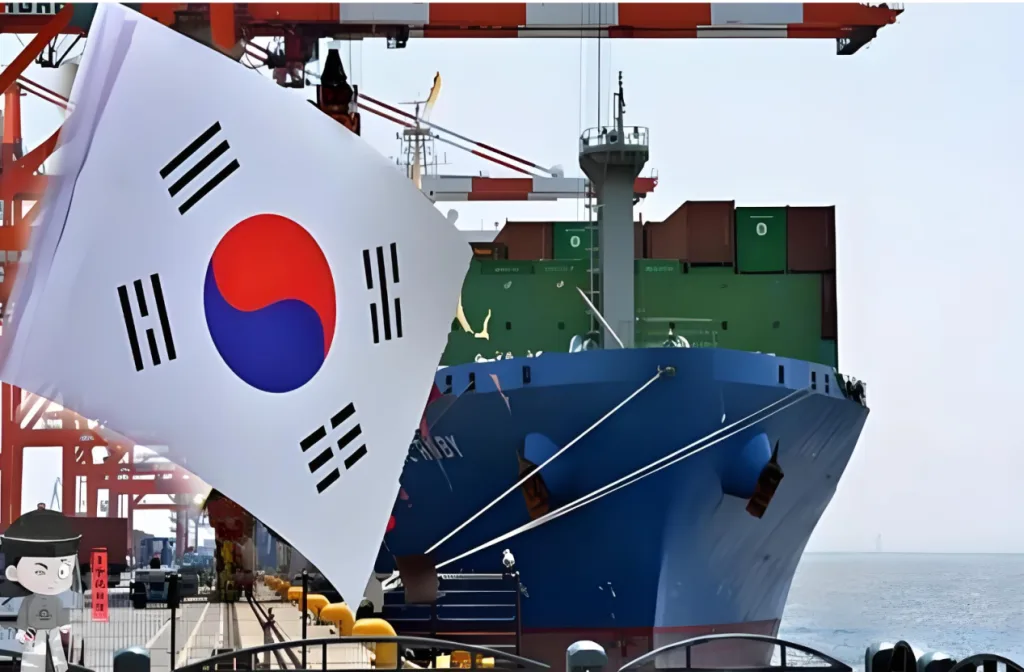
In 2025, bilateral imports and exports between China and Korea totaled RMB 2.37 trillion, up 1.7% year on year. China’s exports to Korea reached RMB 1.03 trillion, while imports from Korea reached RMB 1.34 trillion. Korea has been China’s second-largest trading partner for two consecutive years, accounting for 5.2% of China’s total foreign trade. In the first 11 months of 2025, China–Korea trade in electromechanical products reached RMB 1.43 trillion, up 5.9%, accounting for 67% of bilateral trade.
On the import side from Korea: electronic components grew by 9.9%, computer parts and accessories by 7.4%, and pharmaceutical materials and drugs by 8.9%. On the export side to Korea: electronic components grew by 10%, auto parts by 8.9%, the “new three” products (electric vehicles, lithium batteries, and photovoltaic products) by 12.4%, and medical instruments and equipment by 1.1%.
(Source: Sina Finance)
II. Key Legal Considerations for Contracting at the Canton Fair
Contracting at trade fairs moves quickly, but the faster the pace, the more important it is to hold the bottom line. The following four compliance actions must be implemented when signing contracts on site:
First, verify the counterparty’s signing qualifications. Request a copy of the business license and check whether the business scope includes trade or production. If necessary, entrust a professional institution to obtain a credit report.
Second, clarify payment terms, quality standards, and acceptance deadlines. Specify the payment method and deadline to avoid breach of contract caused by cross-border payment issues. Clearly cite specific national or industry standards, and agree on an acceptance period to avoid disputes caused by delays.
Third, pay attention to dispute resolution clauses. The contract should specify the applicable law and the dispute resolution method.
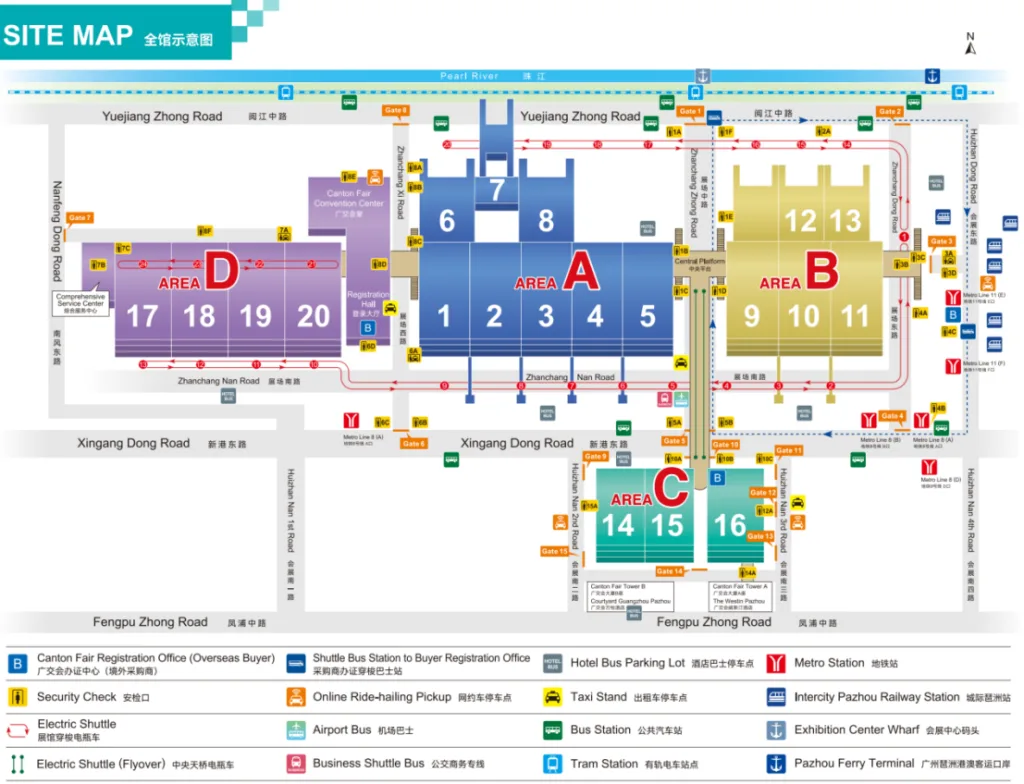
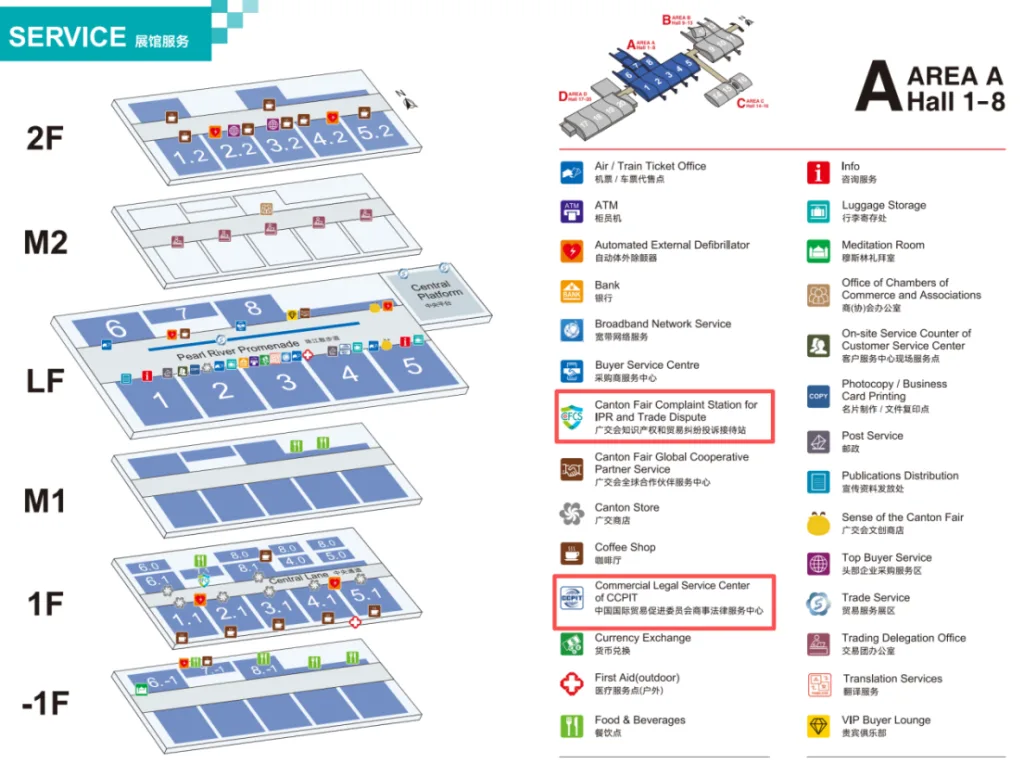
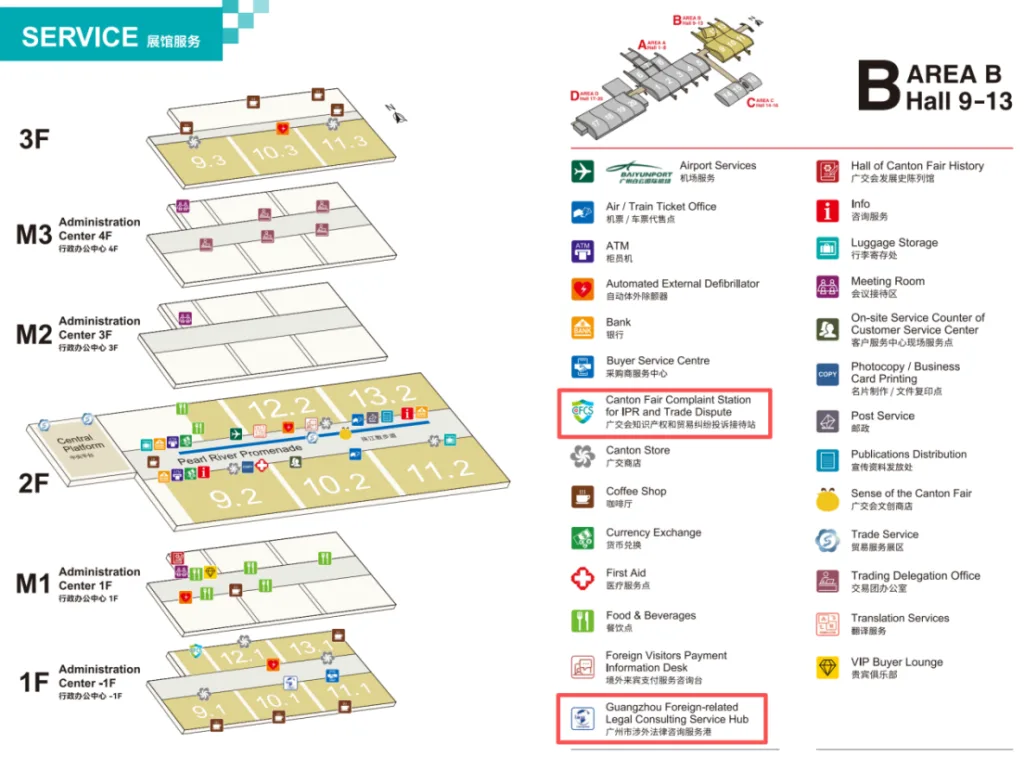
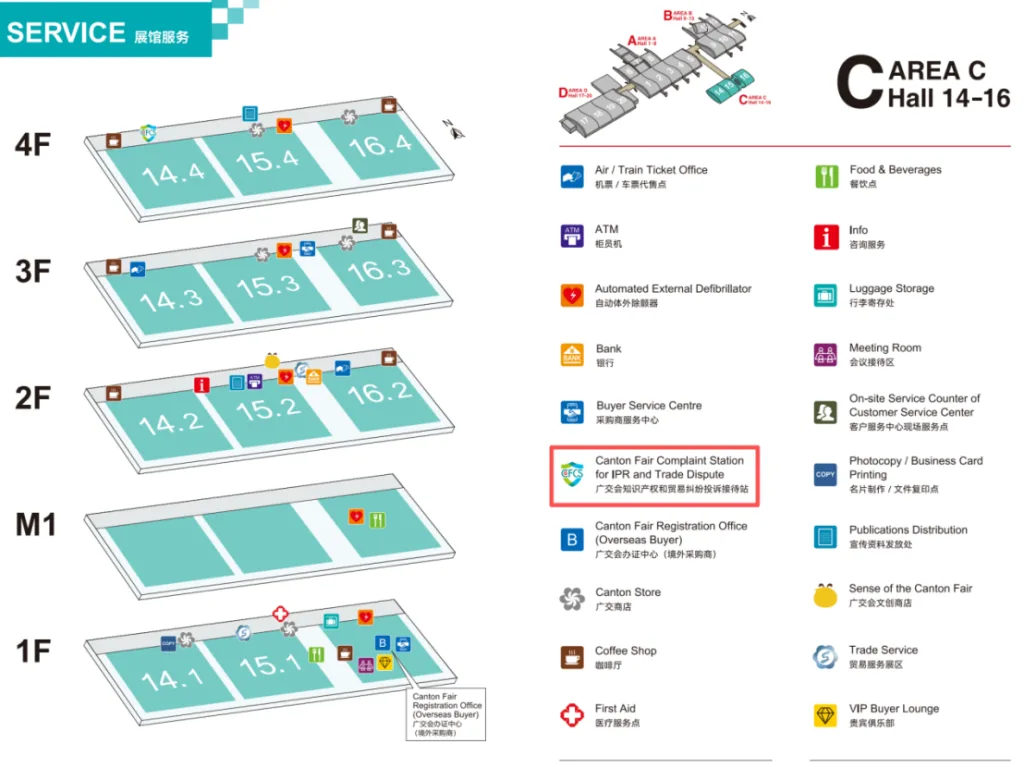
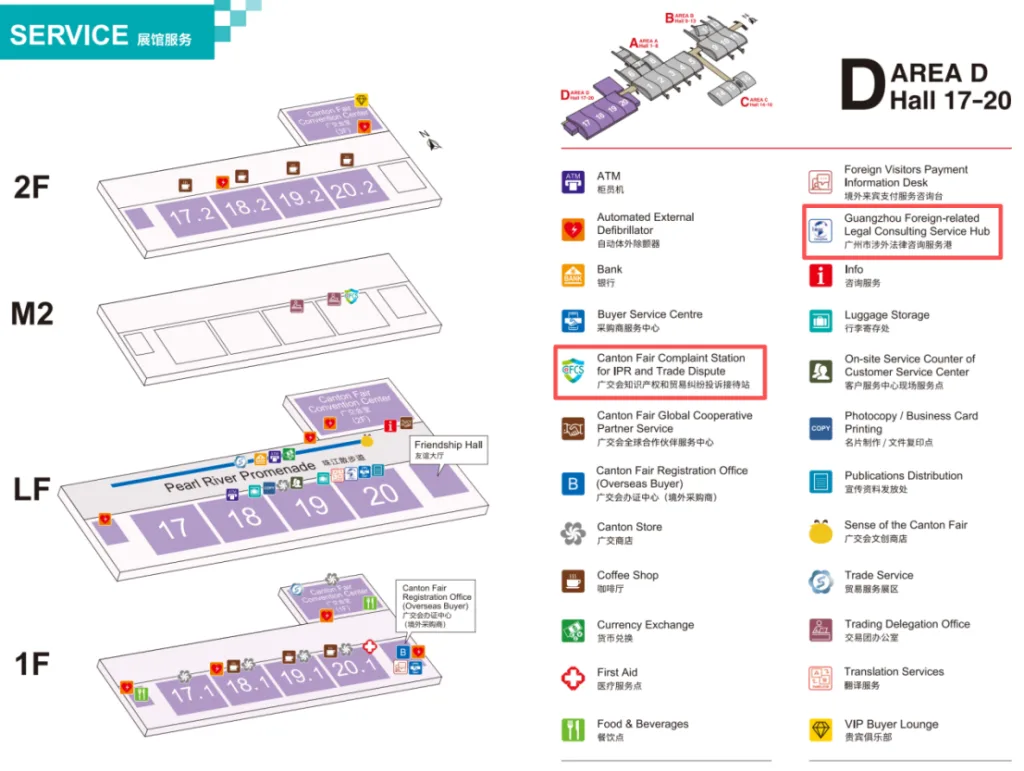
Fourth, make good use of on-site legal services. The Canton Fair has a “Legal Consultation” booth on site, where duty lawyers can provide immediate and effective legal advice. Companies may also engage their own legal team with cross-border service capabilities to provide contract review, business negotiation support, and other assistance.
III. Legal Compliance for Korean Exports to China: Semiconductors and Medical Aesthetic Devices
Korea’s exports to China are dominated by semiconductors, while medical aesthetic devices are a high-growth category. The following sections examine the core legal risks in these two industries.
(1) Semiconductors: Five Major Compliance Risks for Exports to China
Semiconductors are Korea’s largest export category. In the first four months of 2026, exports to China reached USD 32.3 billion, accounting for 29.3% of the industry’s total exports. Korean companies exporting to China must focus on the following compliance risks:
1. Origin determination. When exporting semiconductors to China, Korean companies should accurately determine the origin based on the specific product, processing techniques, and trade arrangements, and provide supporting documents such as certificates of origin, commercial invoices, purchase orders, and production and processing records. Incorrect declaration may lead to supplementary taxes, penalties, or cargo detention.
2. Equipment import licensing. Before importing semiconductor manufacturing equipment and components, companies should accurately determine the HS code based on the specific product model, technical parameters, and use, and verify whether it involves compulsory product certification, import licenses, dual-use item controls, inspection and quarantine, or other regulatory requirements. For products with unclear regulatory conditions, a professional compliance review should be completed before import.
3. New customs declaration rules. Since May 1, 2025, GACC Order No. 277 has been in effect, comprehensively revising the time limits and document requirements for import and export declaration. Many local customs authorities have implemented special inspections for semiconductor companies importing spare parts.
4. Rare earth export controls. In February 2025, China imposed export controls on key items such as tungsten, molybdenum, and indium. Exports with end uses involving chips at 14 nanometers and below require case-by-case approval, directly affecting Korean semiconductor companies’ access to raw materials.
5. Anti-dumping risk. China’s Ministry of Commerce has continued to impose anti-dumping duties on solar-grade polysilicon originating in Korea (initial rates of 2.4%–48.7% in 2014, adjusted to 4.4%–113.8% in 2017). The semiconductor sector may face similar risks in the future.
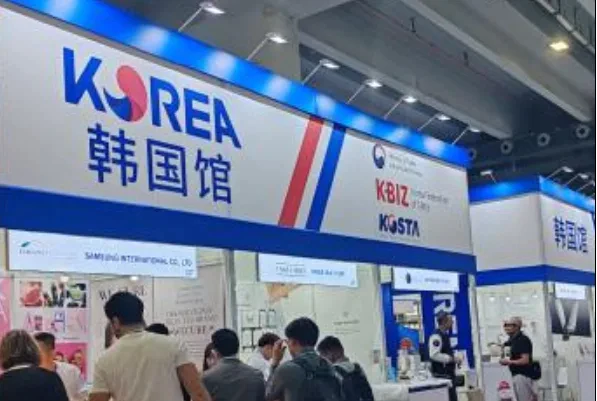
(Korea Pavilion at the Canton Fair – Source: Wuhan Institute of Design and Sciences)
(2) Medical Aesthetic Devices: Meeting China’s Compliance Threshold
Although medical aesthetic devices are smaller in export volume than semiconductors, Korea’s technical strength in the medical aesthetics industry has already penetrated Chinese consumer awareness through the consumer market. According to the 2025 Insight Report on China’s Medical Aesthetics Industry released by the China Association of Plastic and Aesthetic Surgeons, the proportion of Chinese people traveling abroad for medical aesthetics increased continuously from 2023 to 2025, with Korea remaining the top destination. In 2024, Korea received 261,000 Chinese medical aesthetics customers, up 132.4% year on year, and the number further climbed to about 620,000 in 2025.
End-consumer demand will inevitably flow upstream to device trade. For Korean medical aesthetic device companies hoping to enter the Chinese market, registration with the National Medical Products Administration (NMPA) is an unavoidable core threshold. Imported Class II and Class III devices must complete registration, appoint a domestic agent in China, and the agency agreement must be notarized in Korea and authenticated by the Chinese embassy or consulate in Korea, with joint liability clearly specified. Technical documents must include a China–Korea standards comparison table, and instructions and labels must be in Chinese and indicate the registration certificate number. Korean clinical trial data usually need to be supplemented with clinical evaluation data for the Chinese population, and the specific sample size requirements depend on the product risk level and review requirements. In 2025, skin-piercing devices and consumables such as skin booster injections were included in Class III medical device management, and the requirements have been fully implemented. Products without registration approval are prohibited from being marketed and sold. Customs conducts inspections of imported medical devices in accordance with the law, and non-compliant products are not permitted to be imported. In March of the same year, NMPA Announcement No. 30 allowed imported registration holders to use original application materials for domestic registration, providing Korean companies with a new path for localized production. Compliance speed determines market opportunity.
IV. Compliance Risks in Other Key Industries
1. Cosmetics: Since May 1, 2025, a full version of the safety assessment system has been fully implemented for cosmetic registration and filing, and companies may no longer use simplified reports. The requirements for raw material toxicological data are extremely high, and a domestic responsible person must be designated to complete filing or registration.
2. Electronic components: Pay attention to intellectual property compliance. Exported products must not infringe Chinese patent rights. Make good use of RCEP and China–Korea FTA rules of origin to choose the most favorable tariff preferences. Under the RCEP framework, 86% of products between the two sides enjoy zero tariffs.
3. Auto parts: Some accessories require compatibility certification. Since the China–Korea FTA entered into force in 2015, ten rounds of tariff reductions have been completed, with auto parts and chemical products benefiting significantly. Certificates of origin should be applied for early.
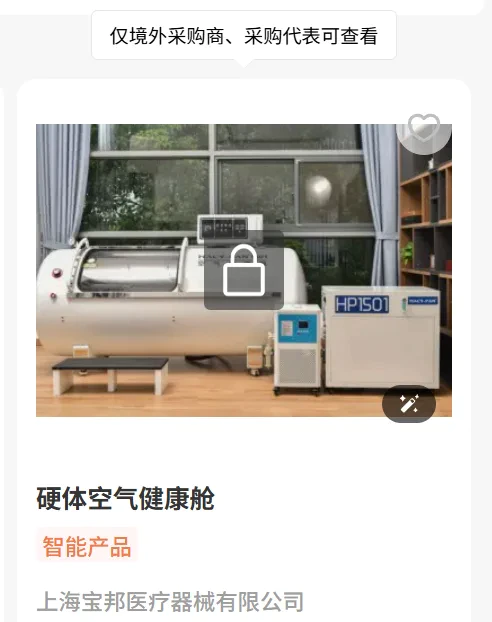
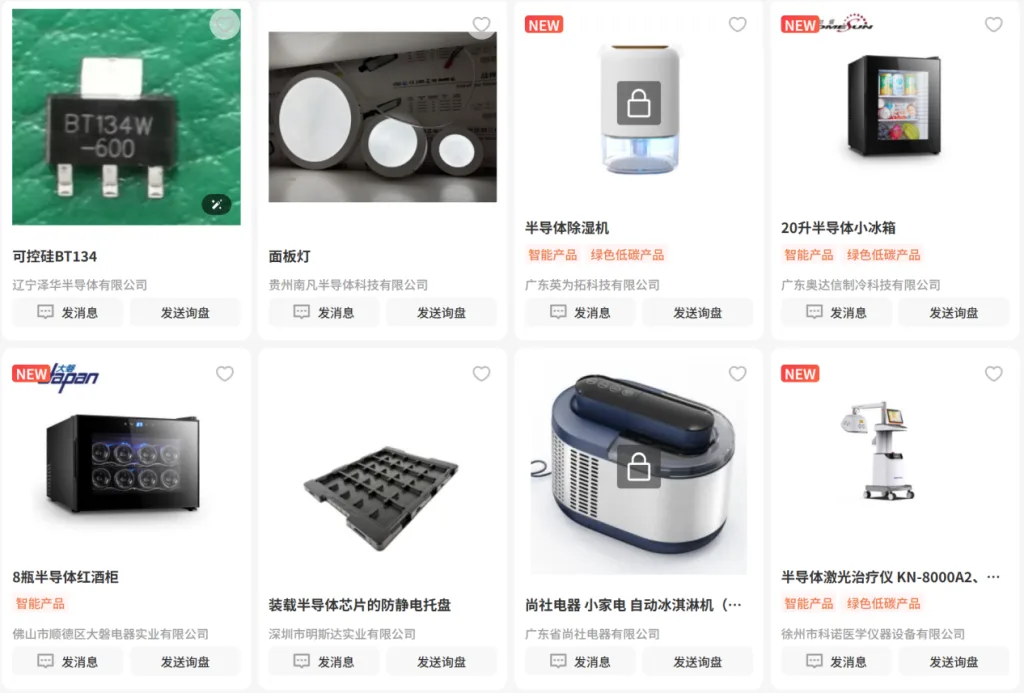
(Semiconductor-related products – Source: Canton Fair official website)
V. Practical Guide to Cross-Border Dispute Resolution between China and Korea
(1) Typical Cases and Lessons
Case 1 (Equity): A shareholder capital contribution dispute involving a Korean health industry group. The parties established a cross-border cross-shareholding structure combining “capital + technology.” Due to differences in corporate governance philosophy, they reached a deadlock and litigated against each other domestically and overseas for more than ten years, with total claims of several hundred million yuan. The case was ultimately retried and mediated by the Supreme People’s Court. Lesson: Cross-border equity structures must be designed carefully, and evidence preparation must be systematic.
Case 2 (Insurance claim): A fire insurance claim involving a Korean construction company in China. After the 2013 fire at SK Hynix’s Wuxi plant, Chinese insurance companies paid USD 860 million in compensation and sought recovery from the construction contractor. The Supreme Court of Korea ultimately ordered the contractor’s parent company to pay KRW 12.9 billion (approximately RMB 66.82 million) plus overdue interest to five Chinese insurance companies. Lesson: Companies operating in China must carry adequate insurance and clarify claim clauses.
Case 3 (Mediation): A cross-border joint venture dispute involving Korea’s ID Health Industry Group. In 2016, it established a joint venture with a Chinese company to develop the medical aesthetics market. Disputes arose due to differences in business philosophy. After ten years of litigation and arbitration involving RMB 310 million, the case was heard and mediated by the International Commercial Court of the Supreme People’s Court in 2025. Lesson: Litigation and mediation and other diversified resolution mechanisms can save time and cost.
(2) Choice of Dispute Resolution: Arbitration Is Recommended
Regarding cross-border recognition and enforcement, arbitration has clear advantages. Both China and Korea are contracting states to the 1958 New York Convention, and arbitral awards can be directly applied for recognition and enforcement in the other country, with simpler procedures and shorter timeframes. CIETAC awards have already been successfully recognized and enforced by the Busan District Court in Korea. China and Korea have not signed a dedicated bilateral treaty on the mutual recognition and enforcement of court judgments. In addition, in 2025, China Arbitration Week was held in Seoul for the first time, and CIETAC and the Korean Commercial Arbitration Board (KCAB) reached a cooperation consensus to promote the alignment of arbitration services between the two countries, further strengthening the convenience of the arbitration path.
Conclusion
The Canton Fair is a strategic window for Korean businesses to enter China. Underlying the opportunities, legal compliance is the credit foundation for long-term cooperation. We wish Korean businesses steady and sustained progress and shared success at the 140th Canton Fair.
About the Author

Yu Yuting
Partner | NEO-ARK Law Firm
Lawyer Yu focuses on foreign-related litigation, cross-border disputes, commercial matters, and legal services for overseas individuals and businesses in China.
Email: [email protected]
About NEO-ARK Law Firm
NEO-ARK Law Firm provides legal services in foreign-related litigation, commercial disputes, family law, and cross-border legal matters, assisting both international and domestic clients throughout China.