Skip to content
As the 140th Canton Fair approaches, foreign buyers and Chinese exporters gather in Guangzhou to negotiate deals and finalize commercial contracts. While the exhibition provides extensive market access, transition from initial trade show leads to final payment collection involves serious legal hurdles: buyer identity verification, contract validity, payment routing, cargo title control, and judicial enforcement.

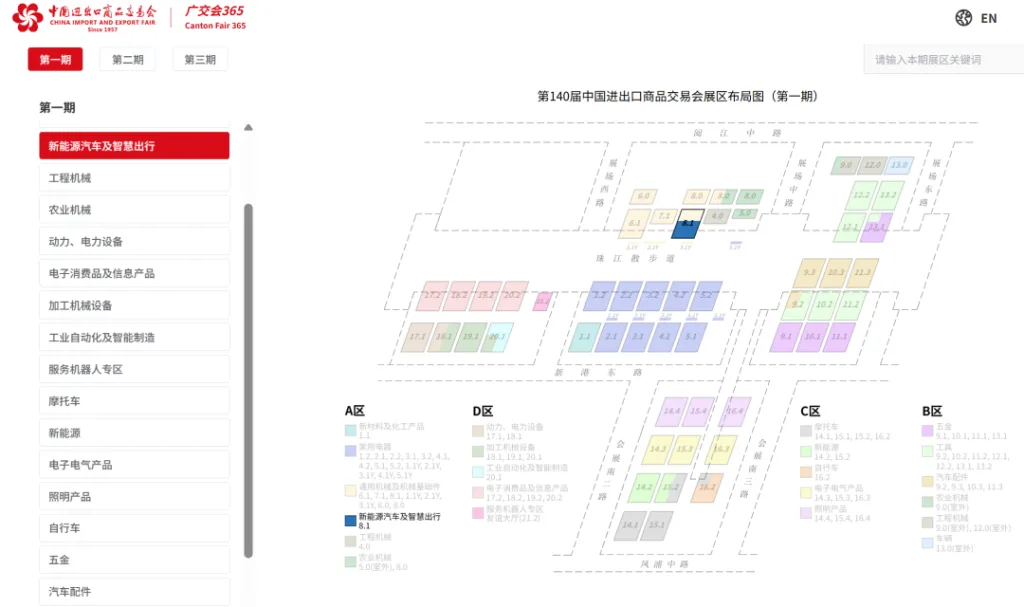
(Image Source: Nanfang+)
This article examines payment security across four operational stages—pre-contractual due diligence, contract drafting, performance management, and emergency dispute response—supported by key judicial precedents.
I. Case Studies: Payment Collection Disputes in Canton Fair Transactions
Case 1: Inaccurate Buyer Verification Creates Standing Barriers in Court
- Fact Pattern: In a cross-border sales dispute heard by the Guangzhou Intermediate People's Court, plaintiff ADEL sued Algerian merchant SAMIR over unpaid apparel orders negotiated at the Canton Fair.
- Judicial Determination: During proceedings, the court identified discrepancies between the defendant's submitted passport records and official entry-exit databases. Through cross-referencing name data and travel history, the court confirmed SAMIR's physical presence in Guangzhou during the relevant transaction window. Based on transaction logs, the court ordered SAMIR to pay over RMB 9.02 million in principal plus interest.
- Legal Takeaway: When contracting with new overseas buyers, exporters must verify the buyer's legal identity, corporate registration, and signatory Power of Attorney (POA). Complete passport copies, business registries, purchase orders, and communication records should be preserved.
Case 2: Unilateral Order Cancellations and Seller Loss Allocations
- Fact Pattern: In an international commercial arbitration administered by the Guangzhou Arbitration Commission, parties signed a $40,000 mineral water procurement contract during the Spring 2019 Canton Fair, backed by a $10,000 deposit. The buyer subsequently sought contract termination citing canceled downstream business events, triggering a dispute over incurred manufacturing costs.
- Arbitral Outcome: The tribunal successfully mediated a settlement balancing accrued production, raw material, and warehousing costs against the deposit.
- Legal Takeaway: Custom products or long-lead items carry significant upfront manufacturing costs. Contracts must incorporate explicit provisions governing payment milestones, cancellation penalties, termination rights, and cost-allocation mechanisms.
Case 3: Third-Party Remittances and Bank Account Freezing Risks
- Fact Pattern: In an execution objection case handled by the Guangzhou Internet Court in April 2026, a Nigerian buyer challenged the court-ordered freezing of over RMB 10,000 in a domestic account belonging to an individual, Zhang. The buyer asserted the funds were trade remittances intended for a domestic supplier.
- Judicial Determination: The court verified that during the Autumn 2025 Canton Fair, the buyer and Zhang executed a transaction exceeding RMB 150,000 without a formal written contract, relying instead on WeChat logs and Alipay transfers. By auditing chat histories, bank transfer receipts, and counterparty confirmations, the court verified the fund origins and released the freeze with the judgment creditor's consent.
- Legal Takeaway: Discrepancies between the contract counterparty, remitter, and consignee create severe compliance risks under anti-money laundering (AML) rules. If third-party payment is necessary, parties must execute a formal Third-Party Payment Authorization Agreement and retain supporting payment instructions and bank slips.

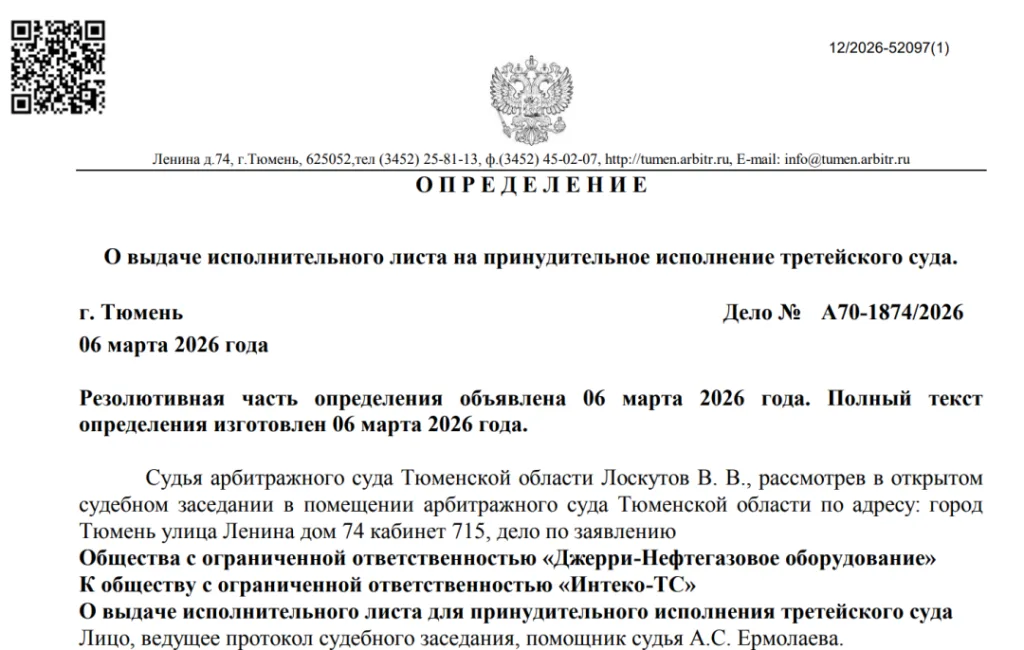
(Image Source: The Paper)
II. Practical Recommendations Across Pre-Contractual, Contracting, and Performance Stages
1. Pre-Contractual Stage: Conducting Buyer Credit Due Diligence
- Overseas Entity Verification: For new foreign buyers, exporters should request a Buyer Credit Report via China Export & Credit Insurance Corporation (Sinosure,
[www.sinosure.com](https://www.sinosure.com).cn, Hotline: 95387) to review overseas corporate registration status, credit history, and pending litigation. - Domestic Intermediary Vetting: Where Chinese trading agents, forwarders, or local representatives are involved, conduct public registry searches (via Tianyancha or Qichacha) to review corporate status and court enforcement records.
- Signatory Authorization: Inspect original Powers of Attorney (POA) and passport credentials for on-site negotiators. Exercise caution with counterparties lacking physical office addresses or operating exclusively via free webmail domains.
2. Contracting Stage: Formulating Clear & Enforceable Payment Arrangements
While Proforma Invoices (PI) are widely used to confirm orders, whether a PI constitutes a binding contract depends on its specific terms, price firming language, and execution history. For high-value or customized orders, parties should execute a formal contract covering subject matter, specifications, pricing, payment schedules, inspection, default liabilities, and dispute resolution.
- Payment Milestones: Align production and delivery strictly with received payments (e.g., production commences only upon deposit clearance; document release occurs only after final balance settlement).
- Documenting Third-Party Remittances: Require written triangular payment agreements signed by the buyer, remitter, and seller whenever payments originate from non-contractual bank accounts.
- Liquidated Damages: Specify clear default interest rates and penalty terms for late payments, tailored to local enforcement standards under the governing law.
3. Performance Stage: Synchronizing Payments, Cargo Control, and Shipping Documents
- Internal Control Triggers: Link ERP workflow stages—raw material sourcing, manufacturing, inspection, shipping booking, and original Bill of Lading (B/L) release—directly to verified bank payment receipts.
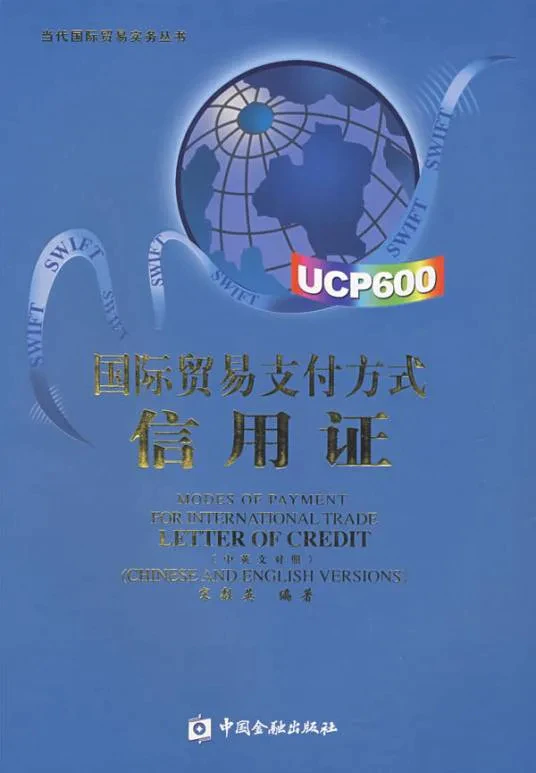
- Letter of Credit (L/C) Compliance: Examine L/C terms for soft clauses or non-documentary conditions controlled solely by the buyer (e.g., buyer-issued inspection certificates). Conduct pre-presentation document audits for high-value transactions.
- Export Credit Insurance: For open-account (O/A) or extended credit terms, leverage export credit insurance to mitigate buyer insolvency or political risks, ensuring full compliance with policy reporting and claim filing deadlines.
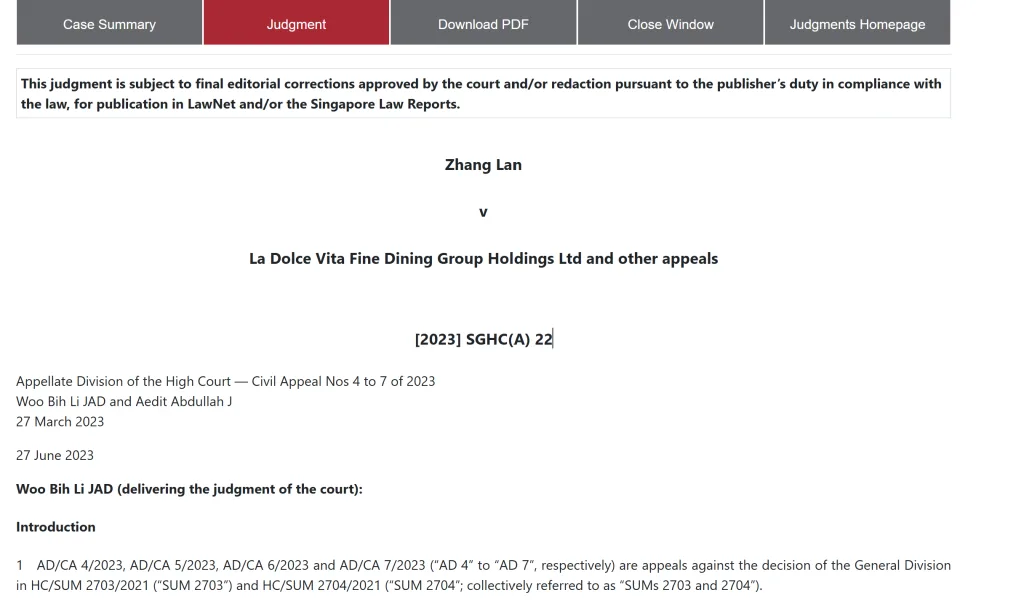
(Image Source: Baidu Baike)
III. Incident Response & Emergency Risk Mitigation Following a Dispute
When faced with payment delays, buyer default, order cancellation requests, or frozen account notifications, exporters should follow a structured three-step response protocol:
1.Fix and Preserve Primary Evidence:
Compile and organize all original contracts, Purchase Orders (PO), Proforma Invoices (PI), email threads, WhatsApp/WeChat logs, Bills of Lading (B/L), customs declarations, and bank remittance slips. Preserve complete digital chat histories on their original devices to ensure judicial admissibility.
2.Execute Cargo and Production Control Measures:
- Unshipped Orders: Immediately evaluate pausing production and halting port dispatch.
- Manufactured Goods: Assess alternative resale channels, re-routing, or modification options to minimize holding costs.
- In-Transit Cargo: Review Incoterms, B/L types (e.g., Negotiable Original B/L vs. Telex Release), and payment status to issue hold-shipment instructions to freight forwarders or carriers.
3.Initiate Legal & Asset Preservation Procedures:
If payment default is evident, initiate arbitration or court litigation pursuant to the contractual dispute clause. Where risks of asset dissipation exist, apply for pre-litigation or interim property preservation orders (财产保全) to freeze the buyer's domestic assets or accounts.
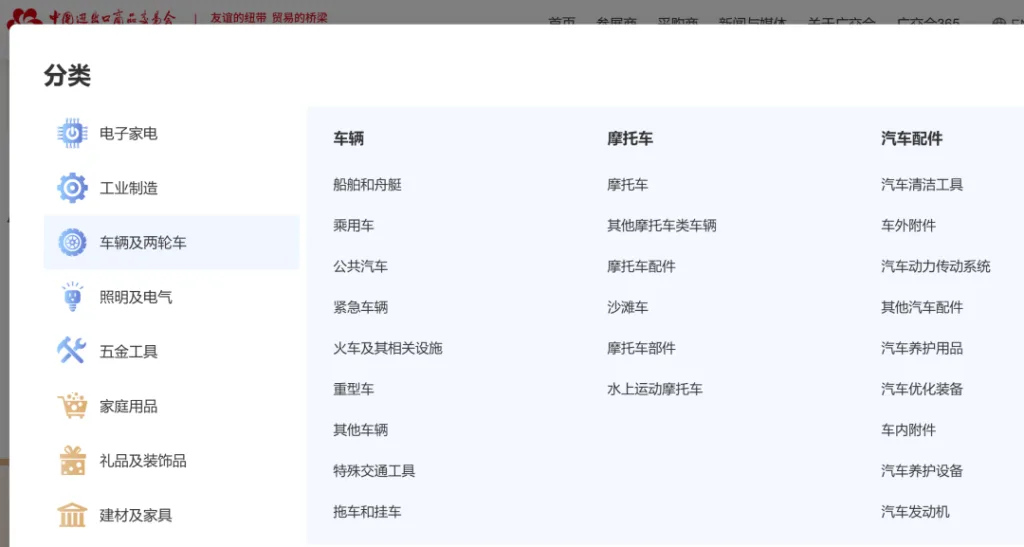
(Image Source: Official Canton Fair Website)
Conclusion
The Canton Fair offers vital trade opportunities for international buyers and Chinese exporters. Securing transaction value requires diligence beyond exhibition negotiations—encompassing buyer vetting, structured contract terms, rigorous payment control, and proactive evidence preservation to ensure sustainable international growth.
About the Author

Yu Yuting
Partner | NEO-ARK Law Firm
Lawyer Yu focuses on foreign-related litigation, cross-border disputes, commercial matters, and legal services for overseas individuals and businesses in China.
Email: [email protected]
About NEO-ARK Law Firm
NEO-ARK Law Firm provides legal services in foreign-related litigation, commercial disputes, family law, and cross-border legal matters, assisting both international and domestic clients throughout China.