Skip to content
As comprehensive strategic collaborative partners, China and Russia share deep historical ties and a robust political foundation. According to data from the General Administration of Customs of China, Russia supplied 31.86 million tons of crude oil to China in the first quarter of 2026, building upon the approximately 100.7 million tons delivered throughout 2025.
However, alongside this rapid expansion in bilateral trade volume, legal risks and commercial disputes have surged. This guide systematically evaluates the compliance screening protocols, analyzes the primary categories of commercial disputes, and outlines actionable dispute resolution and risk management strategies. For practical clarity, this analysis focuses on the procurement of Russian refined oil products as a primary case study.
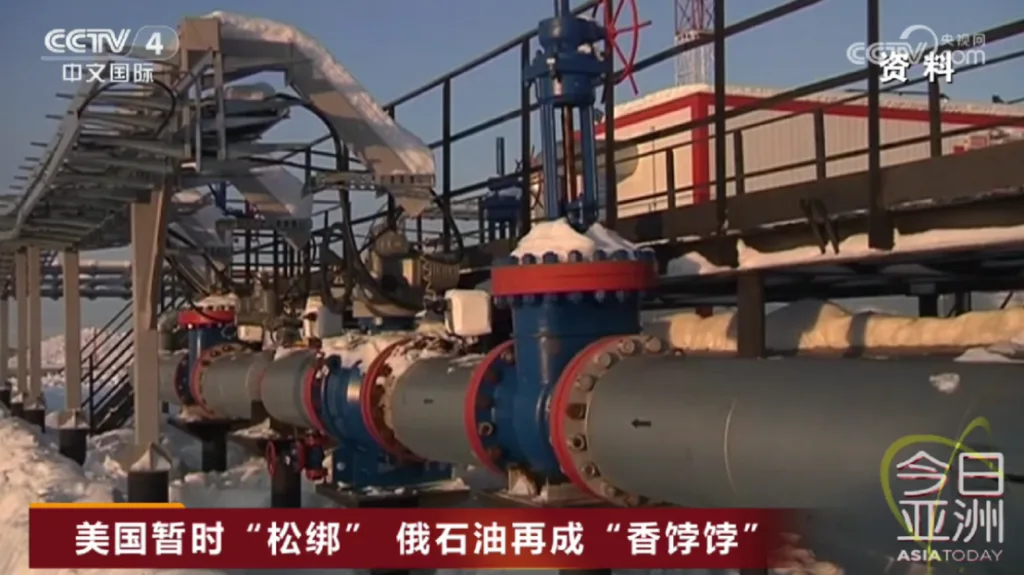
Driven by rising global oil prices caused by supply disruptions in the Strait of Hormuz, importers are demonstrating a steadily growing interest in Russian oil. Source:CCTV4)
I. Preliminary Compliance Review
1. Product Category Compliance Verification
- Regulatory Alignment: Thoroughly cross-check the target procurement categories against current restriction lists (e.g., specific seasonal bans such as gasoline export restrictions imposed between April and July).
2. Verification of Trading Entities
- The Russian Seller: Verify that the exporter holds a valid export license issued by the Ministry of Energy of the Russian Federation. Conduct rigorous background checks on corporate registration documents and tax registration certificates.
- The Chinese Buyer: Ensure the importing entity possesses the mandatory refined oil import qualifications (registered with the Ministry of Commerce) and a Hazardous Chemicals Operation License, where applicable.
- Verification Channels: Validate the authenticity and operational standing of the seller through the Economic and Commercial Office of the Chinese Embassy in Russia or the Russian Embassy in China.
3. Compliance-Oriented Contract Drafting
- Explicit Classification: Clearly specify non-gasoline categories (e.g., diesel or other refined distillates) within the contract to avoid classification ambiguities that could trigger automated regulatory blocks.
- Compliance Guarantees: Embed explicit warranty clauses wherein the seller guarantees that the products fully comply with Technical Regulations of the Customs Union (TR CU) standards and are clear of any export embargoes.
- Settlement Frameworks: Prioritize Renminbi (RMB) settlement mechanisms, which have become the mainstream financial infrastructure for China-Russia energy trade.

(On 7 April, Mikhail Mishustin chaired a meeting on the development strategy for the fuel and energy sector, Source:http://government.ru)
II. Customs Compliance Clearance and Delivery Confirmation
1. Russian Export Customs Declaration (Seller's Responsibility)
- Documentation Suite: Submit the export customs declaration, commercial contract, commercial invoice, packing list, certificate of origin, and declaration of quality conformity.
- Digital Filing: Execute declarations electronically through the official portal of the Federal Customs Service (FCS) of Russia.
- Compliance Core: Ensure that the export category does not overlap with active restriction lists and provide proofs of intergovernmental agreements if required.
2. Chinese Import Customs Declaration (Buyer's Responsibility)
- Pre-Declaration: Submit electronic customs declarations via the China International Trade Single Window platform.
- Documentary Audit: Customs authorities will cross-examine the contract, commercial invoice, bill of lading, certificate of origin, and corporate conformity declarations.
- Inspection and Testing:
- Hazardous Materials: Regulated hazardous chemicals (including gasoline and diesel) must undergo mandatory port-of-entry inspections and sampling to ensure conformity with China’s National Standards (GB Standards).
- Consumption Tax Declaration: File appropriate consumption taxes utilizing the metric unit conversion metrics mandated under Announcement No. 144 of the General Administration of Customs.
- Duty Payment & Release: Settle all applicable import tariffs, Value-Added Tax (VAT), and consumption taxes to secure official customs clearance.
3. Transportation Compliance
- Pipeline Transport: Logistics must strictly conform to the Measures of the Customs for the Supervision and Administration of Energy Products Imported via Pipeline Transportation (General Administration of Customs Decree No. 204).
- Maritime / Railway Freight: Engage logistics carriers holding verified certifications for hazardous cargo transport and ensure they provide formal transportation safety certificates.
4. Leakage Prevention Schemes
- Comprehensive emergency response plans for spill and leakage prevention must be established for all transport and storage phases, demonstrating full alignment with environmental protection standards.
5. Delivery Confirmation
- Joint Inspection: Both trading parties must execute a joint physical verification upon arrival and co-sign the official cargo delivery and receipt notes.
- Audit Trail: Retain all transactional, logistics, and customs documentation for a minimum statutory period of 5 years to satisfy potential retrospective customs audits.
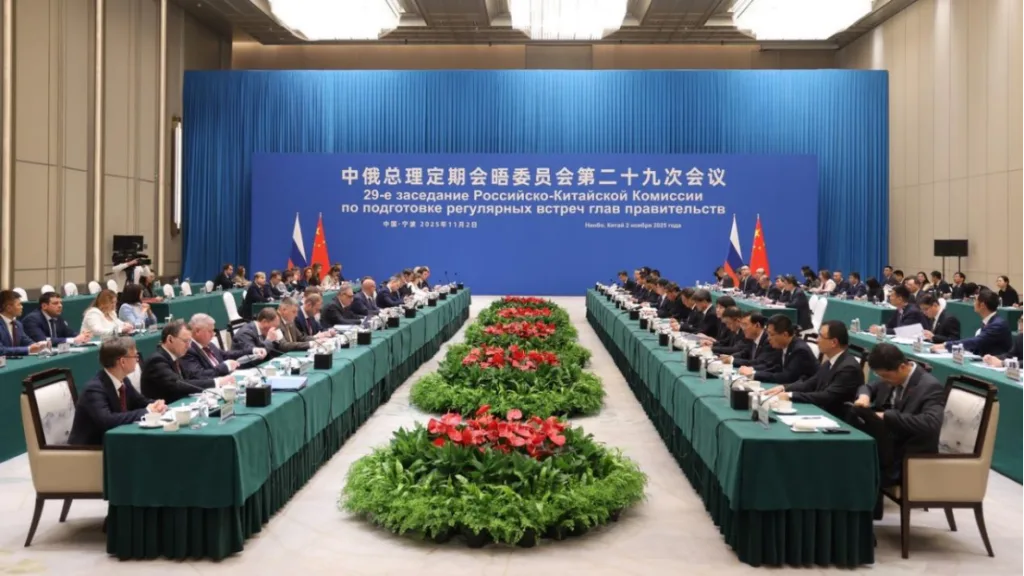
(Source: http://government.ru)
III. Major Types of Disputes in China-Russia Trade
1. Contract Performance Disputes
- Product Quality Discrepancies: Quality variances are the most frequent point of friction in bulk commodity trading. Buyers must aggressively utilize their contractual rights to sample, test, and object.Case Study Note: Hidden defects require pre-agreed testing agencies, strict chain-of-custody sampling, and clear allocations for handling costs. Importers should prioritize trusted, neutral domestic testing labs while stipulating who bears intermediate costs (demurrage, storage, transport) during dispute resolution. For example, in crude transactions, off-spec parameters in moisture, sulfur, mechanical impurities, or organic chlorides can corrode refinery infrastructure. Past precedents have seen Russian pipeline crude spike wildly in organic chlorides (reaching 30–200 ppm against a standard $\le$ 10 ppm), forcing downstream refineries to halt operations and claim massive equipment damages.
- Force Majeure Interpretations: Global trade operates under high uncertainty, and the Civil Code of the Russian Federation does not explicitly enumerate a fixed list of Force Majeure events; courts evaluate cases on an individual basis. Beyond natural disasters, contracts must explicitly detail geopolitical disruptions (e.g., pandemics, active warfare, sanctions). In oil trading, this includes pipeline shutdowns due to contamination or conflict (e.g., historic halts on the Druzhba pipeline), port blockades, export bans, asset seizures, or the disconnection of banking channels. Conversely, remember that Russian law explicitly excludes counterparty default, lack of market funds/goods, general economic crises, currency fluctuations, and common criminal activity from Force Majeure protections.
- Breach Penalties: Penalty clauses act as both a deterrent and the baseline for damages recovery. The Russian Civil Code primarily recognizes compensatory damages and liquidated damages (monetary debts can accumulate interest). For high-value, long-cycle energy contracts, explicitly define penalties for these specific breaches:
- Off-spec Delivery: Seller covers re-testing costs, purification fees, and buyer business-interruption losses.
- Delivery Delays: Seller covers port demurrage and the price differential for the buyer purchasing replacement oil on the spot market.
- Payment Delays: Buyer pays contractual default interest and offsets capital tied-up losses.
- Unauthorized Route Deviations: Any unilateral change to pipeline nodes or cargo vessels renders the breaching party liable for all resultant freight and warehousing surcharges.
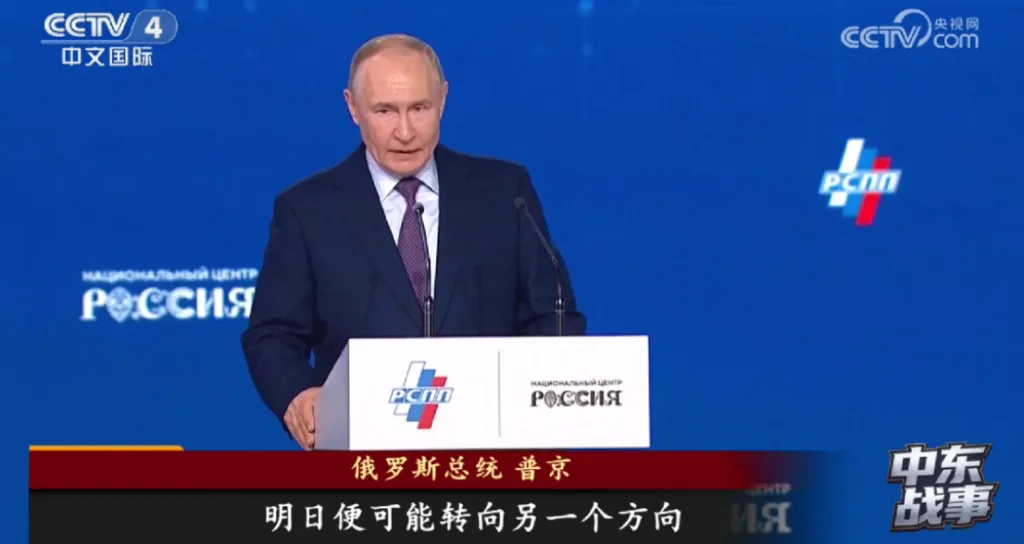
(Source:CCTV4)
2. Settlement and Foreign Exchange Controls
- Currency & Channels: Due to ongoing international sanctions, numerous Russian financial institutions are disconnected from the SWIFT network. Currently, local currency settlement for China-Russia trade exceeds 90%, with over 200 Russian banks integrated into China's Cross-Border Interbank Payment System (CIPS). Avoid trading in USD or EUR; prioritize Cross-Border RMB. Be advised that navigating compliance under sanction regimes can introduce approximately 7% in friction costs.
- Foreign Exchange Controls: Under Russian federal statutes, foreign currency transactions between Russian residents or resident enterprises are generally prohibited. Non-residents may transfer funds between offshore accounts or authorized local banks. Additionally, cross-border transport of foreign currency cash exceeding an equivalent of $10,000 USD is prohibited.
3. Intellectual Property (IP) Risks
- Customs Protection Borders: The Federal Customs Service of Russia enforces border protections for copyrights, neighboring rights, and trademarks during import/export. These protections do not extend to transit goods, personal-use effects, or items destined for diplomatic missions.
- Enforcement Actions: If suspected infringing goods are detected at the border, customs authorities will temporarily seize the shipment and notify both the cargo owner and the IP rights holder. The cargo owner may destroy the goods upon the rights holder's consent. If the customs authority cannot conclusively verify infringement or if the rights holder rescinds the application, the goods will be released, leaving the rights holder to pursue civil litigation and injunctions in court.
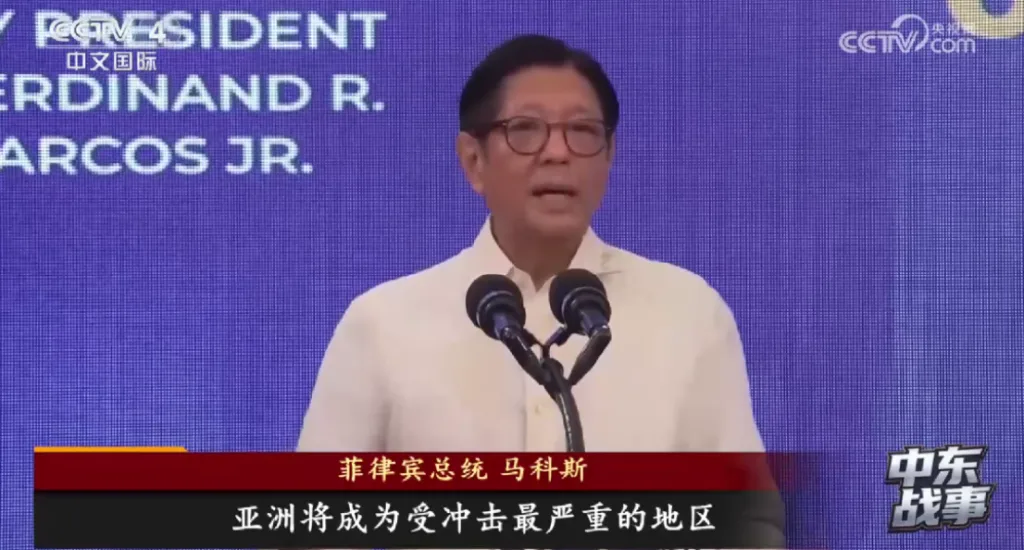
(As of 25 March, countries including the Philippines, Thailand, Indonesia and Sri Lanka have successively expressed their willingness to purchase oil from Russia and have already begun relevant negotiations with the Russian side. Philippine President Marcos, Source:CCTV4)
IV. Dispute Resolution in China-Russia Trade
1. Mediation: CCPIT & RCCI Joint Cooperation
- The China Council for the Promotion of International Trade (CCPIT) and the Russian Chamber of Commerce and Industry (RCCI) offer joint alternative dispute resolution mechanisms. Utilizing a combined panel of legal experts, trade professionals, and bilingual mediators, this path offers high flexibility, lower costs, and total confidentiality compared to traditional litigation—allowing enterprises to settle quality and performance disputes without destroying long-term commercial relationships.
2. Cross-Border Arbitration and Institutional Jurisdiction
- The China-Russia Treaty on Judicial Assistance in Civil and Commercial Matters guarantees mutual recognition and enforcement of judicial rulings. For Chinese firms, anchoring the contractual jurisdiction within trusted domestic international arbitration forums offers optimal cost control and limits cross-border legal exposure:
- CIETAC (China International Economic and Trade Arbitration Commission): As China's most historically established foreign-related arbitration body, its awards are enforceable across more than 170 nations under the New York Convention. CIETAC hosts specialized bilateral platforms tailored for China-Russia commercial disputes, which have seen rapid caseload growth and high cross-border enforcement success rates.
- Regional Arbitration Alternatives: For enterprises based in southern economic hubs, the Guangzhou Arbitration Commission (GAAC) and the Shenzhen Court of International Arbitration (SCIA) possess extensive international experience and yield awards with identical global enforceability.
- Neutral Third-Country Venues: If the transaction demands a neutral third-country setting, the Singapore International Arbitration Centre (SIAC) remains the preferred international choice for complex, high-value commodity trade disputes.
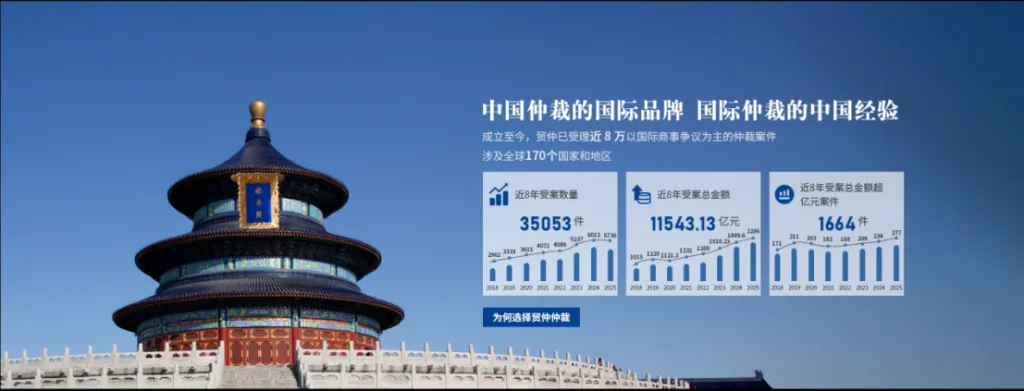
(Source:CIETAC)
V. Risk Prevention & Control
1. Fraud and Scam Prevention
Exhibitors must remain vigilant against sophisticated trade scams by adhering to safety alerts issued by official trade authorities:
- Virtual Red Flags: Be highly suspicious of communications originating from forwarding telephone numbers or unverified virtual lines.
- Banking Audits: Rigorously verify that the seller’s receiving bank account is a fully regulated, onshore Russian institution rather than an unmonitored offshore shell account.
- Secure Payment Architecture: Reject high-risk "payment before shipment" demands. Instead, utilize secure trade finance instruments like Letters of Credit (L/Cs).
2. Sanctions Compliance
- Due Diligence Screening: Conduct rigorous Know-Your-Customer (KYC) screening against UN, EU, and other relevant international sanctions databases to ensure no transaction touchpoints involve blocked entities or designated individuals.
- Currency De-risking: Exclusively employ national currency settlement channels (RMB/Ruble) to circumvent clearing risks tied to Western financial systems.
Conclusion
As China-Russia trade scales new heights, the precise structure of contract clauses serves as an enterprise's primary shield. Clear, exhaustive terms covering quality inspections, Force Majeure boundaries, breach remedies, and clearing currencies are vital to insulating your business from structural shocks. Should an issue arise, leverage specialized bilateral mediation and international arbitration frameworks. Stay agile amid fast-shifting trade controls, build robust internal compliance architectures, and secure timely counsel from international legal experts to confidently capture global opportunities.
Appendix 1: Search Tools & Resources
- Russian Government Portal: For the latest federal decrees, export bans, and trade policies. (http://government.ru)
- Eurasian Economic Commission (EEC): Official portal for checking TRCU technical regulations and compliance conformity standards. (https://eec.eaeunion.org)
- General Administration of Customs of China (GACC): For access to import declaration templates, tariff classification systems, and filing guides. (http://www.customs.gov.cn)
- Economic and Commercial Office of the Chinese Embassy in Russia: For bilateral trade risk advisories, market access notices, and compliance counseling. (https://ru.mofcom.gov.cn)
| Document Name | Issuing Authority | Compliance Requirement | Official Framework |
| Sale and Purchase Agreement (SPA) | Contracting Parties | Must align with regulatory limits; must explicitly state product quantity, grade, pricing mechanisms, and delivery terms. | Ministry of Energy Export Regulations |
| Certificate of Origin | Russian Chamber of Commerce and Industry (RCCI) | Requires formal notarization; functions as the critical document to claim preferential tariff treatments. | EAEU Customs Union General Rules |
| Declaration of Quality Conformity | Russian Producer/Refinery | Must certify compliance with TR CU 013/2011 standards and include detailed chemical batch analyses. | EAEU Technical Regulations |
| Safety Data Sheet (SDS/MSDS) | Russian Producer | Must be provided in a localized English/Chinese translation conforming precisely to standard national formats. | GACC Announcement No. 144 / Manzhouli Customs Guidelines |
| Export License | Ministry of Energy of the Russian Federation | Mandatory for all regulated energy products and refined distillates clearing Russian borders. | Russian Federation Export Control Law |
| Third-Party Inspection Report | EAEU Accredited Testing Agency | Independent laboratory verification confirming product parameters meet target market standards. | TR CU 041 Certification Requirements |
Disclaimer & Copyright: This article is co-authored by Mandy Wu and Yu Yuting. The insights shared are for general compliance trends only and do not constitute formal legal advice.As a specialized cross-border legal institution, Neo-Ark Law Firm provides comprehensive global compliance and rights-protection support for expanding enterprises. For more international legal updates, please visit the Neo-Ark Law Firm Official Websites (https://www.neoarklawyers.com/news).