News

News

Inclusion ▪ Respect ▪ Professionalism ▪ Excellence

On June 5, 2026, the General Office of the State Council issued the Guiding Opinions on Strengthening Supervision, Preventing Risks, and Promoting High-Quality Development of Private Equity Investment Funds (State Council Letter [2026] No. 54, hereinafter referred to as "Decree 54").

As the top-level charter governing China's "1+N+X" private equity regulatory framework, Decree 54 marks the end of wild expansion and ushers in an era of stringent, high-quality institutional compliance.

Core Structural Shifts at a Glance:

  • Market Entry Control: Prequalification screening by provincial regulators is now a mandatory prerequisite prior to corporate registration.
  • Mandatory Custody: Mandatory fund custody rules expand significantly, systematically eliminating "self-custody" loopholes.
  • Valuation Adjustment Mechanism (VAM) Governance: Introduces the first-ever top-level regulatory restriction on VAM and Earn-out agreements, cracking down on disguised debt and rigid redemptions.
  • State Capital Scrutiny: Strictly bans county-level governments from establishing redundant new government funds, prohibiting state-owned enterprises (SOEs) from off-spectrum cross-industry investments.

(source:CCTV 13)

I. Regulatory Restructuring: Rebalancing Administrative Enforcement and Self-Regulation

Decree 54 establishes a dual-tier governance system that explicitly segregates administrative enforcement from industry self-regulation:

  • Legacy Model: Heavy reliance on Asset Management Association of China (AMAC) self-regulation, resulting in limited deterrence over unregistered entities.
  • Decree 54 Model: China Securities Regulatory Commission (CSRC) and its regional offices act as administrative gatekeepers for entry checks, investigations, and penalties, supported by AMAC for frontline daily monitoring, filings, and self-disciplinary reviews.

By placing administrative oversight at the forefront, compliance obligations transition from mere industry association rules to binding statutory duties. Continued compliance is now the absolute legal precondition for fund managers to operate in mainland China.

Attorney's Compliance Note:

Existing fund managers should establish a dual-line compliance protocol connecting both the CSRC and AMAC. Shift internal compliance priorities from formality-based initial filing reviews to full-lifecycle ongoing operational control. Fund managers should proactively build audit-response mechanisms for sudden regulatory inquiries and on-site inspections.

(Official release and regulatory bulletin on private equity oversight guidelines issued by the China Securities Regulatory Commission. Source: CSRC)

II. Gatekeeping at Market Entry: Mandatory Joint Prequalification Screening

Under Section II of Decree 54, any entity seeking to register as a private equity fund manager—or planning to include private equity or venture capital terminology in its corporate name or business scope—must complete a joint prequalification screening by the provincial financial regulatory authority and local CSRC office before applying for market regulation registration.

Registration Procedure Framework:

  1. Apply for Joint Prequalification Screening through the Provincial Authority and Local CSRC.
  2. Upon prequalification approval, proceed to Market Regulation Corporate Registration.
  3. Complete official AMAC Fund Manager Registration.
Entity TypeCorporate Name / Scope FeatureTrigger Prequalification?Required Registration Path
Licensed PE/VC ManagerContains "Private Equity", "VCF", etc.Yes (Mandatory)Prequalification Screening -> Corporate Registration -> AMAC Filing
Standard Investment FirmGeneral "Investment Management", "Asset Management"NoStandard Market Regulation Corporate Registration

Attorney's Compliance Note:

Prospective fund managers must factor in an additional 1 to 3 months for prequalification screening. Applications require complete transparency regarding ultimate beneficial owners (UBOs), actual controllers, capital contribution capabilities, and risk control systems.

III. Custody System Upgrade: Full-Coverage Mandatory Custody Execution

Decree 54 mandates the creation of unified, mandatory fund custody regulations across all PE structures. The regulatory threshold for custody exemptions has shrunk considerably:

  • Contractual Securities Funds: Mandatory custody applies across all structures.
  • Partnership & Corporate Securities Funds (Issued post-Aug 2024): Mandatory custody required without exception.
  • PE & VC Funds: Mandatory custody applies to all contractual structures, Special Purpose Vehicle (SPV) investments, and fund expansion products.

Attorney's Compliance Note:

Audit all active non-custodial funds within your portfolio immediately. Distinguish between legally exempted products and non-compliant structures requiring remediation. For newly established funds, embed qualified custodian institutions during the initial structural design phase to establish unambiguous cash-sweep and oversight covenants.

IV. Refining Equity Investments: Dual Regulation of VAM Agreements

For the first time, a State Council policy explicitly mandates the creation of specialized regulatory rules governing Valuation Adjustment Mechanisms (VAM / Earn-out agreements).

Going forward, VAM terms in PE/VC deals will be governed by two independent, parallel legal frameworks:

  1. Civil & Judicial Review: Governed by Supreme People's Court judicial guidelines evaluating corporate law feasibility and capital maintenance principles.
  2. Administrative Regulation (Decree 54): Strictly prohibiting VAMs structured to guarantee returns ("rigid redemption"), disguise debt as equity, or bypass leverage limits.

Attorney's Compliance Note:

Review all existing portfolio VAM provisions and classify them into strategic remediation categories:

  • Maintain: Commercial performance adjustments and legitimate shareholder-level compensation arrangements that comply with capital maintenance.
  • Amend or Excise: Unenforceable target-company buybacks, guaranteed return provisions, and rigid repurchase clauses that risk being recharacterized as illegal debt disguised as equity.

(CSRC Chairman Wu Qing delivering an opening address at the 4th Member Representative Congress of the Asset Management Association of China. Source: CSRC)

V. Tightening State-Owned and Government Fund Participation

Decree 54 imposes strict parameters on state-backed capital commitments:

  1. Government Investment Funds: County and district-level governments are principally prohibited from launching new government investment funds. Exceptions require approval from higher-level municipal or provincial governments. Functional overlaps across funds are eliminated, and disguised debt raising or guaranteed returns are strictly illegal.
  2. State-Owned Enterprise (SOE) Capital: SOE fund investments must align tightly with the enterprise's core operational mandate. SOEs are barred from cross-industry non-core investments, pure conduit operations, and non-compliant real estate funding.

Attorney's Compliance Note:

Shift fundraising priorities toward established provincial and municipal guidance funds. When partnering with SOE capital, conduct formal core business alignment reviews beforehand to ensure all transaction documents are stripped of guaranteed return terms.

VI. Closed-Loop Risk Cleanup & Digital Supervision

Decree 54 institutes a centralized digital monitoring platform that aggregates data across corporate registries, fund filings, bank custody, and judicial records to enable full-scope look-through enforcement:

  • Fund Manager Phase-Out: Entities involved in major illegalities will have their registrations revoked directly. Dormant ("shell"), abnormal, or untraceable managers will face strict time-bound rectification or cancellation.
  • Commercial Entity Phase-Out: Entities holding private equity designations in their business scope without actual operational capacity will have their business licenses revoked by market regulation authorities.

Conclusion & Strategic Action Plan

With the release of Decree 54, detailed departmental rules addressing information disclosure, fundraising, custody, VAM terms, and state capital will be rolled out rapidly. Compliance is no longer an operational cost—it is the foundational license to operate. Fund managers and institutional investors should immediately initiate comprehensive internal compliance audits to navigate this regulatory transition safely.

(Official data presentation from the State Council press conference detailing the implementation metrics and timeline for Decree No. 54. Source: CSRC Press Briefing)

Disclaimer & Copyright: This article is co-authored by Mandy Wu and Yu Yuting. The insights shared are for general compliance trends only and do not constitute formal legal advice.As a specialized cross-border legal institution, Neo-Ark Law Firm provides comprehensive global compliance and rights-protection support for expanding enterprises. For more international legal updates, please visit the Neo-Ark Law Firm Official Websites (https://www.neoarklawyers.com/news).

Overview

A foreign-related inheritance dispute arose after the death of an individual who left no will or testamentary arrangement.

The deceased had three daughters as first-order statutory heirs. One daughter initiated inheritance proceedings, claiming a one-third share of the assets.

Representing the other two heirs, Yu Yuting of NEO-ARK Law Firm challenged the scope of the claimed estate, arguing that certain amounts included by the claimant were not inheritance assets but instead involved compensation payments, funeral expenses, or funds held by third parties.

The court ultimately confirmed the actual estate subject to inheritance division and adopted the legal position that non-estate assets and disputed third-party funds should not be included in the inheritance distribution.

Case Snapshot

ItemDetails
Practice AreaForeign-Related Inheritance Law
Case TypeEstate Distribution Dispute
ClientTwo Legal Heirs
JurisdictionChina
Core IssueDefinition of Estate Assets
Key IssueWhether Compensation Payments and Third-Party Held Funds Form Part of the Estate
Lead LawyerYu Yuting / Li Wanjun
Law FirmNEO-ARK Law Firm

Client's Situation

The dispute developed as follows:

1. Death Without a Will

The deceased passed away without leaving a will or inheritance agreement.

Under Chinese statutory inheritance rules, the deceased's three daughters were first-order legal heirs.


2. Inheritance Claim

One daughter filed a lawsuit requesting division of the deceased's assets and claimed a one-third inheritance share.


3. Dispute Over Estate Scope

The defendants, represented by NEO-ARK Law Firm, disagreed with the claimed estate amount.

They argued that certain claimed assets included:

  • Death-related compensation payments;
  • Funeral expenses;
  • Funds withdrawn or held by a third party;
  • Assets involving separate ownership disputes.

4. Legal Representation

The legal team focused on identifying which assets legally qualified as inheritance property and which should be excluded from estate distribution.


Legal Strategy

StrategyPurpose
Investigate the deceased's financial assetsIdentify the actual estate available for inheritance
Distinguish estate and non-estate assetsPrevent improper inclusion of compensation payments and other funds
Challenge third-party held fundsClarify that separate ownership disputes should not be decided within inheritance proceedings
Present legal analysis before the courtProtect the legitimate inheritance interests of the clients

Key Legal Issues

1. Are Compensation Payments and Funeral Expenses Part of the Estate?

The legal team argued that certain payments issued after death were not the deceased's personal property.

Death-related compensation and funeral expenses are generally intended to provide financial support and assistance to close relatives rather than constitute assets owned by the deceased at the time of death.

Therefore, such payments should not automatically be included in inheritance distribution.


2. Should Third-Party Held Funds Be Divided in an Inheritance Case?

Certain funds had been withdrawn or held by a third party after the deceased's death.

The legal team argued that these funds involved separate ownership issues and should not be directly handled through inheritance proceedings without independent determination of ownership.

Outcome

After reviewing the evidence and legal arguments, the court determined that:

  • Bank deposits of approximately RMB 2.3 million and AUD 1,000 constituted inheritance assets;
  • The three daughters were each entitled to one-third of the confirmed estate;
  • The claimant's other requests were dismissed.

The court accepted the legal position presented by NEO-ARK Law Firm regarding the distinction between inheritance assets and non-estate property.


Why This Case Matters

Inheritance disputes often involve more than simply dividing assets.

The most important question is usually:

What assets legally belong to the estate?

This case demonstrates that accurate classification of assets is essential in inheritance proceedings.

Compensation payments, funeral-related funds, and assets controlled by third parties may have different legal characteristics from ordinary personal property and should not automatically be included in inheritance distribution.

For overseas Chinese families and individuals with assets in China, professional legal analysis is particularly important where inheritance involves multiple jurisdictions, family members, or unclear asset ownership.


Frequently Asked Questions

Are all assets received after someone's death considered inheritance?

No.

Only assets legally owned by the deceased at the time of death generally form part of the estate. Certain compensation payments or benefits may have different legal purposes and may not be inheritance property.


Are funeral expenses and death compensation divided among heirs?

Not necessarily.

Their legal nature must be examined separately. Some payments are intended for specific purposes or specific beneficiaries rather than estate distribution.


Can disputed funds held by another person be handled in an inheritance lawsuit?

It depends on the nature and ownership of the funds.

Where ownership itself is disputed, the court may require separate legal proceedings rather than deciding the issue directly within inheritance distribution.


Key Takeaways

  • The first step in an inheritance dispute is identifying the true estate.
  • Not all post-death payments are inheritance assets.
  • Third-party held funds may require separate ownership analysis.
  • Proper asset investigation can significantly affect inheritance outcomes.
  • Professional legal advice is essential in complex or foreign-related inheritance matters.

About the Author

Yu Yuting
Partner | NEO-ARK Law Firm

Lawyer Yu focuses on foreign-related litigation, cross-border disputes, commercial matters, and legal services for overseas individuals and businesses in China.

Email: [email protected]

About NEO-ARK Law Firm

NEO-ARK Law Firm provides legal services in foreign-related litigation, commercial disputes, family law, and cross-border legal matters, assisting both international and domestic clients throughout China.

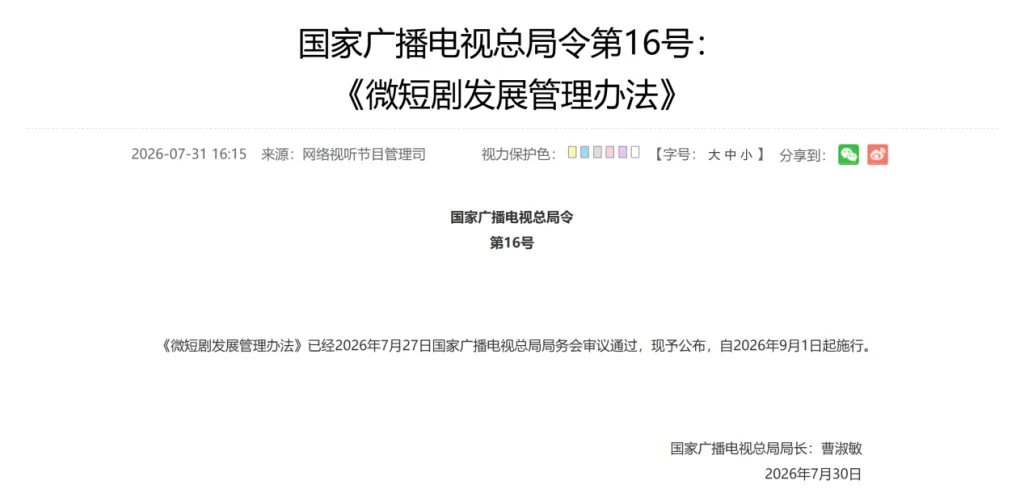
On June 1, 2026, the State Council officially promulgated the Regulations on Outbound Investment (State Council Decree No. 837, hereinafter referred to as the "Regulations"), which will take effect on July 1, 2026.

(A view of the State Council administrative updates. Source: Beijing Web TV)

As the first systematic administrative regulation enacted by the State Council in the field of outbound direct investment (ODI), this landmark regulation consolidates previously scattered departmental rules from the National Development and Reform Commission (NDRC), the Ministry of Commerce (MOFCOM), and other authorities. It establishes a comprehensive framework covering outbound investment services, administration, and protection, marking a milestone in the development of China’s outbound investment regime.

Previously, outbound investments were governed by NDRC's "Decree No. 11" and various foreign exchange regulations under the State Administration of Foreign Exchange (SAFE). How does this new framework differ? This article analyzes the core shifts, compliance priorities, and practical impact on cross-border business based on the official text and practical experience.

(The official release portal of the Central People's Government of the People's Republic of China. Source: gov.cn)

I. Regulatory Shifts: 6 Key Upgrades Under the New Framework

1. Individual Investors Officially Regulated

Individual investors who hold overseas assets through Special Purpose Vehicles (SPVs) or nominee holding structures (trust arrangements) are now officially brought under unified regulatory supervision.

Attorney’s Note: While detailed implementation guidelines are pending, individuals holding overseas assets should closely monitor regulatory updates and evaluate whether their existing offshore holding structures require compliance adjustments.

2. Dual Oversight Expands to Quadruple Supervision

The old approval process primarily focused on NDRC and MOFCOM filings. The new framework introduces a comprehensive four-pronged oversight mechanism:

  1. Macro-Advisory Filings & Approvals (NDRC & MOFCOM)
  2. Cross-Border Capital Checks (Foreign Exchange/SAFE & Commercial Banks)
  3. National Security Reviews (Multilateral security screening on strategic assets)
  4. Information Reporting & Joint Disclosures (Post-investment compliance monitoring)

Attorney’s Note: The National Security Review is an independent screening procedure. It does not rely on, nor is it bypassed by, standard NDRC or MOFCOM filings. Involved entities and individuals are legally obligated to cooperate and must not block or reject official inquiries.

3. Clear Boundaries for Export Control and Data Compliance

For the first time, outbound investment regulations explicitly mandate export control compliance.

Attorney’s Note: Enterprises deploying staff abroad, sharing proprietary technology, or engaging in transnational training must conduct dual-compliance reviews under the Export Control Law and the Regulations on Export Control of Dual-Use Items. While the "Sensitive Industry Directory" awaits updates, emerging sectors like AI infrastructure, quantum computing, 6G communications, biometrics, and strategic minerals are heavily scrutinized in practice. Projects in these areas require comprehensive risk assessments regardless of transaction size.

4. Strict Penalties for Unapproved Outbound Investments

The regulatory cost of non-compliance has escalated dramatically.

Practical Example: For an outbound investment of RMB 100 million, failure to complete timely filing procedures can lead to a confiscation of illegal gains and administrative fines ranging from RMB 100,000 to RMB 500,000. For severe violations, the fine ceiling reaches RMB 1 million, accompanied by a ban on processing new applications or participating in outbound investments for 1 to 3 years.

5. Personal Accountability: The Dual-Punishment System

Corporate violations now carry personal consequences. Regulatory penalties will target both the corporate entity and the responsible decision-makers.

Attorney’s Note: Signing directors, Chief Financial Officers (CFOs), and General Counsels can face direct personal administrative liability if an enterprise violates these regulations. Executives must proactively verify outbound compliance before authorizing transactions.

6. Crackdown on Fraudulent Filings and Illegal Activities

The Regulations strictly prohibit using fraudulent documentation to obtain approvals, or using outbound investments to facilitate illegal capital flight, tax evasion, or money laundering.

Attorney’s Note: If an outbound project is found to be a sham structured to move domestic capital offshore, the ODI Certificate will be revoked, exposing the parties to civil, tax, and criminal liabilities. The cross-departmental coordination between this regulation, anti-money laundering (AML) frameworks, and the Common Reporting Standard (CRS) should be carefully monitored.

(Outbound investment and trade developments driving global industrial growth and bilateral partnerships. Source: Xinhua News Agency)

II. High-Risk Areas and Most Affected Business Categories

1. High-Priority Corporate Categories
  • Existing Outbound Enterprises: Companies with existing offshore entities, active overseas operations, or foreign equity investments.
  • Prospective Outbound Enterprises: Businesses planning offshore acquisitions, capital increases, or establishing new foreign entities in the second half of 2026.
  • Sensitive Sector Enterprises: Entities operating in high-risk jurisdictions, cross-border finance, advanced technology, or strategic natural resources.
2. High-Risk Business Activities
  • Retroactive Filings ("Invest First, File Later"): Formerly a common workaround, this practice is now prohibited and subject to immediate administrative penalties.
  • Non-Core Large-Scale Investments: Transnational financial investments or cross-industry acquisitions unrelated to the company's core business will face strict scrutiny.
  • Incomplete Portfolios for Existing Projects: Active overseas projects with missing corporate records, outdated financials, or incomplete risk reporting.
  • Investments in Sensitive Regions/Industries: Proposed projects in high-risk jurisdictions or restricted sectors will experience lower approval rates and prolonged review cycles.
3. Common Compliance Pitfalls
  • Individual Offshore Holdings: Founders holding overseas assets through offshore SPVs or proxy structures risk triggering compliance audits.
  • High-Tech Enterprises: Cross-border research centers, technology licensing, and global data transfers are subject to overlapping export control and data security reviews.
  • Unreported Tier-2 Reinvestments: Making down-stream investments via existing offshore subsidiaries without completing corresponding filing procedures can lead to retroactive penalties.
  • Cross-Border Litigation Data Risks: Transferring internal corporate data or documents abroad for foreign litigation or arbitration without verifying data residency can violate domestic confidentiality laws.

III. The Essential Outbound Compliance Checklist

1. Action Items for Enterprises
  1. Structure Audit: Map out all existing offshore investment structures (including indirect holdings through SPVs or VIE structures) to ensure all projects are fully registered and approved.
  2. Export & Data Audit: Review international business operations for controlled technologies or sensitive data transfers, and evaluate compliance with current export control regulations.
  3. Directory Tracking: Monitor upcoming releases of the "Encouraged, Restricted, and Prohibited Outbound Investment Directory" by the NDRC and MOFCOM to evaluate project feasibility.
  4. Internal Controls: Upgrade corporate governance policies, establish clear authorization limits for outbound investments, and define liability lines to safeguard executives.
2. Action Items for Individual Investors
  1. Asset Structuring: Assess current personal holdings of foreign equity, real estate, and financial portfolios to evaluate whether supplementary disclosures or structural modifications are necessary.
  2. Offshore SPV Reviews: Closely track the forthcoming implementation details concerning individual ownership of overseas assets through SPVs.
  3. Immigration and Real Estate Planning: Re-align cross-border wealth management, immigration setups, and global property acquisitions with the new compliance standards.

IV. Crucial Provisions for Outbound Enterprises

  • Applicability to Hong Kong, Macao, and Taiwan: Investments in Hong Kong, Macao, and Taiwan are managed with reference to these Regulations. This explicitly includes structures established for Hong Kong IPOs or holding platforms set up in Hong Kong.
  • Indirect Outbound Investment Cover: The Regulations cover "indirectly acquiring ownership or control of enterprises or assets in other countries or regions." Investments routed through multi-layered overseas subsidiaries remain subject to domestic regulation.
  • Financing and Guarantees Classified as ODI: Providing financial assistance or guarantees to offshore entities is officially categorized as outbound investment. Issuing shareholder loans or corporate guarantees to overseas affiliates without proper regulatory filings constitutes a compliance violation.
  • Diplomatic and Consular Protection: Article 20 outlines the consular protection responsibilities of overseas diplomatic missions, and Article 23 establishes a mechanism to counter foreign investment barriers, offering compliant enterprises a reliable legal shield abroad.

Conclusion

A robust rule-of-law framework is the foundation of a healthy business environment. High-standard administrative regulations impose strict compliance duties, but they also provide a safer, more predictable landscape for outbound businesses. If you are advancing an overseas investment or planning global expansion, we recommend using the pre-implementation transition window to audit your processes, mitigate compliance risks, and secure long-term operational stability.

Disclaimer & Copyright: This article is co-authored by Mandy Wu and Yu Yuting. The insights shared are for general compliance trends only and do not constitute formal legal advice.As a specialized cross-border legal institution, Neo-Ark Law Firm provides comprehensive global compliance and rights-protection support for expanding enterprises. For more international legal updates, please visit the Neo-Ark Law Firm Official Websites (https://www.neoarklawyers.com/news).

Overview

This case arose from the international transportation of commercial lighting products from China to Amazon Fulfilment by Amazon (FBA) warehouses in the United States.

During the COVID-19 pandemic, Amazon warehouses no longer issued traditional signed or stamped Proof of Delivery (POD) documents. Relying on the absence of a signed POD, the customer refused to pay the outstanding freight charges and filed a counterclaim alleging that the goods had never been delivered.

Representing the carrier, Yu Yuting, Attorney at NEO-ARK Law Firm, reconstructed the overseas delivery process using electronic logistics records, overseas delivery documents, and official Amazon communications. The court accepted the evidence, confirmed that the carrier had fully performed its contractual obligations, and upheld the client's claim in full.

Case Snapshot

ItemDetails
Practice AreaInternational Trade & Logistics Disputes
Case TypeMultimodal Transport Contract Dispute
Cross-Border ElementChina – United States
ClientInternational Freight Carrier
DestinationAmazon Fulfilment by Amazon (FBA) Warehouses, United States
Core Legal IssueRecovery of Freight Charges Without a Signed Proof of Delivery (POD)
Lead LawyerYu Yuting / Li Qikang
Law FirmNEO-ARK Law Firm

Client's Situation

The dispute developed through the following stages.

1. Cross-Border Transportation

The client arranged multimodal transportation of commercial lighting products from China to multiple Amazon FBA warehouses in the United States.


2. Operational Changes During the Pandemic

During the COVID-19 pandemic, Amazon adjusted its warehouse receiving procedures and no longer provided traditional signed or stamped POD documents for many deliveries.


3. Payment Dispute

The customer argued that, without a signed POD, the carrier could not prove delivery and therefore refused to pay the outstanding freight charges.

The customer also filed a counterclaim seeking compensation.


4. Legal Representation

The client instructed NEO-ARK Law Firm to recover the unpaid freight charges and defend against the counterclaim.


Legal Strategy

StrategyPurpose
Reconstruct the delivery processDemonstrate that the goods reached the designated Amazon FBA warehouses
Collect overseas delivery evidenceReplace the missing signed POD with a complete evidence chain
Verify Amazon's operational practicesExplain why signed PODs were unavailable during the pandemic
Defend against the counterclaimRefute allegations of non-delivery and contractual breach


Outcome

The court found that the carrier had successfully completed delivery despite the absence of a traditional signed POD.

Based on the evidence presented, the court:

  • Ordered payment of all outstanding freight charges;
  • Awarded interest calculated at four times the applicable Loan Prime Rate (LPR);
  • Rejected the customer's counterclaim in full;
  • Ordered the customer to bear the preservation costs and all litigation expenses.

Why This Case Matters

Cross-border logistics between China and the United States increasingly depends on digital records rather than traditional paper documentation.

This case demonstrates that the absence of a signed Proof of Delivery (POD) does not automatically prevent a carrier from proving successful delivery. When electronic logistics records, overseas delivery documents, platform communications, and tracking information form a complete and reliable evidence chain, they may be sufficient to establish contractual performance before a Chinese court.

For freight forwarders, logistics companies, exporters, and cross-border e-commerce businesses, preserving digital evidence is now just as important as transporting the goods themselves.


Frequently Asked Questions

Is a signed POD always required to recover freight charges?

No.

A signed POD is important evidence, but it is not the only way to prove delivery. Courts may accept other reliable evidence that establishes the goods reached the agreed destination.


Does Amazon FBA always provide a signed POD?

Not necessarily.

During the COVID-19 pandemic, many Amazon FBA warehouses relied on electronic receiving procedures rather than issuing traditional signed or stamped delivery receipts.


Can electronic logistics records be used as evidence?

Yes.

Electronic PODs, logistics tracking records, shipping documents, emails, and platform communications may all be used to establish successful delivery when considered together.


Key Takeaways

  • A missing signed POD does not automatically prevent recovery of freight charges.
  • Electronic logistics records can be strong evidence of contractual performance.
  • A complete evidence chain is often more persuasive than a single document.
  • Early legal advice helps reduce risks in international logistics disputes.

About the Author

Yu Yuting
Partner | NEO-ARK Law Firm

Lawyer Yu focuses on foreign-related litigation, cross-border disputes, commercial matters, and legal services for overseas individuals and businesses in China.

Email: [email protected]

About NEO-ARK Law Firm

NEO-ARK Law Firm provides legal services in foreign-related litigation, commercial disputes, family law, and cross-border legal matters, assisting both international and domestic clients throughout China.

Overview

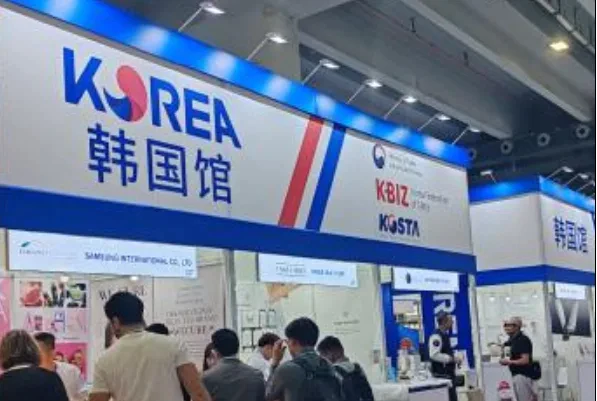
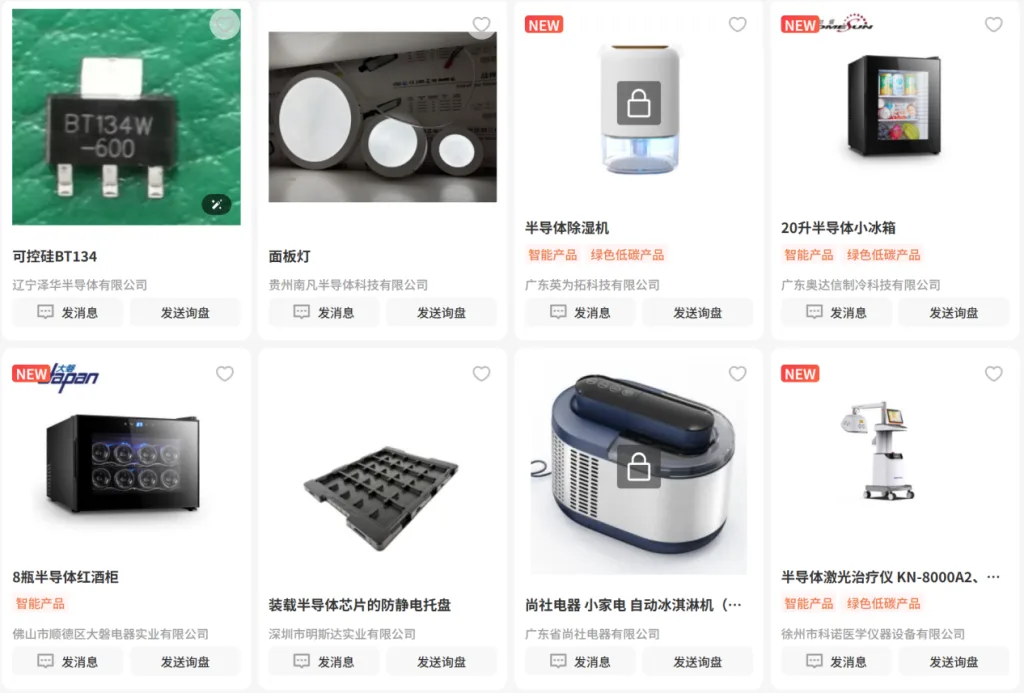
A South Korean company established a wholly owned subsidiary in Xi'an, China, to operate in the semiconductor industry.

Although the subsidiary appeared to satisfy the substantive requirements for China's preferential tax policies applicable to qualifying semiconductor enterprises, it failed to complete the required annual filing procedures and was not included on the official list of eligible enterprises for the following tax year.

The company engaged Yu Yuting, Attorney at NEO-ARK Law Firm, to assess the legal consequences of the missed filing, evaluate possible remedial measures under Chinese law, and develop a cross-border tax strategy designed to minimise the group's overall global tax burden.

Case Snapshot

ItemDetails
Practice AreaCross-Border Tax Advisory
Case TypeTax Incentive Compliance
Cross-Border ElementSouth Korea – China
ClientSouth Korean Company
IndustrySemiconductor (Integrated Circuit)
Core Legal IssueLoss of Tax Incentives Due to Missed Compliance Filing
Lead LawyerYu Yuting / Li Chengwan
Law FirmNEO-ARK Law Firm

Client's Situation

The matter developed through the following stages.

1. Investment in China

The client established a wholly owned subsidiary in Xi'an, China, to conduct business in the semiconductor industry.


2. Qualification for Preferential Tax Policies

Based on the applicable national policies, the subsidiary appeared to meet the substantive requirements for preferential tax treatment available to qualifying enterprises.


3. Missed Annual Compliance Filing

The company did not complete the required annual filing procedures or apply for inclusion on the official list of eligible enterprises within the prescribed deadline.


4. Loss of Preferential Tax Treatment

As a result, the subsidiary was unable to enjoy the relevant tax incentives for the following tax year.


5. Cross-Border Tax Advisory

The client sought legal advice on available administrative options in China and on cross-border tax planning aimed at reducing its worldwide tax exposure.


Legal Strategy

StrategyPurpose
Review China's tax incentive policiesAssess whether the company met the substantive eligibility requirements
Analyse compliance obligationsIdentify the legal impact of the missed filing
Review applicable international tax treatiesEvaluate available cross-border tax planning opportunities
Coordinate with overseas tax advisersDevelop an integrated global tax strategy
Assess available administrative remediesDetermine practical options under Chinese law


Outcome

Following the legal review, the client obtained a comprehensive assessment of its legal position and the available options under Chinese law.

The advisory work provided practical guidance on potential administrative remedies, cross-border tax treaty considerations, and coordinated international tax planning, enabling the client to evaluate the most commercially appropriate strategy for reducing its overall global tax burden.


Why This Case Matters

Many foreign-invested enterprises assume that qualifying for China's tax incentives is sufficient to secure preferential tax treatment.

In practice, continued eligibility often depends on ongoing compliance with administrative filing requirements and government procedures.

This case demonstrates that tax compliance involves more than meeting the substantive legal criteria. For multinational businesses operating in China, timely legal review and coordinated international tax planning can play an important role in preserving tax benefits and managing global tax exposure.


Frequently Asked Questions

Can South Korean companies qualify for China's tax incentives?

Yes.

Foreign-invested enterprises, including South Korean companies, may qualify for various preferential tax policies in China if they satisfy the relevant legal and regulatory requirements.


What happens if a company misses a required tax incentive filing?

The consequences depend on the applicable regulations and administrative practice. In some situations, supplementary procedures or other remedial measures may be available, but prompt legal and tax advice is essential.


Why should multinational companies consider international tax treaties?

Cross-border tax treaties and foreign tax credit mechanisms may affect the group's overall tax position. Coordinating Chinese tax compliance with international tax planning can help reduce worldwide tax exposure.


Key Takeaways

  • Tax incentives require both substantive eligibility and procedural compliance.
  • Missing an administrative filing deadline may affect access to preferential tax treatment.
  • Cross-border tax planning should combine Chinese law with international tax considerations.
  • Early legal advice may help identify available options and reduce global tax risk.

About the Author

Yu Yuting
Partner | NEO-ARK Law Firm

Lawyer Yu focuses on foreign-related litigation, cross-border disputes, commercial matters, and legal services for overseas individuals and businesses in China.

Email: [email protected]

About NEO-ARK Law Firm

NEO-ARK Law Firm provides legal services in foreign-related litigation, commercial disputes, family law, and cross-border legal matters, assisting both international and domestic clients throughout China.
On June 13, 2026, the Guangdong Digital Jurisprudence Society successfully completed its leadership transition and election process.

Leveraging her deep professional expertise in data compliance and digital law alongside her exceptional clinical legal practice, Attorney Yu Yuting of our firm has been officially reappointed as a Council Director to the 3rd Council of the Guangdong Digital Jurisprudence Society.

I. Embracing the Digital Era: Advancing Frontier Compliance

As the global digital economy continues to expand, frontier legal issues such as data security, cross-border data flows, and artificial intelligence regulations are becoming increasingly critical.

The Guangdong Digital Jurisprudence Society serves as the province's premier platform for theoretical digital law research and practical innovation, bringing together top-tier academic experts, scholars, and leading legal practitioners from across China.

II. Translating Digital Legal Theory into Business Solutions

Since her initial appointment as Council Director, Attorney Yu Yuting has consistently worked at the intersection of digital legal research and practical client services.

During her tenure, she has remained at the forefront of digital transformation:

  • Actively participating in high-level academic symposiums.
  • Conducting in-depth research on corporate digital governance.
  • Pioneering practical legal strategies for cross-border data compliance and the financial assetization of intellectual property.
  • Devoting her practice to translating academic theories into practical, risk-mitigating compliance solutions for enterprise clients.

III. Looking to the Future of Digital Law

This reappointment represents both a prestigious professional recognition and a renewed commitment to the field.

Attorney Yu Yuting stated that she will continue to bridge the gap between academic theory and practical legal application. Leveraging NEO-ARK Law Firm's integrated platform, she plans to focus on the localization and system innovation of digital law, contributing her expertise to the growth of the Society and the advancement of digital rule-of-law initiatives in Guangdong.

Disclaimer & Copyright: This article is co-authored by Mandy Wu and Yu Yuting. The insights shared are for general compliance trends only and do not constitute formal legal advice.As a specialized cross-border legal institution, Neo-Ark Law Firm provides comprehensive global compliance and rights-protection support for expanding enterprises. For more international legal updates, please visit the Neo-Ark Law Firm Official Websites (https://www.neoarklawyers.com/news).

Scroll to Top

+86 13503030053

BackToTop

Inquiry Inquiry Email Email Tel Tel

Request A Quote

×
Please enable JavaScript in your browser to complete this form.